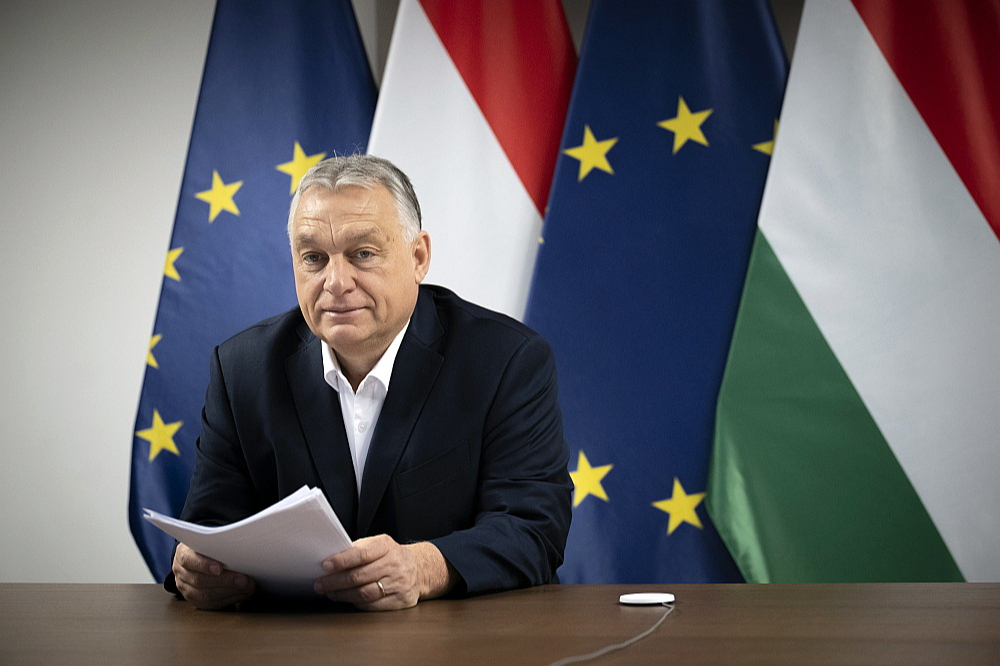
Orbán Calls for Lifting of Sanctions on Russian Energy Amid Rising Fuel Costs and Approaching Elections
Budapest – Hungarian Prime Minister Viktor Orbán has called for the European Union to lift sanctions on Russia’s energy sector, a move coinciding with a surge in fuel prices and just weeks before parliamentary elections. The call came as Orbán convened an emergency cabinet meeting to address the rising cost of gasoline and diesel, a politically sensitive issue as he seeks to maintain power after 16 years in office. The situation is further complicated by disruptions to Russian oil supplies via the Druzhba pipeline, adding to economic pressures within Hungary and neighboring countries.
The push to reconsider sanctions comes as global oil prices have climbed, reaching levels not seen since 2022. According to reports on Monday, oil prices surpassed $119 per barrel, fueled in part by geopolitical tensions in the Middle East and concerns over disruptions to oil supplies. Orbán argued on social media platform X that the “blockade of Ukrainian oil and the war in the Middle East are causing price increases,” and that “Europe must face reality: we must review and lift all sanctions against the Russian energy sector.” This stance reflects a growing concern within Hungary about energy security and affordability, particularly as the country navigates a challenging economic landscape.
Disrupted Oil Supplies and Regional Tensions
Hungary is facing additional challenges due to the disruption of Russian oil deliveries through the Druzhba pipeline, which has been halted since late January after being damaged in what Russia claims was an attack. This outage has created political friction between Kyiv, Hungary and Slovakia, as both countries rely on the pipeline for a significant portion of their oil imports. The interruption underscores Hungary’s vulnerability to external energy shocks and its dependence on Russian energy resources, despite broader EU efforts to reduce reliance on Moscow following the invasion of Ukraine.
The situation is particularly sensitive given Hungary’s historically close ties with Russia and Orbán’s often-criticized reluctance to fully align with EU policies on Moscow. Orbán has repeatedly advocated for maintaining dialogue with Russia and has resisted calls for tougher sanctions, arguing that they harm Hungarian interests. This position has drawn criticism from within the EU and from Ukraine, which views Hungary’s stance as undermining the collective effort to pressure Russia to end its aggression.
Orbán’s Domestic Political Calculus
The timing of Orbán’s call for lifting sanctions is undoubtedly linked to the upcoming parliamentary elections, scheduled for April 2026. Rising fuel prices are a significant concern for Hungarian voters, and the government is under pressure to address the issue. By framing the situation as a consequence of EU policies and advocating for a change in course, Orbán aims to position himself as a defender of Hungarian interests and a pragmatic leader willing to challenge the status quo. The move is a clear attempt to rally support among voters concerned about the cost of living and energy security.
Recent polling data suggests a tight race, with Orbán’s Fidesz party facing a strong challenge from a united opposition coalition. The economic situation, including inflation and energy prices, is a key battleground in the campaign. Orbán’s government has implemented price caps on fuel and other essential goods, but these measures are proving costly and unsustainable in the long term. Lifting sanctions on Russian energy could potentially alleviate some of the pressure on prices, but it would also likely face strong opposition from within the EU.
Broader EU Response and Geopolitical Implications
Orbán’s call for lifting sanctions is likely to be met with resistance from many EU member states, particularly those that have taken a strong stance against Russia’s aggression in Ukraine. Countries like Poland, the Baltic states, and others have consistently advocated for maintaining and strengthening sanctions as a means of pressuring Moscow. The EU has imposed a series of sanctions on Russia since the invasion of Ukraine in February 2022, targeting various sectors of the Russian economy, including energy, finance, and technology.
Kaja Kallas, the European Union’s High Representative for Foreign Affairs, expressed regret over Hungary’s veto of new sanctions against Russia on February 23, 2026, as reported by Delfi.lv. This highlights the ongoing divisions within the EU over how to respond to the conflict in Ukraine and the role of sanctions. The debate over sanctions reflects a broader disagreement about the long-term strategy for dealing with Russia, with some member states prioritizing geopolitical considerations and others focusing on economic interests.
recent statements by Orbán have raised eyebrows within the international community. In December 2025, he unexpectedly stated that Ukraine’s collapse would be a “catastrophe,” a sentiment that contrasted with his previous criticisms of Kyiv. More recently, in an interview published on March 8, 2026, Orbán declared that “Russia has won this war,” a statement that drew immediate condemnation from Ukrainian officials and sparked debate among Western analysts. This assertion, reported by 1188.lv, underscores Orbán’s increasingly pro-Russian stance and his willingness to challenge the prevailing narrative about the conflict.
US Engagement and Regional Dynamics
The situation is further complicated by increased US engagement in the region. In February 2026, US State Secretary Marco Rubio visited Budapest and expressed support for Prime Minister Orbán, a move that signaled a potential shift in US policy towards Hungary. This visit occurred amidst growing concerns about the erosion of democratic norms in Hungary and the country’s increasingly authoritarian tendencies. The US administration has been walking a tightrope, seeking to balance its commitment to democratic values with its strategic interests in maintaining stability in Central Europe.
Orbán has also taken steps to bolster Hungary’s security, ordering the deployment of the army to protect critical energy infrastructure, as reported on February 25, 2026. This move reflects a heightened sense of vulnerability and a concern about potential sabotage or attacks on Hungary’s energy assets. The deployment is also seen as a signal to the EU and NATO that Hungary is taking its security seriously and is prepared to defend its interests.
Looking Ahead
The coming weeks will be crucial as the EU grapples with Orbán’s call for lifting sanctions and the broader implications for its energy policy and its response to the conflict in Ukraine. The outcome of the Hungarian parliamentary elections will also play a significant role, as a victory for Orbán would likely embolden him to continue pursuing his pro-Russian agenda. The situation highlights the challenges facing the EU in maintaining unity and coherence in the face of complex geopolitical challenges.
The next key event to watch will be the planned summit between US President Donald Trump and Russian President Vladimir Putin, scheduled for later in March 2026. Orbán’s recent statements suggest he anticipates a shift in US policy towards Russia following the summit, and he may be hoping to leverage this to push for a relaxation of sanctions. Still, the outcome of the summit remains uncertain, and We see unclear whether it will lead to any significant changes in the geopolitical landscape.
As Hungary prepares for elections and navigates a complex energy crisis, the debate over sanctions on Russia will continue to dominate the political agenda. The situation underscores the interconnectedness of energy security, domestic politics, and international relations, and it highlights the challenges facing Europe in a rapidly changing world.
Key Takeaways:
- Hungarian Prime Minister Viktor Orbán is advocating for the EU to lift sanctions on Russian energy.
- Rising fuel prices and upcoming elections are key factors driving Orbán’s call.
- Disruptions to Russian oil supplies via the Druzhba pipeline are exacerbating Hungary’s energy challenges.
- Orbán’s stance is facing opposition from within the EU and from Ukraine.
- The situation is further complicated by increased US engagement in the region and a planned summit between Trump and Putin.
What are your thoughts on the EU’s energy policy and its response to the conflict in Ukraine? Share your comments below and join the discussion.
Related reading
- The Crisis of the International Criminal Court: US Attacks, Netanyahu, and the Global Order
- UK Officially Recognizes Truth Behind Mohamed Al-Fayed Case: Full Details
- iPhone 18 Pro: Why Prices Are Set to Surge (archynewsy.com)
- Virginia Tech Study Reveals New Patterns in Storm Surge Behavior (newsdirectory3.com)