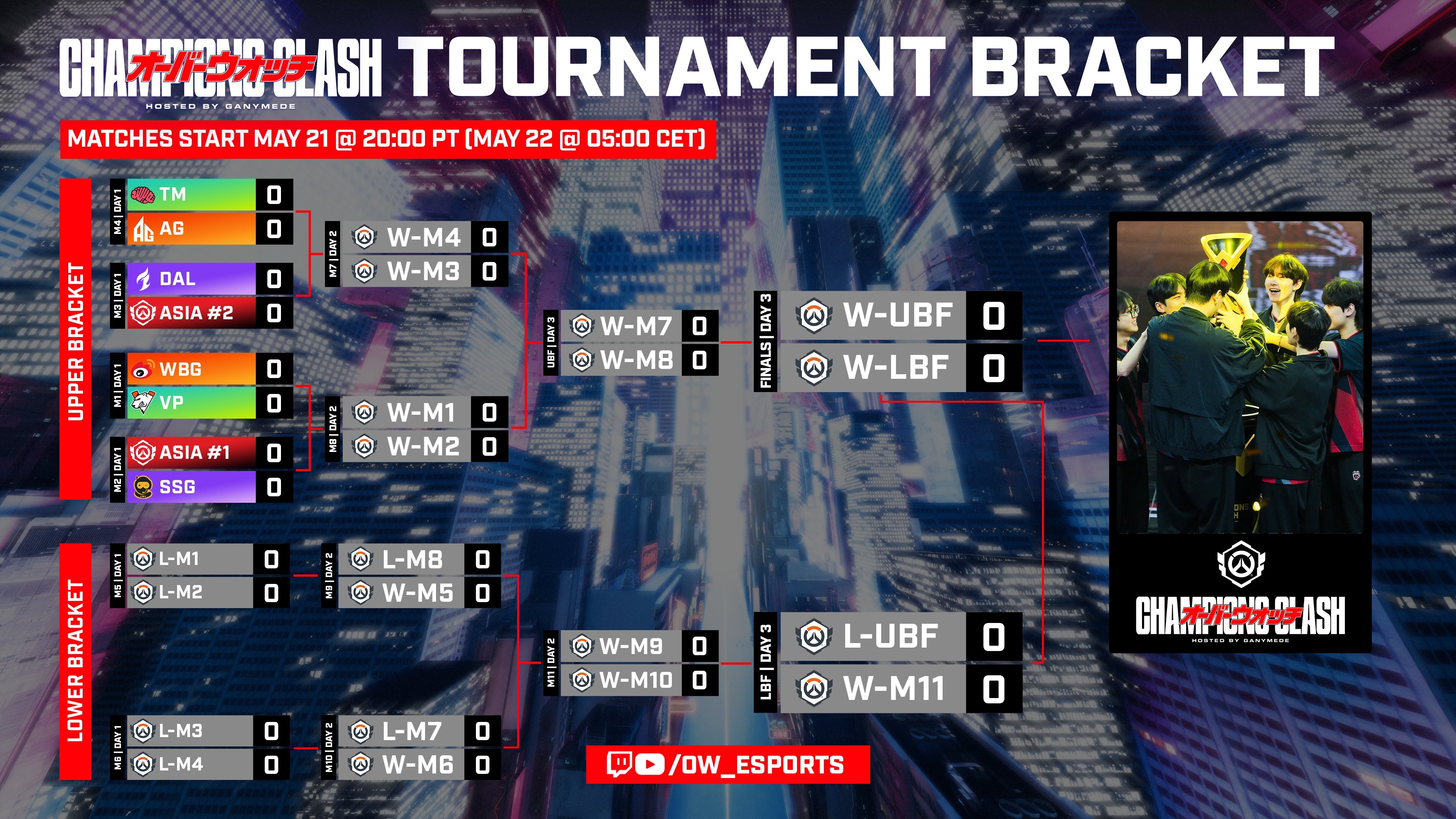
The global competitive circuit for Overwatch 2 is preparing for one of its most anticipated events of the year. The OWCS Champions Clash is set to bring together the elite tier of regional talent for a high-stakes international showdown, marking a critical juncture in the current season’s quest for dominance.
Scheduled to take place in Tachikawa, Tokyo, between May 22 and 24, the tournament serves as a premier showcase of the world’s best teams. With a rigid structure designed to test both consistency and adaptability, the event will determine which region currently holds the crown in the evolving Overwatch 2 meta.
The competition will feature a total of eight teams, meticulously selected from the four major regions of the Overwatch Champions Series (OWCS): North America, EMEA, Asia, and China. This regional representation ensures a diverse clash of playstyles, from the aggressive strategies often seen in the Asian circuits to the tactical compositions prevalent in the West.
Understanding the OWCS Champions Clash Seeding Process
Seeding is a pivotal element of any professional esports tournament, as it determines the initial matchups and the path a team must take to reach the Grand Finals. For the upcoming Champions Clash, the seeding process is designed to balance regional representation with competitive merit.
The tournament structure mandates that two teams qualify from each of the four primary OWCS regions. This equal distribution ensures that no single region dominates the bracket by sheer volume of entries, forcing the top contenders to prove their worth against international opponents early in the event.
The opening round of matches has already been seeded. Although the specific regional leaders for each seed are not yet fully confirmed, the framework is in place to ensure that the highest-ranked teams from opposing regions are strategically placed to avoid premature eliminations of the top favorites. This method maintains the competitive integrity of the tournament, ensuring the finals feature the most deserving teams.
Tournament Format and Competitive Structure
To ensure the most skilled team emerges victorious, the OWCS Champions Clash will utilize a double-elimination format. This system is widely regarded in the esports community as the fairest way to determine a champion, as it allows a team that suffers a single early defeat to fight their way back through the lower bracket.
In a double-elimination bracket, teams are not eliminated after one loss. Instead, they drop to the “Lower Bracket,” where they must win consecutive matches to return to the Grand Finals. This creates high-drama narratives and “Cinderella stories,” where a team might stumble in the opening round only to go on a tear through the lower bracket to challenge for the title.
The format provides a comprehensive test of a team’s depth and mental fortitude. Because Overwatch 2 is a game of momentum and strategic pivots, the double-elimination structure allows teams to adjust their strategies based on the opponents they face in both the upper and lower brackets.
Regional Stakes and Global Impact
The presence of eight teams from four distinct regions—North America, EMEA, Asia, and China—creates a geopolitical dynamic within the game. Historically, the rivalry between the Korean-led Asian teams and the North American powerhouses has been a focal point of Overwatch esports. However, the rise of the Chinese region and the consistent growth of EMEA teams have turned this into a true global struggle.
For the teams involved, the Champions Clash is more than just a trophy; it is a statement of regional superiority. Winning in Tokyo would signal that a team’s specific regional approach to the current game balance is the most effective on a global scale.
What to Expect in Tachikawa, Tokyo
The choice of Tachikawa, Tokyo, as the host city underscores the global nature of the OWCS. Japan has a deep-rooted passion for competitive gaming, and the local atmosphere is expected to provide an electric backdrop for the three days of competition.
Fans and analysts will be watching closely to see how the teams handle the pressure of a live, offline environment. The transition from online qualifiers to a physical stage often reveals which players possess the “big game” temperament. With the event spanning May 22 to 24, the schedule is condensed, meaning teams must maintain peak performance without the luxury of long recovery periods between matches.
Key Factors for Success
- Meta Adaptability: The ability to switch compositions rapidly between maps to counter regional opponents.
- Mental Resilience: Navigating the pressure of the double-elimination bracket, especially for teams fighting through the lower bracket.
- Regional Scouting: How well teams have analyzed the playstyles of opponents from different continents prior to arriving in Tokyo.
Looking Ahead: The Road to the Finals
As the tournament date approaches, the focus will shift from seeding and qualification to active preparation. The next major checkpoint for fans and competitors will be the final confirmation of the team rosters and the official release of the full match schedule leading up to the May 22 start date.
The OWCS Champions Clash represents the pinnacle of the current competitive cycle, and the results in Tokyo will likely influence team recruitment and strategic shifts across all four regions for the remainder of the season.
We want to hear from you: Which region do you believe will dominate the Champions Clash in Tokyo? Share your predictions in the comments below and follow World Today Journal for live updates as the tournament begins.