
Tensions in the Persian Gulf have escalated sharply following a strategic move by the United States to restrict Iranian oil exports. On April 29, 2026, the U.S. Central Command (CENTCOM) announced the implementation of a naval blockade that has significantly hindered the Iranian regime’s ability to monetize its energy reserves, sparking a volatile exchange of threats between Washington and Tehran.
The U.S. Naval blockade of Iranian oil has created a critical bottleneck for Tehran’s economy. According to an official announcement from U.S. Central Command, the operation has successfully trapped 41 tankers carrying an estimated 69 million barrels of oil, preventing the Iranian government from selling these assets on the global market. U.S. Officials emphasized that the blockade is highly effective
and that American forces remain committed to its total enforcement.
The strategic pressure has prompted an aggressive response from Iranian leadership and military officials. Tehran has characterized the blockade as a violation of international law and a threat to regional stability, while simultaneously hinting at the deployment of undisclosed weaponry to deter further U.S. Advances in the region.
Tehran’s Military Response and the ‘Hidden Weapon’
In the wake of the CENTCOM announcement, a senior Iranian military official issued a stern warning to the United States and its allies. The official claimed that Iran possesses a weapon that its adversaries are deeply afraid of
, asserting that this capability is positioned right next to them
. This vague but pointed reference to a proximal threat is intended to signal that the U.S. Presence in the Gulf is not without significant risk.
The Iranian military further warned that any attempt by U.S. Forces to move closer to Iranian territorial waters or critical infrastructure would result in immediate consequences. The official asserted that should adversaries move any closer, we will take operational action without delay
. This rhetoric underscores the high risk of miscalculation in the Strait of Hormuz, one of the world’s most vital oil transit chokepoints.
Supreme Leader and Presidency Condemn ‘Unilateral’ Action
The political leadership in Tehran has aligned its rhetoric with the military’s aggression, focusing on the legality of the waterway and the sovereignty of coastal nations. On April 30, 2026, Supreme Leader Mojtaba Khamenei released a statement asserting that Iran would dismantle the hostile enemy’s abuses of this waterway
, specifically referring to the Strait of Hormuz.
“The legal rules and the exercise of the new management of the Strait of Hormuz will bring about comfort and progress to the benefit of all nations in the region, and its economic blessing will gladden the nation’s heart.” Mojtaba Khamenei, Supreme Leader of Iran
Echoing these sentiments, President Masoud Pezeshkian described the U.S. Blockade as unacceptable and contrary to international laws
. Pezeshkian argued that the security of the Persian Gulf cannot be dictated by the desires of a single foreign power, stating that the region is not an arena for imposing unilateral foreign wills
.
The Iranian President further emphasized that the security of the Gulf is only sustainable through collective cooperation and mutual respect for the sovereignty of its coastal countries
. By framing the blockade as an act of aggression, Tehran is attempting to rally regional partners and international bodies against the U.S. Strategy of economic isolation.
The Strategic Importance of the Strait of Hormuz
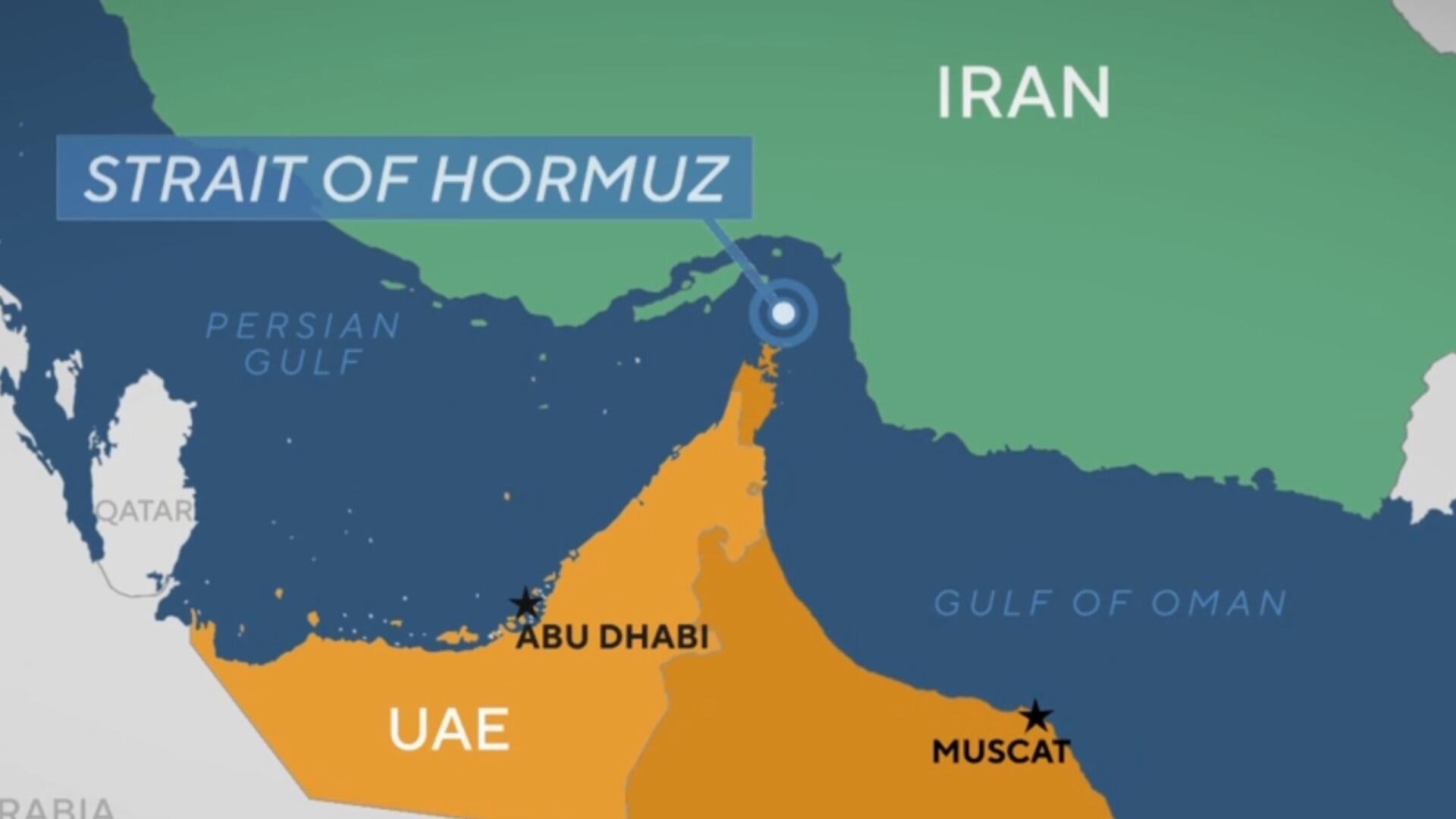
The conflict centers on the Strait of Hormuz, a narrow waterway that connects the Persian Gulf with the Gulf of Oman and the Arabian Sea. As a significant portion of the world’s total oil consumption passes through this strait, any disruption—whether via a blockade or Iranian retaliation—has immediate implications for global energy prices and supply chain stability.
The U.S. Strategy appears designed to starve the Iranian regime of the revenue needed to fund its regional proxies and nuclear program. Whereas, the risk remains that Tehran may attempt to close the Strait entirely or target commercial shipping to force a U.S. Withdrawal, a scenario that would trigger a global economic shock.
Key Takeaways of the April 2026 Escalation
- Economic Impact: 41 tankers containing 69 million barrels of oil are currently unable to be sold due to the U.S. Blockade.
- Military Threats: Iran has warned of a specific, undisclosed weapon located in close proximity to U.S. Forces.
- Diplomatic Stance: President Masoud Pezeshkian has labeled the blockade a violation of international law.
- Strategic Goal: The U.S. Aims for total enforcement of the blockade to limit the Iranian regime’s financial capabilities.
- Iranian Objective: Supreme Leader Mojtaba Khamenei intends to “dismantle” U.S. Influence over the Strait of Hormuz.
As of May 1, 2026, the situation remains fluid. International observers are monitoring for any signs of “operational action” from the Iranian military or further escalations in naval deployments by the U.S. Central Command. The next critical checkpoint will be the official response from the UN Security Council regarding the legality of the blockade and any subsequent diplomatic overtures from the region’s coastal states.
We invite our readers to share their perspectives on the geopolitical implications of this blockade in the comments below.
- Surprise pour les fans de Marvel : un troisième volet de “Black Panther” annoncé lors de la …
- Trump Is Pushing Nuclear Energy, Including Saudi Deal. His Family and Supporters Could Benefit.
- Vivek Ramaswamy’s Potential Ohio Governorship Sparks Resident Concerns (news-usa.today)
- Lionel Messi Sparks Retirement Speculation After World Cup Final Loss (archyworldys.com)