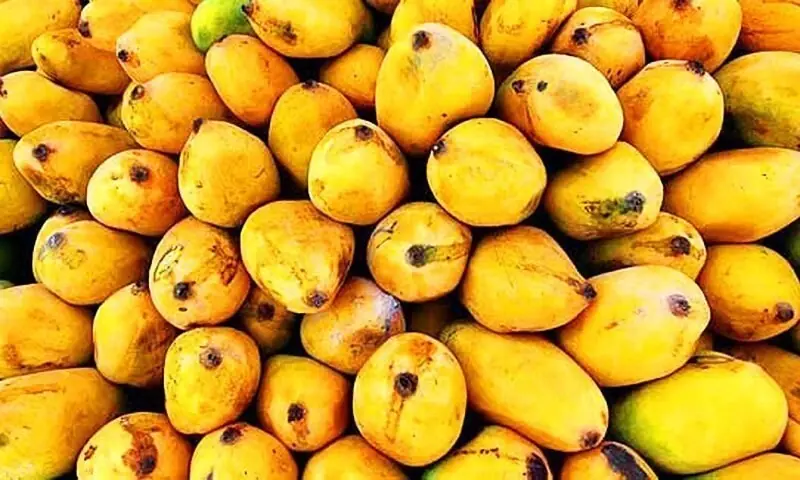
Pakistan Delays Mango Export Start Date to June 1st, Prioritizing Quality and Market Access
Islamabad – Pakistan’s Ministry of Commerce has officially extended the start date for mango exports to June 1st, 2026, a move prompted by concerns over fruit maturity and the need to maintain a competitive edge in international markets. The decision, announced on May 1st, 2026, follows consultations with stakeholders and aims to ensure that exported mangoes meet stringent quality standards, particularly for European consumers. This delay represents a shift from initial considerations of a May 10th start and a previous year’s commencement date of May 25th.
The extension is intended to address the impact of recent climatic shifts on the ripening cycle of key mango varieties, such as Sindhri, a popular export choice. According to a statement released by the Ministry, the altered ripening patterns necessitate a later export window to guarantee physiological maturity and optimal quality before the fruit reaches global markets. Maintaining consistent product quality is seen as crucial for fostering customer loyalty and preventing the loss of market share to competitors, particularly India. The Pakistan Horticulture Development and Export Company (PHDEC) has been tasked with collaborating with leading exporters to ensure adherence to regulatory and phytosanitary standards.
Weather Conditions and Grower Concerns Drive the Decision
Growers, especially those in the Sindh province – a major mango-producing region – had voiced concerns that premature exports could jeopardize the reputation of Pakistani mangoes. They warned that unfavorable weather conditions could affect both the taste and overall quality of the fruit if harvested too early. A senior commerce ministry official explained that the extended winter and subsequent climatic changes have demonstrably altered the ripening process, making the adjustment to the export schedule essential. These climatic shifts have been a growing concern for the agricultural sector in Pakistan.

The potential for exporting immature fruit was identified as a significant risk. Dumping underdeveloped produce onto the international market could erode consumer confidence and ultimately lead to a decline in demand for Pakistani mangoes. The Ministry emphasized the importance of protecting Pakistan’s reputation for high-quality mangoes, a key factor in maintaining its position in the global fruit trade. This concern aligns with broader efforts to enhance the value of Pakistani agricultural exports.
Focus on Cold Chain Management and Value Addition
To further safeguard the quality of exported mangoes, the Ministry of Commerce is advising exporters to utilize reefer containers – refrigerated containers – and maintain a robust cold chain throughout the entire shipping process. This includes both sea and air freight, ensuring that the fruit arrives in European markets in optimal condition. Effective cold chain management is critical for preserving the freshness and extending the shelf life of perishable goods like mangoes.
Beyond maintaining quality, the Ministry is too encouraging exporters to focus on value addition. This could involve processing mangoes into juices, pulps, or other products, thereby increasing their market value and diversifying export offerings. Boosting value addition is a key component of Pakistan’s broader strategy to enhance its export earnings and move up the value chain in the agricultural sector. The PHDEC, established under the Ministry of Commerce, plays a vital role in facilitating these initiatives.
The Role of the Pakistan Horticulture Development and Export Company (PHDEC)
The Pakistan Horticulture Development and Export Company (PHDEC) is a department within the Ministry of Commerce, created to unlock the potential of Pakistan’s horticulture products in the global market. Established in recognition of the need for a dedicated institution to oversee the development of the entire horticulture value chain, the PHDEC is mandated with improving marketing infrastructure, establishing agro-processing zones, and developing cold chain systems. According to its official mandate, the PHDEC also focuses on promoting value-added products.
The PHDEC’s role in this latest development is to function closely with exporters to ensure they meet the necessary regulatory and phytosanitary standards for exporting to key markets, including Europe. This includes providing guidance on best practices for harvesting, handling, and packaging mangoes, as well as facilitating access to modern storage and transportation facilities. The company also explores public-private partnership opportunities to further develop the horticulture sector.
Pakistan’s Mango Export Market: A Key Economic Driver
Mangoes are a significant export commodity for Pakistan, contributing substantially to the country’s agricultural earnings. In 2019, Pakistan targeted both the Philippines and China to increase kinnow and mango exports to those countries. As reported by Dawn in 2019, these efforts aimed to diversify export markets and boost overall export volumes. The success of these efforts, and the continued growth of the mango export market, are vital for supporting the livelihoods of farmers and contributing to Pakistan’s economic development.

The European Union represents a key market for Pakistani mangoes, but access to this market requires strict adherence to quality and safety standards. The Ministry of Commerce’s decision to delay the export start date reflects a commitment to meeting these standards and maintaining access to this lucrative market. The focus on cold chain management and value addition is also aligned with the demands of European consumers, who increasingly prioritize quality and sustainability.
Looking Ahead: Continued Focus on Quality and Market Diversification
The extension of the mango export start date underscores the Pakistani government’s commitment to prioritizing quality and market access in the agricultural sector. By working closely with exporters and investing in infrastructure improvements, the Ministry of Commerce and the PHDEC aim to ensure that Pakistani mangoes continue to be a competitive and sought-after product in the global market. The next key step will be monitoring the ripening process closely and ensuring that exporters are fully prepared to meet the June 1st export deadline.
Stakeholders will be closely watching the impact of this decision on export volumes and market share. Further updates on the mango export season will be provided by the Ministry of Commerce and the PHDEC as the harvest progresses. Readers are encouraged to share their thoughts and experiences regarding Pakistan’s mango exports in the comments section below.
Worth a look