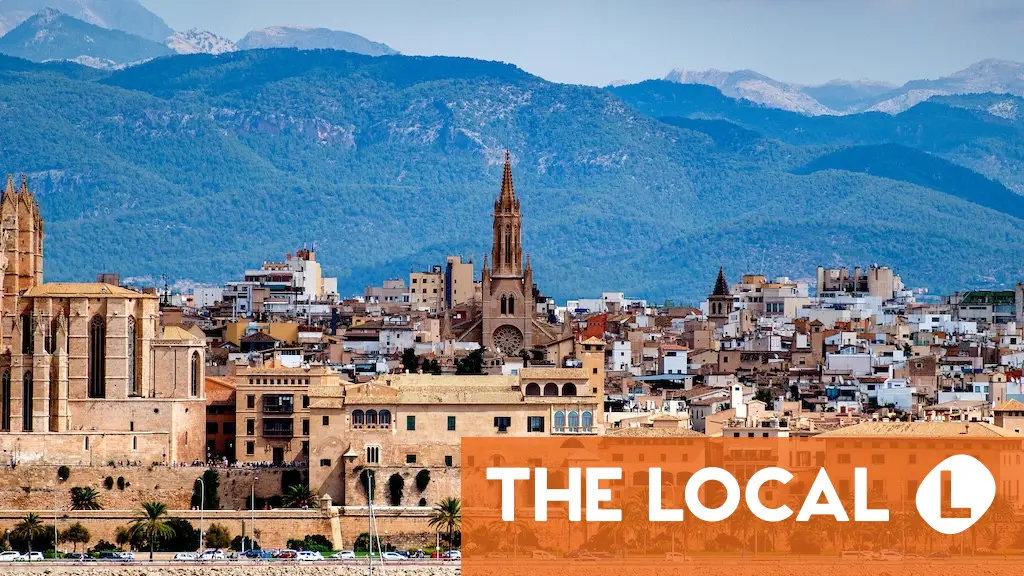
Palma Cracks Down on Tourism: A Shift Towards Quality & Resident Wellbeing
Palma, Mallorca, is taking decisive action to address the growing pains of overtourism. Recent measures signal a clear intent to prioritize resident quality of life and steer the city towards a more sustainable tourism model. This isn’t about stopping tourism, but rather reshaping it. Here’s a breakdown of the key changes and what they mean for you, whether you’re a visitor, homeowner, or local resident.
The New Landscape of Tourist Rentals in Palma
The most significant change involves restrictions on tourist rentals. Palma is capping the number of legal rentals in single-family homes at 639 – the current number. No new licenses will be issued, and existing rentals won’t be replaced if they close.
This decision directly addresses resident concerns about rising housing costs and a dwindling supply of homes for locals. Here’s a speedy overview:
* Single-Family Homes: Limited to the existing 639 legal rentals.
* Apartments: Tourist rentals remain prohibited, despite widespread illegal activity.Enforcement is expected to increase.
* Future Growth: No expansion of legal tourist rental options is planned.
These measures gained approval from both Podemos and the Partido Popular last year and are expected to be implemented “as soon as possible.” The entire municipality of Palma is covered by this ban.
Tackling Disruptive Tourism: Party Boats & Hostels
The crackdown extends beyond rentals. Palma is also targeting disruptive tourist behaviors and unregulated accommodation.
* ‘Party Boats’ Banned: The City Council, in collaboration with the Balearic Islands Port Authority (APB), will prohibit “party boats” along the Paseo Marítimo.These boats have been a source of noise complaints and overcrowding for residents.
* Hostel Inspections: All hostels in palma will undergo thorough inspections to ensure compliance with their operating licenses.The city aims to eliminate hostels masquerading as low-class hotels.
This reflects a broader effort to manage the impact of tourism on the city’s infrastructure and social fabric.
A Shift in Tourism Quality – And It’s Working
Despite these restrictions, Palma’s tourism sector isn’t shrinking – it’s evolving. Mayor Martínez points to encouraging data suggesting a positive shift.
* Reduced Seasonality: Tourist seasonality has decreased by 2.01% in the last two years and 4.57% compared to the peak of 2018. This means a more consistent flow of visitors throughout the year, lessening the strain on the city during peak months.
* Increased Spending: Tourism spending has risen by approximately 15%. This indicates a move towards attracting higher-value tourists who contribute more to the local economy.
* Illegal Rentals Down: An Exceltur report shows a 17.4% decrease in properties listed on the tourist rental market in Palma during August. this suggests enforcement efforts are beginning to yield results.
Why This Matters: Addressing Overtourism & Housing Costs
Mallorca, and Palma specifically, has been a focal point for anti-tourism protests in recent years. residents are understandably frustrated by the impact of mass tourism on their daily lives.
The core issue? The proliferation of tourist rentals has dramatically driven up housing costs. Palma now boasts four of the most expensive neighborhoods in Spain and is one of the priciest cities overall for cost of living, according to property portal Idealista.
These new regulations are a direct response to these concerns, aiming to restore a balance between welcoming visitors and protecting the wellbeing of Palma’s residents.
Further Reading: For a broader viewpoint on tourism changes in the Balearic Islands, explore Taxes, bans and fines: The new mass tourism measures on Spain’s Balearics.
Ultimately, Palma’s approach represents a growing trend in popular tourist destinations worldwide: a move away from simply maximizing visitor numbers and towards a more sustainable, responsible, and resident-focused model of tourism.
Keep reading