
Panathinaikos Unveils Stunning Progress on New Botanikos Stadium: A Glimpse Into Athens’ Future Football Landmark
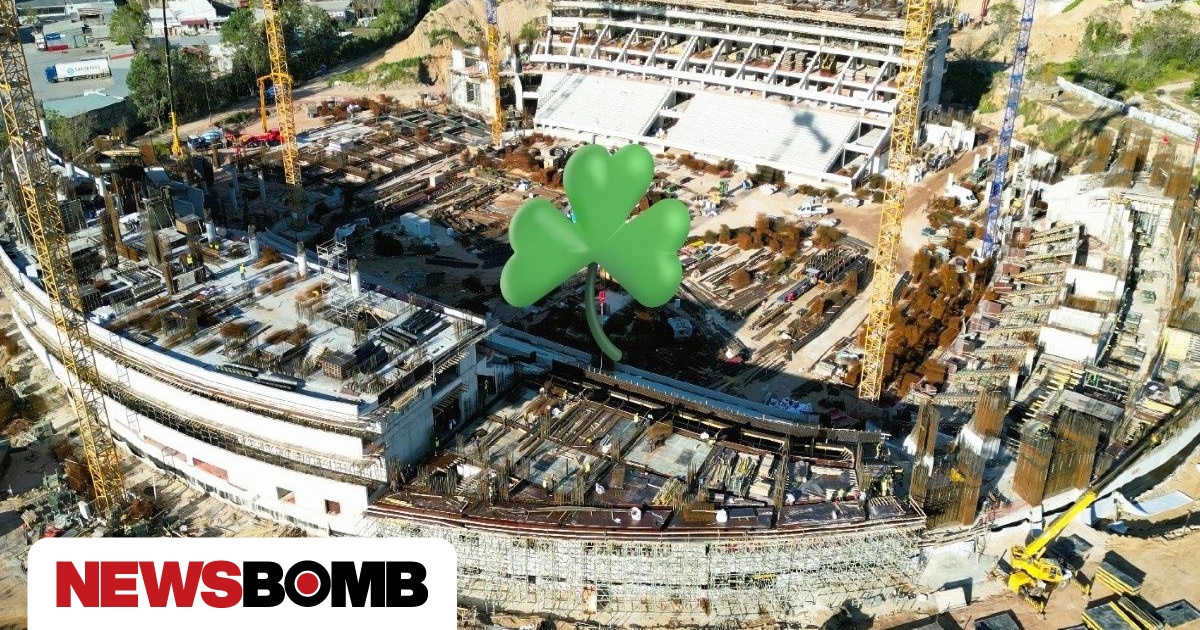
ATHENS — The iconic green and white of Panathinaikos FC are set to rise even higher in the Athenian skyline as construction on the club’s new state-of-the-art stadium in the Botanikos district accelerates at a remarkable pace. In a newly released video shared by the club’s administration, breathtaking aerial footage and on-site imagery reveal the stadium’s rapid transformation from a visionary blueprint into a tangible reality. With its modern design, expansive capacity, and ambitious sustainability features, the Botanikos Stadium is poised to become not just a new home for one of Greece’s most storied football clubs, but a landmark of urban regeneration for the Greek capital.
The video, which has already captivated fans and sports enthusiasts worldwide, showcases the stadium’s towering steel framework, the meticulous assembly of its seating bowl, and the early stages of its distinctive roof structure. The footage offers a rare, behind-the-scenes look at what is shaping up to be one of the most significant infrastructure projects in Greek sports history. Scheduled for completion in May 2027, the stadium is part of the broader “Double Regeneration” initiative, a sweeping urban renewal plan aimed at revitalizing the Botanikos and Alexandras Avenue areas of Athens.
For Panathinaikos, a club with a legacy stretching back to 1908, the new stadium represents more than just a modern venue—it is a symbol of revival, ambition, and a bold step into the future. The project has been closely watched by football fans, city planners, and sports analysts alike, as it promises to redefine the matchday experience although setting new standards for sustainability and community integration in European football. As construction progresses, the Botanikos Stadium is already drawing comparisons to some of the continent’s most iconic sports venues, from London’s Tottenham Hotspur Stadium to Munich’s Allianz Arena.
A Stadium Built for the Future: Design, Capacity, and Innovation
The Botanikos Stadium is designed to be a multi-functional marvel, far exceeding the traditional role of a football ground. With a planned capacity of 39,074 seats, it will be the largest football-specific stadium in Greece, surpassing the historic Apostolos Nikolaidis Stadium, which has been the club’s home since 1922. The new venue will not only host Panathinaikos’ domestic and European matches but will also feature facilities for volleyball, handball, basketball, and even an Olympic-sized swimming pool, making it a true hub for sports and community events.

The stadium’s architectural design, led by the Athens-based firm A&S Architects, blends modern aesthetics with functional innovation. The structure’s most striking feature is its sweeping, translucent roof, which will provide shade for spectators while allowing natural light to flood the pitch. The roof’s design is not merely aesthetic; it is also engineered to support solar panels, aligning with the project’s commitment to sustainability. According to official plans, the stadium will incorporate energy-efficient systems, rainwater harvesting, and green building materials, positioning it as one of the most eco-friendly sports venues in Europe.
Construction began on April 6, 2023, following years of planning, legal hurdles, and public consultations. The project is being executed by a consortium of Greece’s leading construction firms, including GEK TERNA, AKTOR, and METKA (a subsidiary of the Mytilineos Group), which won the tender for the €125 million project. The stadium is owned by the Municipality of Athens but will be managed by Panathinaikos AO and its professional football branch, PAE Panathinaikos, under a long-term lease agreement.
One of the most anticipated features of the new stadium is its underground parking facility, which will accommodate up to 325 vehicles, addressing a long-standing challenge for fans attending matches at the club’s current home. The stadium’s location in the Botanikos district offers excellent connectivity, with the nearby Elaionas metro station providing easy access for spectators arriving from across Athens and beyond.
The Double Regeneration: A Catalyst for Urban Renewal
The Botanikos Stadium is not an isolated project; it is a cornerstone of the “Double Regeneration” (Διπλή Ανάπλαση) initiative, a comprehensive urban development plan aimed at transforming two key areas of Athens: the Botanikos district and Alexandras Avenue. The initiative, spearheaded by the Municipality of Athens in collaboration with the Greek government and private stakeholders, seeks to address decades of urban decay, improve public spaces, and create a more livable, sustainable city.
For the Botanikos district, the stadium is expected to act as a catalyst for economic growth, attracting investment, businesses, and tourism to an area that has long been overlooked. The regeneration plan includes the development of new green spaces, pedestrian-friendly walkways, and mixed-use facilities that will integrate the stadium into the fabric of the neighborhood. The goal is to create a vibrant, 24/7 destination that extends beyond matchdays, offering restaurants, retail spaces, and cultural venues that will benefit both residents and visitors.
Alexandras Avenue, another focal point of the regeneration plan, is set to undergo a similar transformation. The avenue, which runs adjacent to the current Apostolos Nikolaidis Stadium, will see upgrades to its infrastructure, including improved public transportation links, enhanced pedestrian zones, and the creation of new public squares. The Double Regeneration initiative is one of the most ambitious urban projects in Athens in recent decades, with the potential to reshape the city’s social and economic landscape.
Panathinaikos’ move to the Botanikos Stadium is also symbolic of the club’s broader ambitions. The Apostolos Nikolaidis Stadium, affectionately known as “Leoforos” (The Avenue) by fans, has been the club’s home for over a century, but its aging infrastructure and limited capacity have long posed challenges. While the new stadium will provide a modern, world-class venue for the team, the club has pledged to preserve the historic Leoforos site as a cultural and sporting landmark, ensuring that its legacy remains intact.
A Glimpse Inside the Construction: What the New Video Reveals
The latest video released by PAE Panathinaikos offers an unprecedented look at the stadium’s construction progress, capturing the scale and complexity of the project. The footage, shot using drones and on-site cameras, highlights several key developments:
- The Seating Bowl: The video shows the near-completion of the stadium’s lower tier, with rows of green and white seats—Panathinaikos’ iconic colors—already installed in sections. The seating arrangement is designed to bring fans closer to the action, creating an intimate yet electrifying atmosphere.
- The Roof Structure: One of the most visually striking elements of the stadium is its roof, which is taking shape above the seating bowl. The roof’s steel framework is designed to support both the translucent panels and the solar array, which will generate renewable energy for the stadium’s operations.
- The Pitch: While the playing surface itself is still under development, the video reveals the meticulous preparation of the subsoil and drainage systems, which are critical for maintaining a high-quality pitch year-round.
- Multi-Sport Facilities: The stadium’s design includes dedicated spaces for volleyball, handball, and basketball, as well as an Olympic-sized swimming pool. These facilities will be accessible to both athletes and the general public, further cementing the stadium’s role as a community asset.
- Sustainability Features: The video also highlights the installation of energy-efficient lighting systems and water management infrastructure, underscoring the project’s commitment to environmental stewardship.
For Panathinaikos fans, the video is more than just a construction update—it is a tangible sign that the club’s long-awaited return to a modern, purpose-built stadium is finally within reach. The footage has already sparked excitement on social media, with supporters sharing their reactions and expressing their eagerness for the stadium’s completion. Many have praised the club’s transparency in sharing regular updates, a departure from the secrecy that often surrounds large-scale construction projects.
What’s Next: Timeline, Challenges, and the Road to 2027
With the stadium’s completion date set for May 2027, the project is currently in its most critical phase. The coming months will see the installation of the roof’s translucent panels, the finalization of the seating bowl, and the completion of the pitch and surrounding facilities. However, the road to 2027 is not without its challenges.
One of the primary hurdles has been navigating the complex regulatory landscape of Greek construction projects. The Botanikos Stadium has faced delays in the past due to legal disputes, environmental assessments, and bureaucratic red tape. However, the consortium of construction firms leading the project has expressed confidence that the remaining obstacles can be overcome, citing the progress made thus far as evidence of their commitment to meeting the 2027 deadline.
Another challenge lies in ensuring that the stadium meets the highest standards of safety and accessibility. The project’s architects and engineers are working closely with UEFA, the governing body of European football, to ensure that the venue complies with all regulations for hosting domestic and international matches. This includes everything from spectator safety and emergency evacuation procedures to accessibility features for fans with disabilities.
Financially, the project is being funded through a combination of public and private investment. The €125 million budget includes contributions from the Municipality of Athens, the Greek government, and Panathinaikos itself, as well as revenue generated from the stadium’s commercial operations. The club has also explored partnerships with corporate sponsors and investors to offset costs and enhance the stadium’s long-term viability.
For Panathinaikos fans, the countdown to 2027 is filled with anticipation. The new stadium promises to elevate the matchday experience, offering modern amenities, improved sightlines, and a vibrant atmosphere that reflects the passion of the club’s supporters. It also represents an opportunity for the club to strengthen its financial position, attract top talent, and compete at the highest levels of European football.
Why the Botanikos Stadium Matters Beyond Football
While the Botanikos Stadium is first and foremost a project for Panathinaikos and its fans, its impact extends far beyond the world of football. The stadium is a key component of Athens’ broader urban regeneration efforts, which aim to address some of the city’s most pressing challenges, including urban decay, traffic congestion, and the lack of green spaces.
The Double Regeneration initiative, of which the stadium is a part, is expected to create thousands of jobs, both during the construction phase and after the stadium’s completion. The project is also likely to stimulate economic activity in the Botanikos district, attracting businesses, tourists, and residents to an area that has long been underserved. By integrating the stadium into the fabric of the neighborhood, the initiative seeks to create a sustainable, livable urban environment that benefits all Athenians.
the stadium’s focus on sustainability sets a new standard for sports venues in Greece. With its solar panels, energy-efficient systems, and green building materials, the Botanikos Stadium is designed to minimize its environmental footprint while maximizing its positive impact on the community. This aligns with broader European trends in sports infrastructure, where sustainability is increasingly seen as a non-negotiable aspect of modern stadium design.
For Panathinaikos, the new stadium is also an opportunity to redefine its identity. The club has a rich history, but it has also faced its share of challenges in recent years, including financial difficulties and on-field struggles. The move to the Botanikos Stadium represents a fresh start, a chance to reconnect with fans, attract new supporters, and reassert the club’s place at the forefront of Greek and European football.
Key Takeaways: What You Need to Understand About the Botanikos Stadium
- Capacity and Design: The Botanikos Stadium will have a capacity of 39,074 seats, making it the largest football-specific stadium in Greece. Its design includes a translucent roof, solar panels, and facilities for multiple sports.
- Construction Timeline: Construction began on April 6, 2023, with a scheduled completion date of May 2027. The project is being led by a consortium of Greek construction firms, including GEK TERNA, AKTOR, and METKA.
- Budget: The total cost of the project is €125 million, funded through a combination of public and private investment.
- Sustainability: The stadium is designed to be one of the most eco-friendly sports venues in Europe, with features such as solar panels, energy-efficient systems, and rainwater harvesting.
- Urban Regeneration: The stadium is a cornerstone of the “Double Regeneration” initiative, which aims to revitalize the Botanikos district and Alexandras Avenue through infrastructure upgrades, green spaces, and economic development.
- Community Impact: Beyond football, the stadium will serve as a hub for sports, culture, and community events, with facilities for volleyball, handball, basketball, and swimming.
Looking Ahead: The Next Steps for Panathinaikos and the Botanikos Stadium
As construction continues, Panathinaikos fans and the broader Greek public can expect regular updates on the stadium’s progress. The club has committed to sharing behind-the-scenes content, including drone footage, construction timelapses, and interviews with the architects and engineers leading the project. These updates will not only retain fans engaged but also provide transparency about the challenges and milestones ahead.
The next major checkpoint for the project will be the completion of the stadium’s roof, which is expected to be a defining moment in the construction timeline. Once the roof is in place, work will shift to the interior spaces, including the locker rooms, media facilities, and commercial areas. The pitch itself will be the final piece of the puzzle, with groundskeepers working to ensure that it meets the highest standards for playability and durability.
For those eager to experience the Botanikos Stadium firsthand, the wait is still a little over two years away. In the meantime, fans can stay informed by following Panathinaikos’ official website and social media channels, where the club will continue to share updates, videos, and exclusive content about the project.
As the green and white of Panathinaikos rises higher in the Athenian skyline, the Botanikos Stadium is more than just a construction project—it is a symbol of hope, progress, and the enduring power of sport to transform communities. When the first whistle blows in 2027, it will mark the beginning of a new era for Panathinaikos, one that promises to be as bright as the stadium’s lights shining over the city of Athens.
What are your thoughts on the Botanikos Stadium? Do you reckon it will live up to the hype? Share your comments below and join the conversation!