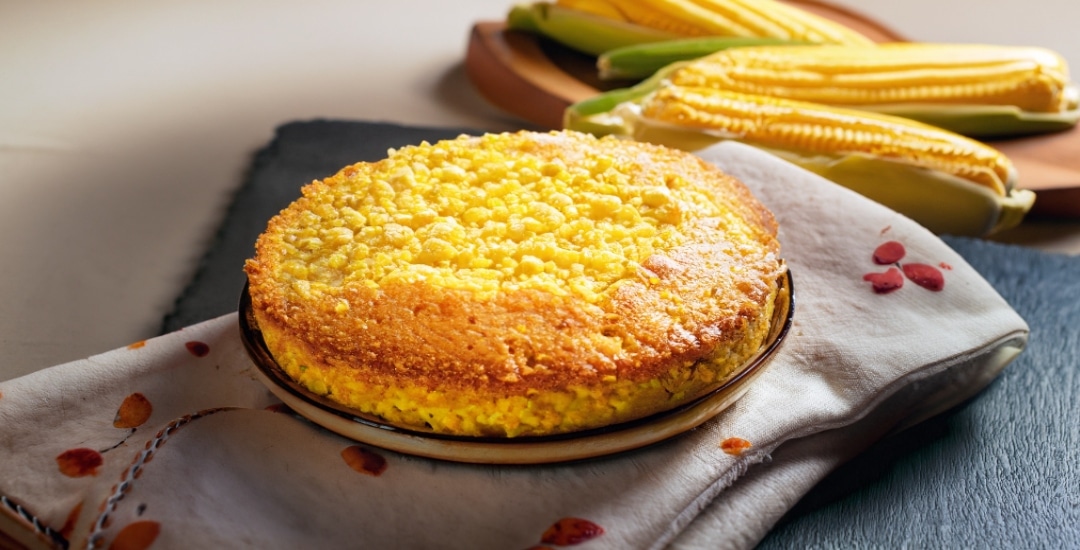
Pastel de choclo is a traditional South American corn-based casserole that serves as a cornerstone of comfort food in countries like Chile and Argentina. While variations exist across the continent, the dish typically features a savory base of seasoned ground beef—often called pino—topped with a sweet, creamy corn crust that caramelizes during the baking process. Recent interest in home-cooked, authentic recipes has surged on social media platforms, where culinary creators share their “infallible” methods for achieving the perfect balance between the savory meat filling and the naturally sweet corn topping.
The dish is widely recognized for its cultural significance, particularly in Chile, where it is often served during the summer months when corn is at its peak freshness. According to historical culinary accounts, the recipe evolved from indigenous agricultural practices combined with European influences brought during the colonial era, resulting in a dish that reflects a unique regional identity. Modern versions remain deeply connected to these roots, prioritizing fresh ingredients to maintain the traditional flavor profile that distinguishes it from other Latin American corn-based dishes like humitas or tamales.
@dianacozzi_cocina Pastel de Choclo Receta de pastel de choclo es infalible,
Understanding the Components of Traditional Pastel de Choclo
The foundation of a successful pastel de choclo lies in the preparation of its two primary layers. The pino, or meat filling, is essential to the flavor structure of the dish. Traditional recipes, as documented by the Chilean Tourism Board, typically consist of minced or ground beef sautéed with finely chopped onions, garlic, cumin, and paprika. Many traditionalists also incorporate hard-boiled eggs, olives, and raisins into the meat mixture to create a complex, layered flavor profile that balances saltiness with subtle sweetness.
The topping, which defines the dish, is made from fresh corn kernels ground into a paste. Unlike cornmeal-based breads, the authentic texture is achieved by processing fresh or frozen corn with milk and basil. This mixture is then cooked until thickened and spread over the meat base before being placed in a high-heat oven. The goal is to achieve a golden, slightly crusty top, often achieved by sprinkling a small amount of sugar over the surface before the final minutes of baking, allowing for caramelization.
The Evolution of Home-Cooking Trends
The resurgence of interest in traditional recipes on platforms like TikTok highlights a shift toward “infalible” or foolproof cooking methods. Culinary experts note that the democratization of recipe sharing has allowed home cooks to bypass complex, multi-day preparation methods in favor of streamlined techniques that preserve the integrity of the dish. According to data from the Food and Agriculture Organization (FAO) regarding regional food heritage, the preservation of such recipes is vital for maintaining cultural culinary traditions in an increasingly globalized food landscape.

Modern approaches often focus on simplifying the corn-grinding process, which was historically the most labor-intensive step. By utilizing food processors and consistent ratios of corn to dairy, contemporary cooks can achieve the desired texture without the need for traditional hand-cranked mills. This accessibility has introduced the dish to a broader international audience, moving it from a localized seasonal specialty to a year-round staple in kitchens globally.
Best Practices for Authentic Results
For those looking to prepare this dish, consistency in ingredient quality is the primary factor in success. Fresh basil is widely cited by culinary professionals as a non-negotiable ingredient, as its aromatic properties are essential to balancing the sweetness of the corn. Similarly, the quality of the beef—ideally a cut with enough fat to remain succulent during the oven-baking process—ensures that the filling does not dry out.
While variations are common, the most widely accepted standard for a high-quality pastel de choclo includes:

- The Meat Base: Utilizing lean ground beef cooked slowly with onions until the moisture has evaporated, ensuring a concentrated flavor.
- The Corn Crust: Using a high ratio of corn to milk to ensure the topping sets firmly without becoming runny.
- The Baking Process: Using a ceramic or clay vessel, which retains heat effectively and promotes even cooking throughout the layers.
As interest in traditional gastronomy continues to grow, home cooks are encouraged to look for community-verified recipes that emphasize these foundational techniques. Engaging with culinary content that highlights the history and regional variations of the dish provides a deeper understanding of why pastel de choclo remains a beloved classic. Readers are invited to share their own experiences or variations in the comments section below, contributing to the ongoing conversation about preserving and adapting heritage recipes for the modern kitchen.