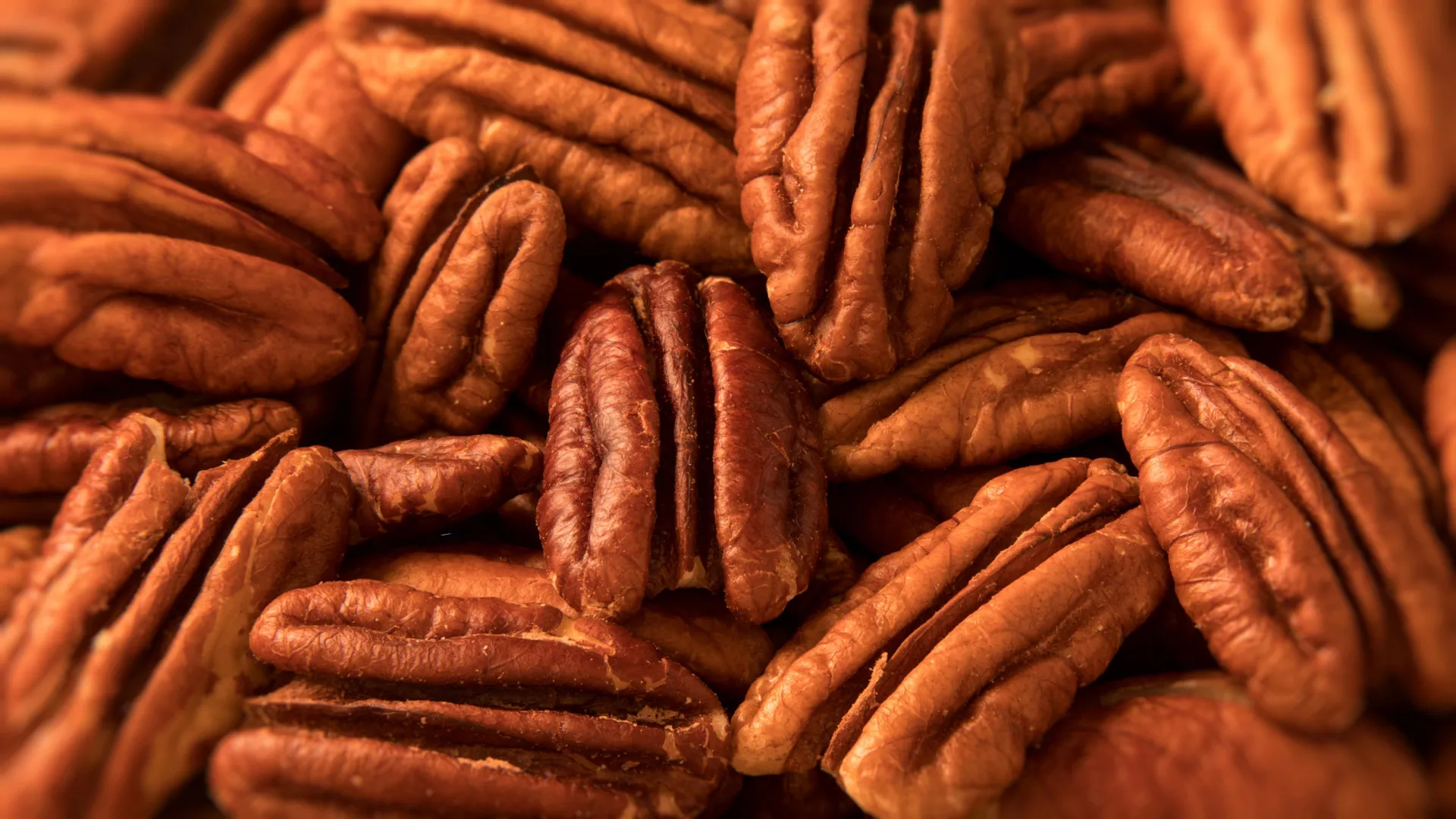
When it comes to heart-healthy snacks, few options have garnered as much consistent scientific attention in recent years as pecans. Native to North America and long celebrated for their rich, buttery flavor, these tree nuts are now the focus of a growing body of research suggesting they may play a meaningful role in supporting cardiovascular wellness. A comprehensive review published in early 2026 analyzed more than two decades of studies on pecans and found consistent evidence linking their regular consumption to improvements in key markers of heart health, particularly cholesterol levels.
The review, conducted by researchers at the Illinois Institute of Technology and published in the peer-reviewed journal Nutrients, synthesized findings from numerous human trials and observational studies. According to the analysis, individuals who incorporated pecans into their daily diet — often as a replacement for less nutritious snacks — experienced measurable reductions in total cholesterol and low-density lipoprotein (LDL) cholesterol, commonly referred to as “bad” cholesterol. These effects were observed across diverse populations and remained consistent even when accounting for variables such as age, baseline health status, and dietary patterns.
One of the most notable aspects of the research is the dose-response relationship observed in several studies. In a 2025 randomized controlled trial referenced in the review, participants who consumed 57 grams (approximately 2 ounces) of pecans per day in place of their usual snacks showed a reduction in total cholesterol by about 8.1 mg/dL after 12 weeks. This corresponded to a roughly 3.75 percent decrease from baseline levels. More significantly, LDL cholesterol levels dropped by approximately 6.6 percent in the same group, suggesting a targeted benefit for the lipoprotein most closely associated with atherosclerosis and heart disease risk.
These findings align with earlier research, including a 2021 study that reported LDL reductions of up to 9.5 percent after eight weeks of daily pecan consumption among individuals at elevated risk for cardiovascular disease. The consistency of these results across multiple trials strengthens the case for pecans as a functional food with specific lipid-modulating properties. Importantly, the benefits were not limited to cholesterol alone; the review similarly noted improvements in triglycerides, non-HDL cholesterol, and the total cholesterol-to-HDL ratio — all of which are considered important indicators of metabolic and cardiovascular health.
The mechanisms behind these effects appear to be multifaceted. Pecans are rich in monounsaturated and polyunsaturated fatty acids, which are known to support healthy lipid profiles when they replace saturated fats in the diet. They also contain plant sterols, naturally occurring compounds that structurally resemble cholesterol and may interfere with its absorption in the digestive tract. Pecans provide dietary fiber, particularly soluble fiber, which can help reduce the reabsorption of bile acids and thereby promote cholesterol excretion. Their antioxidant content, including various forms of vitamin E and phenolic compounds, may further contribute by reducing oxidative stress and inflammation — two key drivers of endothelial dysfunction and plaque formation.
Beyond lipid management, the review highlighted emerging — though less established — areas of potential benefit. Some studies have suggested possible associations between pecan consumption and improved glycemic control, enhanced satiety, and positive shifts in gut microbiota composition. While these findings require further investigation, they add to the growing interest in pecans not just as a heart-healthy food, but as a component of broader dietary patterns aimed at preventing chronic disease.
while the evidence is promising, experts emphasize that pecans should be consumed as part of an overall balanced diet and not viewed as a standalone solution for managing cholesterol or preventing heart disease. Portion awareness remains key, as nuts are calorie-dense; however, their high satiety value may help offset this by reducing overall calorie intake when they replace less filling, processed snacks. The American Heart Association continues to recommend nuts, including pecans, as part of a dietary pattern that emphasizes fruits, vegetables, whole grains, lean proteins, and healthy fats.
For individuals looking to incorporate pecans into their routine, practical strategies include snacking on a small handful (about 1/4 cup) raw or dry-roasted pecans, adding them to salads, oatmeal, or yogurt, or using chopped pecans as a crust for baked fish or poultry. Choosing unsalted, unsweetened varieties helps maximize health benefits while minimizing unnecessary sodium or added sugars. As with any dietary change, those with specific health conditions — such as nut allergies — should consult a healthcare provider before making adjustments.
The latest review underscores that the science behind pecans and heart health is no longer anecdotal. With over 20 years of research now synthesized, the data point to a clear and reproducible benefit: regular, moderate consumption of pecans can contribute to better cholesterol management and improved cardiovascular risk markers. As research continues to explore the full scope of their effects — including potential impacts on brain health and metabolic function — pecans stand out as a simple, accessible, and evidence-backed choice for those seeking to support long-term heart health through everyday food decisions.
For ongoing updates on nutrition science and heart-healthy dietary guidance, readers are encouraged to consult trusted sources such as the National Institutes of Health’s Office of Dietary Supplements and the American Heart Association’s nutrition guidelines.
We welcome your thoughts and experiences. Have you noticed changes in your health after adding nuts like pecans to your diet? Share your story in the comments below, and help others learn from your journey. If you found this information useful, please consider sharing it with friends or family who might benefit.
Related reading
- José Luis Perales on Oregón TV: A Night of Chaos, Absurdity, and Surreal Humor
- National Immunization Awareness Month: Why August Matters for Your Health
- Hormone Therapy for Menopause Reevaluated After 25 Years What New Data Shows (world-today-news.com)
- Pluto’s Heart-Shaped Glacier Shows Evidence of Flowing Liquid Nitrogen (time.news)