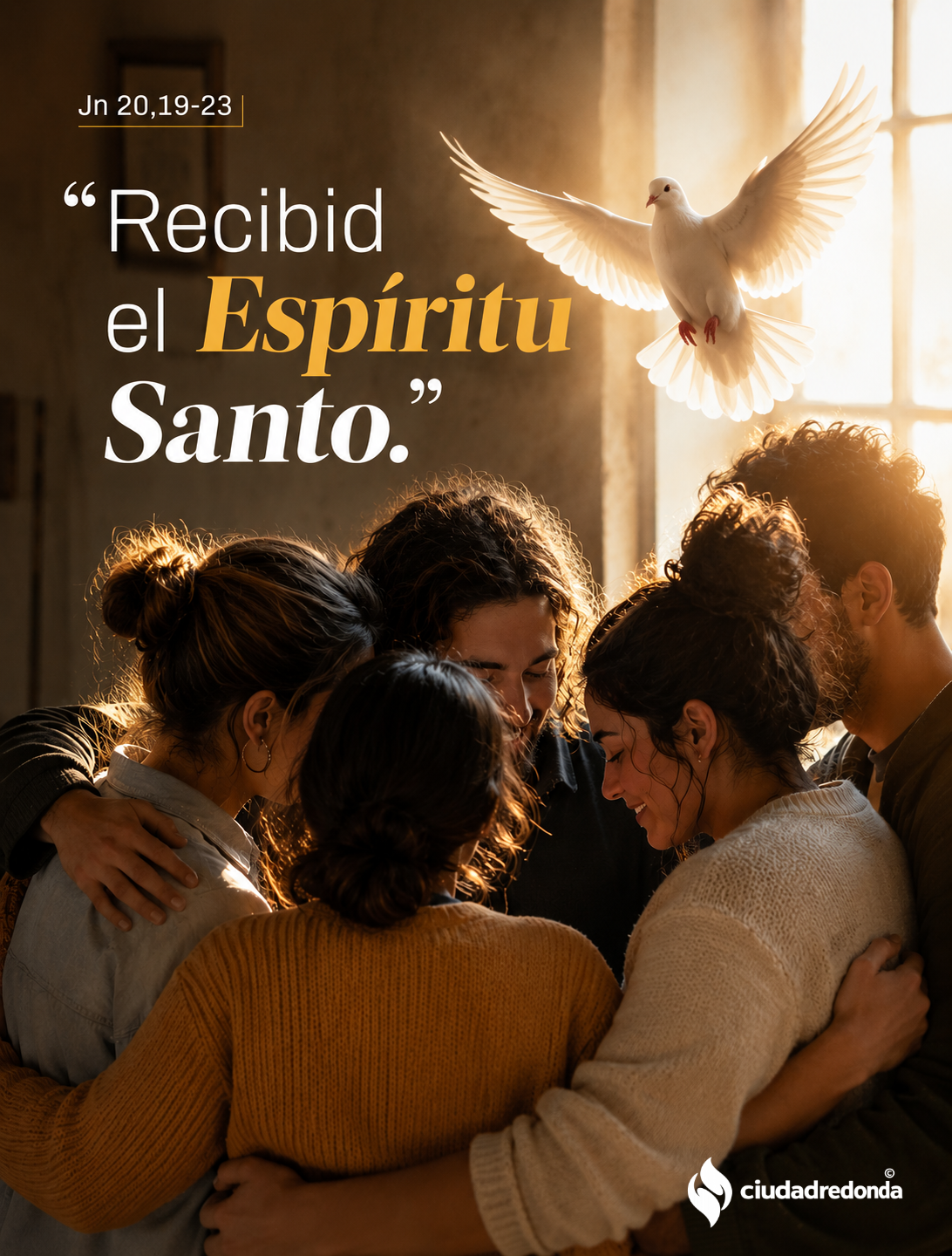
As we mark Pentecost Sunday on May 24, 2026, Christian communities around the globe observe a significant transition in the liturgical calendar. Often described as the “Birthday of the Church,” this feast day commemorates the descent of the Holy Spirit upon the Apostles, Mary, and other followers of Jesus in Jerusalem. For believers, the day serves as a pivotal moment of spiritual renewal and a reflection on the foundational narrative of the early Christian community.
The observance of Pentecost Sunday is deeply rooted in the Acts of the Apostles, specifically the account provided in Acts 2:1–31. According to the official record of the feast, the event is traditionally celebrated 49 days after Easter, or the 50th day using inclusive counting. Because its date is tethered to the variable date of Easter, Pentecost is classified as a “moveable feast,” meaning its placement on the calendar shifts annually, impacting liturgical planning for denominations ranging from the Roman Catholic Church to Eastern Orthodox and Anglican communions.
The Significance of the Pentecostal Narrative
Pentecost carries profound theological weight across various Christian traditions. In the Roman Rite of the Catholic Church, This proves observed as a Solemnity, while for the Eastern Orthodox Church, it ranks among the Great feasts. For the Anglican Communion, it is recognized as a Principal Feast. These designations underscore the universal importance placed on the arrival of the Holy Spirit, which is traditionally interpreted as the moment the Church was empowered to begin its global mission.
The historical context of the event is equally vital to understanding its legacy. As noted in liturgical reflections on the feast, Pentecost shares a historical lineage with the Jewish festival of Shavuot, or the Feast of Weeks, which was being celebrated in Jerusalem at the time of the events described in the New Testament. While the two holidays remain distinct in their theological focus, the proximity of their origins highlights the historical setting in which the early followers of Jesus gathered.
Global Observances and Liturgical Traditions
Across the world, the day is marked by a diverse array of customs. In many congregations, the liturgy includes special prayers, the reading of the Acts of the Apostles, and the use of red vestments to symbolize the “tongues of fire” described in the biblical account. Beyond formal church services, the day is frequently associated with communal celebrations, including festive meals and, in some regions, traditional spring or woodland rites that have evolved over centuries.

In various jurisdictions, the significance of the day extends into the public sphere. For instance, the Monday following Pentecost is recognized as a legal holiday in several countries. This “Whit Monday” provides space for continued reflection and community gathering, reflecting the enduring cultural impact of the feast on society at large.
Key Facts About Pentecost 2026
- Date of Observance: May 24, 2026 (Western tradition).
- Primary Significance: Commemoration of the descent of the Holy Spirit upon the Apostles.
- Historical Context: Occurs 50 days after Easter; historically linked to the Jewish Feast of Weeks (Shavuot).
- Liturgical Status: A Solemnity in the Catholic Church and a Principal Feast in the Anglican tradition.
Reflecting on the Message of Peace
A recurring theme in Pentecost homilies and reflections is the greeting, “Peace be with you.” This phrase, attributed to Jesus in the post-resurrection narratives, serves as a cornerstone for current reflections on the role of the faithful in the modern world. As communities gather this Sunday, the emphasis remains on the themes of unity, the empowerment of the spirit, and the ongoing responsibility of the Church to act as a source of stability and reconciliation in a complex global landscape.
For those interested in the specific readings associated with the day, official diocesan resources and local parish bulletins remain the most reliable sources for updated homilies and pastoral messages. These documents often provide the most direct insight into how local church leadership is framing the message of Pentecost for their specific congregations in 2026.
As the liturgical season progresses, the next major milestone for many denominations will be Trinity Sunday, which follows Pentecost in the Western calendar. We invite our readers to share their local traditions and reflections on how their communities marked this significant day. Your insights contribute to a broader understanding of how this ancient feast continues to resonate in the modern era.