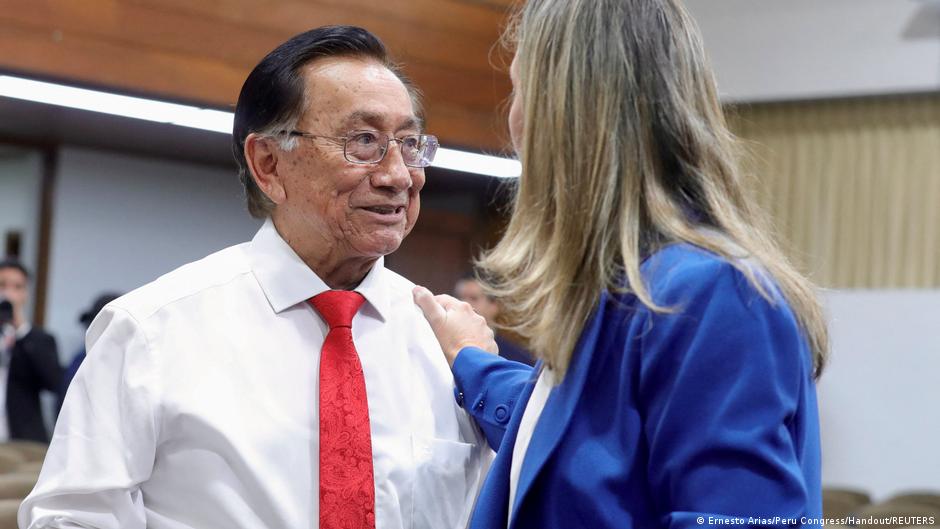
Sofia, Bulgaria – February 19, 2026 – Peru is navigating yet another period of political upheaval as José María Balcázar, a veteran lawmaker from the leftist Perú Libre party, has been elected interim president by the Peruvian Congress. The move follows the recent removal of José Jerí, who held the position for only four months, continuing a cycle of instability that has seen eight presidents in the Andean nation in less than a decade. Balcázar’s appointment, confirmed on Wednesday, February 18th, comes as Peru prepares for general elections on April 12th, with the latest president tasked with ensuring a peaceful and transparent transition of power.
The election of Balcázar, at 83 years old, marks a significant moment in Peruvian history, making him the oldest person to ever assume the presidency. His ascent to power underscores the deep political fractures within Peru, a country grappling with corruption allegations, social unrest, and a persistent lack of confidence in its governing institutions. The rapid succession of leaders – Pedro Pablo Kuczynski, Pedro Castillo, Dina Boluarte, and now José Jerí and Balcázar – highlights the fragility of Peru’s democratic processes and the challenges facing its political elite.
Balcázar secured his position with 64 votes in the second round of voting, defeating María del Carmen Alva. As president of the Congress, he automatically assumes the interim presidency due to the vacancies left by the impeachments of Castillo (2021-2022) and Boluarte (2022-2025). He is expected to serve until July 28th, when the winner of the April elections will be sworn in. The situation reflects a broader pattern of political instability that has plagued Peru since the early 2000s, with presidents frequently facing impeachment proceedings or resigning amidst scandal.
A Promise of Democratic Transition and Pacification
In his inaugural address, Balcázar pledged to prioritize a “peaceful, transparent” democratic transition, emphasizing the importance of free and fair elections. “I aim for to guarantee the people of Peru a peaceful, transparent electoral democratic transition,” he stated, according to CNN Español. CNN Español reports that Balcázar also committed to working towards “pacification” within the country, acknowledging the widespread insecurity and social tensions that have gripped Peru in recent years.
Balcázar’s commitment to pacification comes amid growing concerns about citizen security. He indicated his administration would focus on ensuring that Peru’s ministries are “fit to face citizen insecurity,” a key demand from the Peruvian population. This pledge suggests a potential shift in policy priorities, addressing a critical issue that contributed to the downfall of previous administrations, including Dina Boluarte, who was removed from office due to her perceived inability to address rising crime rates.
However, Balcázar’s past positions have drawn criticism, particularly from feminist organizations who have questioned his views on issues such as child marriage. This controversy adds another layer of complexity to his interim leadership, potentially fueling further social divisions. Despite these concerns, Balcázar has called for unity and urged Peruvians to have confidence in the upcoming electoral process.
Jerí’s Brief Tenure and the Cycle of Impeachment
The removal of José Jerí, Balcázar’s predecessor, occurred after just four months in office, triggered by allegations of illicit meetings with a Chinese businessman. El País reports that Jerí, a right-leaning politician, was ousted by a vote in Congress. He has since stated he is returning to his role as a member of parliament, expressing that he leaves office “with a full heart and in peace.”
Jerí’s impeachment is the latest in a series of removals that have destabilized Peruvian politics. Dina Boluarte was previously impeached in a political trial where she was accused of failing to address a surge in crime and extortion. The constant turnover in leadership has eroded public trust in the government and fueled a sense of disillusionment among Peruvian citizens. The frequency of these impeachments raises questions about the effectiveness of Peru’s political system and the need for reforms to address the underlying causes of instability.
The ongoing political turmoil in Peru is further complicated by deep-seated social and economic inequalities. The country faces significant challenges in areas such as poverty, healthcare, and education, which contribute to social unrest and political polarization. Balcázar’s ability to address these issues during his interim tenure will be crucial in shaping the future of Peru.
The Road Ahead: Elections and a Fragile Democracy
With presidential elections scheduled for April 12th, Peru stands at a critical juncture. The outcome of these elections will determine the country’s path forward and whether it can break free from the cycle of political instability. Balcázar’s primary responsibility as interim president is to ensure a fair and transparent electoral process, safeguarding the integrity of the vote and allowing the Peruvian people to choose their next leader.
The upcoming elections are expected to be highly competitive, with a range of candidates representing different political ideologies. The challenges facing Peru are immense, and the next president will need to address a multitude of issues, including economic recovery, social justice, and political reform. The success of the transition will depend on the ability of all stakeholders – political parties, civil society organizations, and the Peruvian people – to perform together towards a common goal of building a more stable and prosperous future.
The appointment of José María Balcázar as interim president represents a temporary solution to a deeply rooted political crisis. His ability to navigate the challenges ahead and ensure a peaceful transition of power will be critical in determining the fate of Peru’s fragile democracy. The world will be watching as Peru attempts to overcome its political turmoil and chart a course towards a more stable and equitable future.
The next key date to watch is April 12th, when Peruvians will head to the polls to elect their next president. Further updates on the electoral process and the political situation in Peru will be available on CNN Español and El País. We encourage readers to share their thoughts and perspectives on this developing story in the comments below.
Related reading