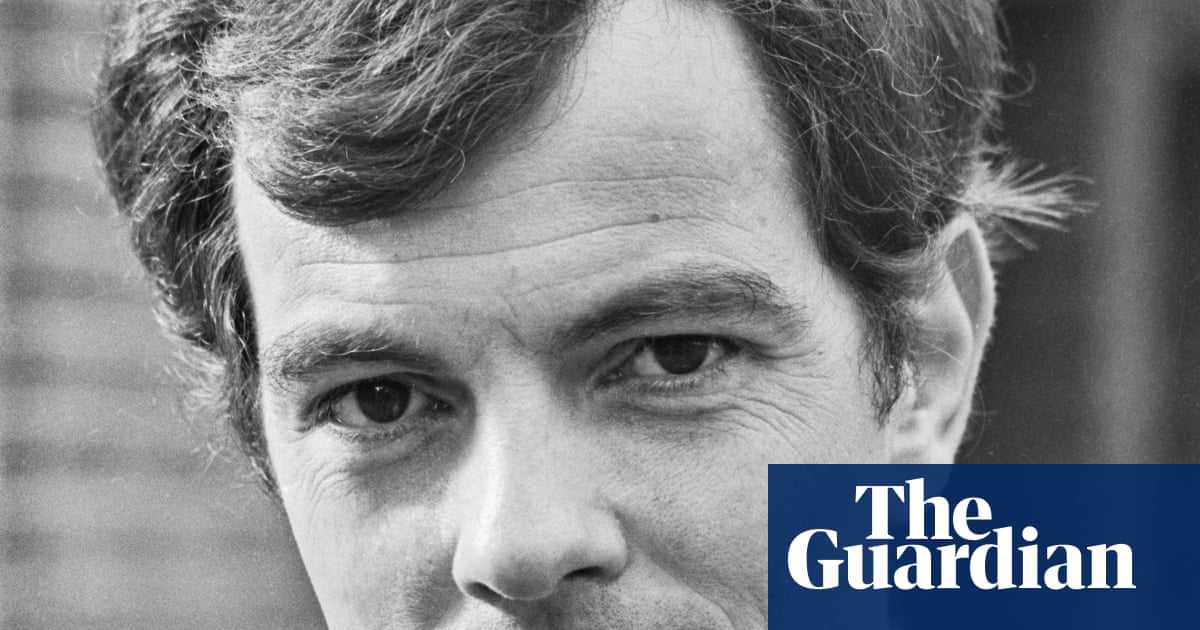
Peter Watkins: A Pioneering Filmmaker Who Challenged Conventions
Peter watkins,teh groundbreaking British filmmaker renowned for his unflinching and innovative approach to documentary and fiction,has died at the age of 97. He consistently pushed boundaries, forcing audiences to confront difficult truths about society, politics, and the human condition.Watkins’ work, often characterized by its pseudo-documentary style and lengthy runtime, remains profoundly relevant today.
Early Career and The War Game Controversy
Watkins began his career at the BBC, quickly establishing himself as a talent to watch. However, his uncompromising vision soon brought him into conflict with the establishment. His 1965 film, The War Game, depicting the horrifying realities of a nuclear attack on Canterbury, Kent, was deemed “too horrifying” for broadcast by the BBC.
Despite the cancellation, the film garnered significant attention. It ultimately won the Oscar for best documentary in 1967 and received high praise from critics like Roger Ebert, who called some scenes “certainly the most horrifying ever put on film.” The War Game wasn’t shown on British television until 1985, coinciding with the 40th anniversary of the Hiroshima bombing.
A Career Defined by Provocation and Innovation
Following the BBC dispute, Watkins continued to create challenging and thought-provoking work. He consistently explored themes of manipulation, control, and the power of media.
Here’s a look at some key films from his prolific career:
* Privilege (1967): This pseudo-documentary explored the manufactured fame of a pop star, manipulated into a cult figure to distract the public from political issues.
* Punishment Park (1971): Set in the US, this film presented a dystopian vision of a society where political dissidents are hunted for sport by the National Guard.
* Edvard Munch (1974): A four-hour biopic of the iconic painter, praised by The Guardian for its “extraordinary beauty.”
* The Journey (1983-1987): A monumental 873-minute documentary examining ordinary people’s understanding of nuclear weapons – considered the longest non-experimental film ever made.
* The Commune (2000): A 345-minute recreation of the 1871 Paris Commune, utilizing Brechtian techniques.
A Unique Filmmaking Style
Watkins’ films were often characterized by:
* Pseudo-documentary style: Blurring the lines between fiction and reality to heighten the impact of his message.
* Long runtimes: Allowing for in-depth exploration of complex themes and characters.
* Radical political themes: Challenging conventional wisdom and exposing societal injustices.
* Brechtian techniques: Employing methods to distance the audience and encourage critical thinking.
You’ll find that Watkins’ commitment to authenticity and his willingness to tackle difficult subjects set him apart from his contemporaries. He wasn’t interested in simply entertaining audiences; he wanted to provoke them into questioning the world around them.
Legacy and Personal Life
throughout his career, Watkins remained an autonomous spirit, often working outside the mainstream film industry.He primarily worked in Scandinavia during the later stages of his career, continuing to explore themes of art and social upheaval.
Peter Watkins was married twice and is survived by his two sons, Patrick and Gérard. His films continue to inspire and challenge filmmakers and audiences alike, solidifying his place as a true visionary in the history of cinema. If you are interested in exploring challenging and thought-provoking cinema, Watkins’ work is an essential starting point.
Worth a look