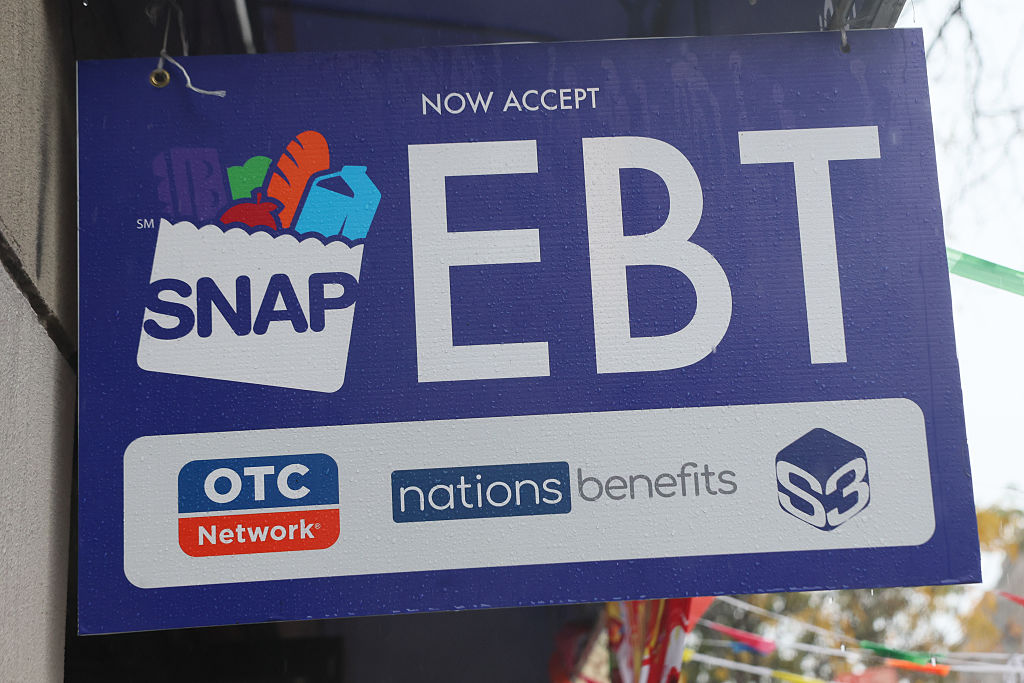
Federal Judges Halt SNAP Funding Cuts During Government Shutdown
Two federal judges have intervened to prevent the U.S. department of Agriculture (USDA) from suspending Supplemental Nutrition Assistance Program (SNAP) benefits amidst the ongoing federal government shutdown. The rulings, issued Friday in Massachusetts and Rhode Island, directly challenge the Trump administration’s plan to freeze benefits beginning November 1st. This decision impacts roughly 42 million Americans – one in eight citizens – who rely on SNAP each month.
Legal Basis for the Ruling
The core of the judges’ decisions centers on the USDA’s failure to utilize available contingency funds. Both Judge John J. McConnell Jr. in Providence and Judge Indira Talwani in Boston determined the USDA’s actions were unlawful.
* Judge McConnell ordered the immediate distribution of contingency funds, acknowledging the “terror” caused by the potential loss of food assistance for families.
* Judge Talwani demanded a report by Monday detailing the agency’s plan to access contingency funds and othre reserves.
The USDA argued it lacked the legal authority to tap into approximately $5 billion in contingency funding, let alone the larger $23 billion reserve. However, the courts disagreed, effectively compelling the administration to continue SNAP payments.
Political Fallout and Presidential Response
The rulings have ignited a political firestorm.Senator Amy Klobuchar (D-Minn.), ranking member of the Senate Agriculture Committee, condemned the administration’s initial plan as a ”cruel political decision” rather than a legal necessity.
President Trump responded via social media, stating his lawyers initially advised against using available funds. He added he would “BE MY HONOR” to provide funding if the court offers “appropriate legal direction.” This statement suggests a willingness to comply with the court’s mandate, but also hints at potential appeals or resistance.
challenges Remain Despite Court Orders
While the court rulings offer meaningful relief, challenges to full and timely benefit delivery persist.
* Processing Delays: Loading funds onto state benefit cards takes several days, creating immediate hardship for recipients.
* Funding Shortfall: The available emergency funds are insufficient to cover the estimated $9 billion needed for November’s SNAP benefits.
These logistical hurdles mean many beneficiaries will still experience delays, even with the court’s intervention.
State and Non-Profit Responses
States are proactively addressing the potential fallout. New York, for example, declared a state of emergency and allocated $65 million to bolster food banks. Non-profit organizations are also preparing for increased demand.
Diane Yentel of the National Council of Nonprofits emphasized the rulings prevent an “unfeasible burden” on food banks, but don’t guarantee seamless payments.These organizations are bracing for a potential surge in need as states navigate the complexities of implementing the court orders.
Broader Implications of the Shutdown
These rulings highlight the far-reaching consequences of the government shutdown, specifically its impact on the nation’s food safety net. The focus has shifted from whether SNAP funds will be cut to how they will be delivered. The administration’s compliance with the court’s mandate – and potential for appeal – will be closely watched. This situation underscores the critical role SNAP plays in ensuring food security for millions of Americans and the vulnerability of essential programs during periods of political gridlock.
Keep reading
- FGTS Profit Distribution: How to Check and Receive Your Share of R$ 13 Billion
- Optimizing Asset and Contract Management by Department
- Modern Diplomacy: All Views, All Voices in Global Order (archynewsy.com)
- China Gains Global Influence as Trump Administration Struggles With Containment (newsdirectory3.com)