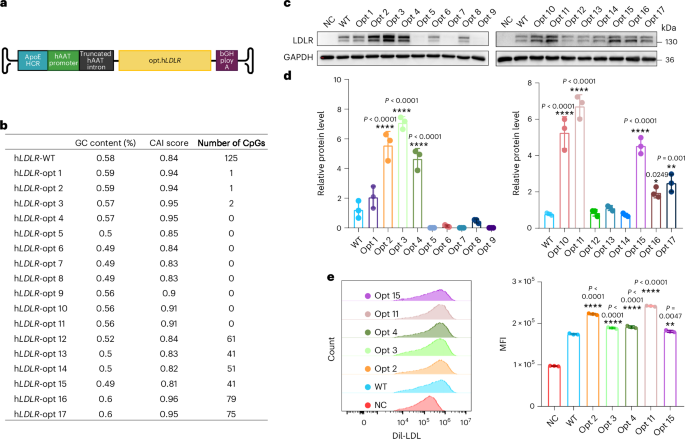
A recent Phase 1 clinical trial has provided preliminary evidence for the safety and efficacy of AAV8-mediated LDL receptor gene therapy in treating patients with homozygous familial hypercholesterolemia. The early-stage research, involving three participants, represents a potential shift in how medical professionals approach this severe genetic condition, which causes dangerously high levels of low-density lipoprotein (LDL) cholesterol from birth.
As a physician and journalist, I have followed the evolution of gene therapy closely. Understanding this development requires looking at both the mechanism of the treatment and the current clinical landscape for patients who often struggle to manage their cholesterol levels with standard therapies, such as statins or PCSK9 inhibitors. This initial study serves as a critical first step in determining whether adeno-associated virus (AAV) vectors can effectively deliver functional copies of the LDL receptor gene to the liver.
Understanding the Challenge of Homozygous Familial Hypercholesterolemia
Homozygous familial hypercholesterolemia (HoFH) is a rare, life-threatening genetic disorder. According to the National Heart, Lung, and Blood Institute, individuals with this condition inherit two copies of a mutated gene—one from each parent—that prevents the liver from effectively removing LDL cholesterol from the blood. Without aggressive treatment, this leads to premature cardiovascular disease and heart attacks, often in childhood or early adulthood.
Standard care typically involves a combination of high-dose lipid-lowering medications and, in some cases, LDL apheresis—a procedure similar to dialysis that physically filters cholesterol from the blood. However, these treatments are burdensome and do not address the underlying genetic cause. The hope behind AAV-mediated gene therapy is to provide a more definitive, long-term solution by enabling the liver to produce the missing receptors necessary for cholesterol clearance.
How AAV-Mediated Therapy Works
The therapy tested in this trial utilizes an adeno-associated virus (AAV) vector, specifically the AAV8 serotype. In gene therapy, AAVs act as a delivery vehicle or “delivery truck” to transport a healthy, functional copy of a gene into the target cells—in this case, hepatocytes in the liver. Once the vector enters the cell, the genetic material is released, allowing the liver to begin expressing the LDL receptor protein that the patient previously lacked.
The use of AAV8 is common in liver-directed gene therapies because of its natural affinity for hepatocytes. By targeting the liver directly, researchers aim to restore the body’s natural ability to regulate cholesterol levels. While this Phase 1 trial is limited to three individuals, it provides essential data on the initial safety profile of the intervention, including how the immune system responds to the viral vector and whether the expression of the LDL receptor is sufficient to lower systemic cholesterol levels.
The Significance of Phase 1 Clinical Trials
In medical research, a Phase 1 trial is primarily designed to assess safety, identify side effects, and determine the appropriate dosage for a new treatment. Because these trials involve a very small number of participants, they are not intended to prove efficacy on a large scale. Instead, they answer the question: “Is this treatment safe enough to test in a larger group of patients?”
The preliminary evidence from this study suggests that the AAV8-mediated approach was tolerated by the three participants involved. However, it is vital for patients and families to understand that this is only the beginning of a long clinical development process. Future studies will need to confirm these findings, evaluate long-term durability of the gene expression, and monitor for any delayed immune responses or potential off-target effects.
Future Steps and Clinical Oversight
The path from a successful Phase 1 trial to a standard-of-care therapy is rigorous. Regulatory bodies, such as the U.S. Food and Drug Administration (FDA) and the European Medicines Agency (EMA), require extensive data to ensure that gene therapies are both safe and effective before they are approved for general use. These agencies oversee the entire lifecycle of clinical trials to protect participant safety.
For patients currently living with HoFH, the most important step remains maintaining consistent care with their specialized lipid clinics and cardiologists. Advancements in gene therapy are promising, but they are not yet a substitute for current medical management. I encourage anyone interested in learning more about clinical trials for familial hypercholesterolemia to consult with their primary healthcare provider or search official registries like ClinicalTrials.gov to see if there are ongoing studies for which they might be eligible.
We will continue to track updates regarding this trial and other developments in cardiovascular gene therapy as they are reported by researchers and regulatory agencies. If you have questions about how these advancements might impact patient care, please leave a comment below or share this article with your professional network.