Emergency response teams in the Philippines are currently engaged in a precarious search and rescue operation following the collapse of a multi-storey structure. The incident, which has mobilized local disaster management authorities and various emergency services, has drawn significant attention as crews work to navigate the debris of the fallen building in hopes of locating survivors.
The situation remains fluid, with local government units and the National Disaster Risk Reduction and Management Council (NDRRMC) coordinating efforts to manage the site. While the primary focus is the immediate safety and extraction of those potentially trapped, the collapse has triggered broader concerns regarding structural integrity and urban safety protocols in the region. According to official guidelines provided by the National Disaster Risk Reduction and Management Council, search and rescue protocols are prioritized to ensure the preservation of life while maintaining scene security to prevent secondary accidents.
Ongoing Search and Rescue Efforts
Rescuers are utilizing specialized equipment to detect signs of life beneath the rubble. The complexity of the task is compounded by the structural instability of the remaining debris, requiring a methodical approach to prevent further collapse. As reported by the Official Gazette of the Republic of the Philippines, disaster response is managed through a multi-agency framework that integrates local government units, the Bureau of Fire Protection, and private sector volunteers who assist in critical infrastructure emergencies.
The intensity of the operation reflects the gravity of the incident. Authorities have cordoned off the area to allow heavy machinery and rescue personnel to operate without interference from the public. While specific casualty figures are often updated in real-time as operations progress, citizens are encouraged to monitor official channels for verified information rather than relying on unconfirmed reports circulating on social media platforms.
Structural Safety and Regulatory Oversight
The collapse of a significant structure invariably leads to an investigation into its construction history and compliance with the National Building Code of the Philippines (Presidential Decree No. 1096). This legislation dictates the standards for building design, construction, and maintenance to ensure public safety. Compliance with such mandates is strictly enforced by the Department of Public Works and Highways (DPWH), which oversees the structural integrity of buildings across the archipelago, as detailed on the Department of Public Works and Highways official website.
Investigations into such incidents typically involve a forensic analysis of the building’s structural plans, soil stability reports, and any history of modifications made to the structure. Experts in civil engineering are often brought in to determine if the failure was due to material defects, environmental factors, or a lapse in maintenance. These findings are essential for preventing future disasters and ensuring that urban development remains sustainable and safe for the growing population.
Public Safety and Community Impact
For those affected by the incident or living in the surrounding vicinity, the emotional and physical toll can be significant. Local authorities and non-governmental organizations are currently focused on providing medical support and temporary shelter to those displaced or injured. The government’s social welfare departments often activate relief programs to assist victims, ensuring that essential services such as food, water, and psychological first aid are accessible.
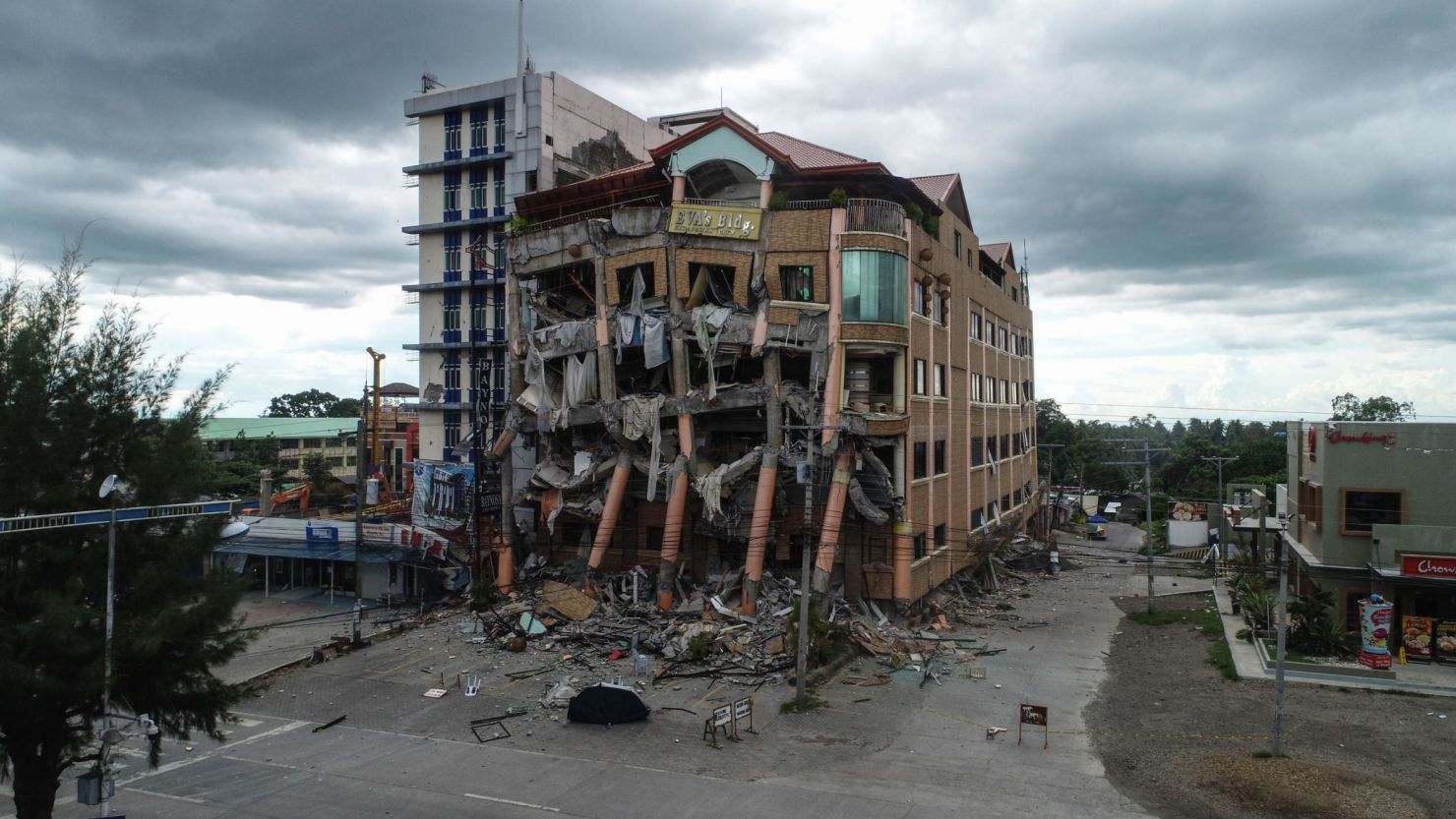
Residents are advised to avoid the incident site to ensure that emergency vehicles have unimpeded access. The public is reminded to verify information through official government portals, as misinformation can complicate rescue efforts and cause unnecessary panic. For real-time updates and advisory notices, residents should consult the Government of the Philippines portal, which serves as the primary hub for official public announcements.
Next Steps in the Investigation
As the search and rescue phase transitions into the recovery and investigative phase, the focus will shift toward accountability and remediation. Official reports regarding the cause of the collapse are expected to be compiled by the relevant government agencies in the coming weeks. These reports will be subject to review by administrative and potentially judicial bodies to determine if negligence or regulatory failure contributed to the catastrophe.
We will continue to monitor the situation as official statements are released by the relevant authorities. If you have information or are looking for official guidance on how to report structural concerns in your own community, please visit the local government offices or the DPWH regional bureau. We encourage our readers to share this information responsibly and stay tuned for further updates as they become verified by official sources.
Worth a look