
Facing a financial shortfall is a stressful experience, particularly when the prospect of being denied credit coincides with the looming pressure of debt collection. For individuals navigating this situation, the primary challenge is not merely the immediate lack of liquidity but the long-term impact on financial stability. Understanding the legal landscape surrounding debt management and credit access is a critical first step in regaining control.
When you find yourself in a position where you cannot secure a loan, it is often a symptom of underlying financial strain. According to the Consumer Financial Protection Bureau (CFPB), individuals facing debt collection have specific rights that protect them from harassment and unfair practices. Recognizing these rights is essential, as it allows you to communicate effectively with creditors and collection agencies while formulating a plan to address your financial obligations.
Understanding Debt Collection and Your Rights
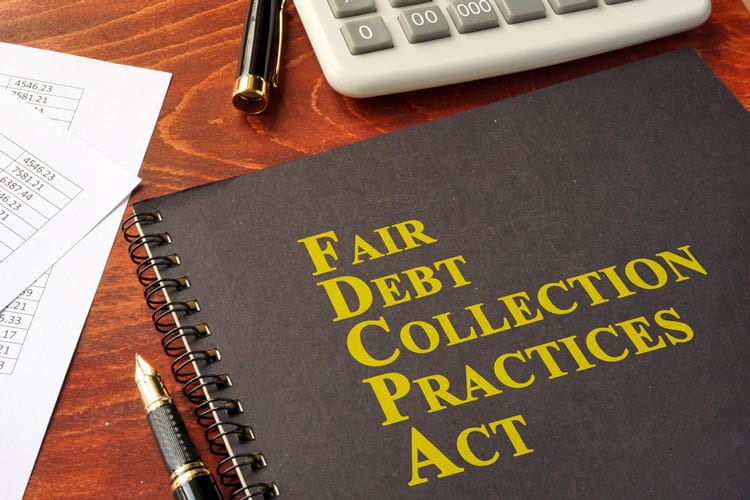
Debt collection is a regulated process and in many jurisdictions, there are strict legal frameworks designed to prevent abusive practices. The Federal Trade Commission (FTC) notes that the Fair Debt Collection Practices Act (FDCPA) prohibits third-party debt collectors from using deceptive or threatening tactics. If you are struggling to pay, the most effective approach is to maintain open, documented communication with the parties involved rather than avoiding contact.
Avoiding collectors often exacerbates the problem, leading to increased legal costs or potential judgments. Instead, experts suggest verifying the debt, understanding the statute of limitations, and—if necessary—seeking professional credit counseling. Organizations such as the National Foundation for Credit Counseling (NFCC) provide resources for individuals to build a sustainable budget and negotiate with creditors directly.
Navigating Credit Rejection
Being denied a credit product is often a reflection of your credit score, which serves as a metric for lenders to assess risk. If you are unable to secure a loan, it is vital to obtain your credit report to identify errors or areas for improvement. Under federal law in the United States, you are entitled to a free credit report from each of the three major credit bureaus—Equifax, Experian, and TransUnion—every twelve months via AnnualCreditReport.com.
Improving your credit standing is a process that requires consistency. Focus on paying down existing balances, ensuring that all future payments are made on time, and avoiding new applications for credit that could result in “hard inquiries” on your report. For many, the path to financial recovery involves shifting from high-interest debt to more manageable repayment structures, often facilitated by non-profit credit counseling services.
Key Takeaways for Financial Recovery
- Verify the Debt: If a collection agency contacts you, request written validation of the debt to ensure it is accurate and that you are the correct party responsible.
- Know Your Rights: Familiarize yourself with local consumer protection laws, such as the FDCPA, to identify what actions collectors are legally permitted to take.
- Seek Professional Guidance: Non-profit credit counseling agencies offer structured plans to help manage debt and improve your overall financial health.
- Review Your Credit Report: Regularly monitor your credit history to identify and dispute any inaccuracies that may be negatively impacting your score.
Moving Forward: What Happens Next
The path to financial stability is rarely linear, but it is manageable with a proactive strategy. The first milestone in any financial recovery plan is to establish a clear picture of your total liabilities. Once you have a comprehensive list of debts, you can prioritize them based on interest rates or legal urgency. If you are facing immediate legal action from a creditor, it is advisable to seek legal counsel or contact a legal aid society in your area.
Financial institutions and regulatory bodies frequently update their guidance on consumer debt. It is recommended to check the official websites of your national financial regulatory authority for the most recent advisories on debt relief programs and borrower protections. By taking documented, incremental steps toward repayment, you can gradually reduce the pressure of collections and work toward restoring your access to credit.
If you have questions or wish to share your experiences with navigating these systems, please join the conversation in the comments section below. Our editorial team welcomes your insights on how you have managed similar financial challenges.
Worth a look