
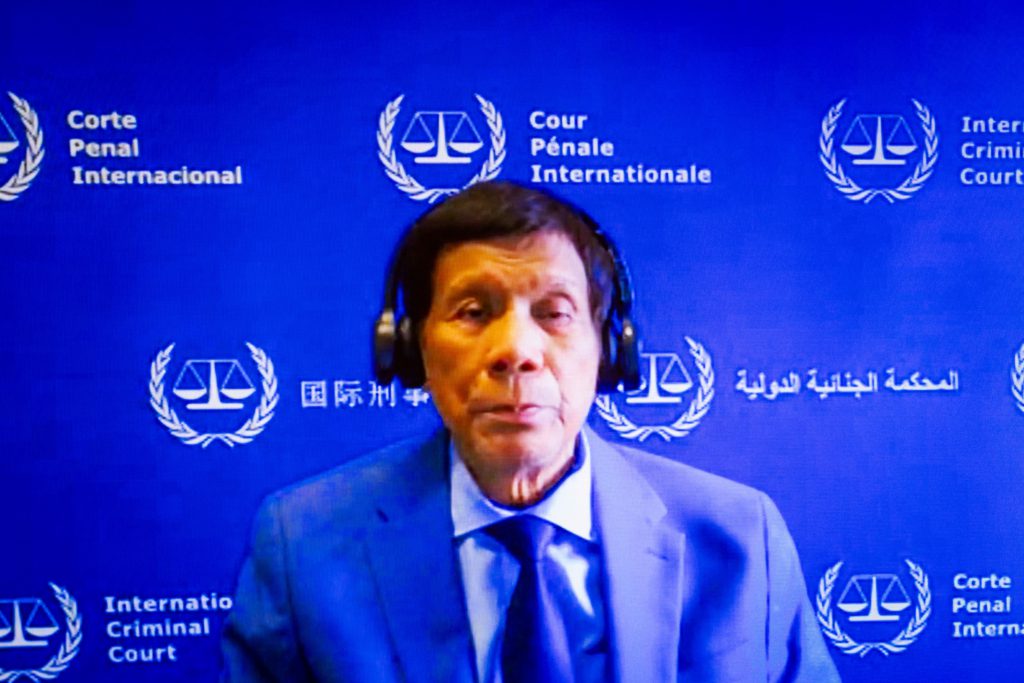
Former Philippine President Rodrigo Duterte will face trial at the International Criminal Court on charges of murder and attempted murder as crimes against humanity, following the confirmation of jurisdiction by the ICC Appeals Chamber on April 22, 2026. The decision paves the way for full trial proceedings after years of legal challenges regarding the court’s authority over alleged crimes committed during his administration’s anti-drug campaign.
The ruling marks a significant development in a case that has drawn international attention since Duterte’s surrender to the ICC in March 2025. After his initial appearance on March 14, 2025, he has remained in detention in the Netherlands while proceedings advanced through preliminary stages. The confirmation came after a January 2026 determination by a Pre-Trial Chamber, following medical review, that he is fit to stand trial.
Ritz Lee Santos, Director of Amnesty International Philippines, welcomed the decision as a long-awaited step toward accountability for victims of the “war on drugs.” She emphasized that the proceedings represent not a political matter but a response to widespread and systematic killings that disproportionately affected poor and marginalized communities. According to Santos, the ICC’s action affirms that those responsible for alleged crimes against humanity will eventually face justice, even if delayed.
The case centers on allegations that thousands of people were unlawfully killed during Duterte’s presidency from 2016 to 2022, many by police or individuals linked to law enforcement. Human rights organizations, including Amnesty International, have documented patterns of extrajudicial executions that they assert meet the legal threshold for crimes against humanity under international law.
In addition to charges against Duterte himself, the ICC has identified eight other individuals as alleged co-perpetrators in a redacted version of the case documents released on February 13, 2026. No further arrest warrants have been issued publicly as of April 2026, though the court continues to investigate potential crimes linked to both the national anti-drug campaign and the Davao Death Squad during Duterte’s tenure as mayor of Davao City from 2011 to 2016.
Legal proceedings have been marked by repeated challenges from Duterte’s defense team, including objections to the ICC’s jurisdiction, the legality of his detention, and concerns about his fitness to participate in trial. The January 2026 medical assessment that cleared the way for the current ruling was conducted by independent experts appointed by the court.
The confirmation of jurisdiction means the trial will now proceed to address the core allegations: that Duterte bears responsibility for murder and attempted murder as crimes against humanity. Under the Rome Statute, such charges require proof of widespread or systematic attacks directed against a civilian population, with knowledge of the broader context of the abuse.
Victims’ families and survivors have long advocated for accountability, citing years of ineffective domestic investigations and what they describe as a culture of impunity within Philippine law enforcement. Santos noted that the ICC’s involvement became necessary precisely because national authorities failed to pursue meaningful action against those responsible for the killings.
Moving forward, the ICC will need to ensure that victims have the right to participate in the proceedings and that witnesses are adequately protected, as outlined in the court’s rules of procedure and evidence. These safeguards are considered essential to the integrity of the trial process, particularly in cases involving powerful figures and allegations of state-linked violence.
While the April 22 ruling confirms that the case can proceed, no trial date has been set as of this reporting. The next phase will involve pre-trial preparations, including evidence disclosure and further legal motions, before opening statements can start. Observers note that the complexity of the case and the high-profile nature of the defendant may extend the preparatory stage.
The international community continues to monitor the proceedings closely, viewing them as a test of the ICC’s ability to address alleged crimes committed in the context of national anti-drug policies. For human rights advocates, the confirmation of charges represents not only a legal milestone but also a validation of the persistent efforts by victims’ families to seek truth and accountability.
As the case advances, attention will remain focused on how the court balances procedural fairness with the gravity of the allegations, and whether the trial can deliver the measure of justice that survivors have sought for years.
For updates on the proceedings, readers can refer to the official ICC website and its public registry of case documents.
We welcome your thoughts on this development. Share your perspective in the comments below and support keep the conversation going.