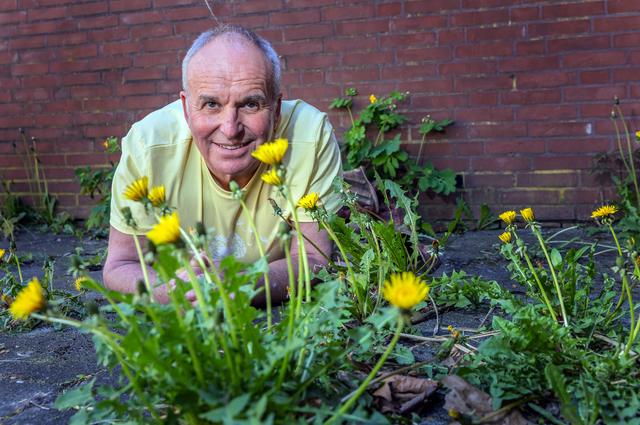
On Sunday, April 26, 2026, botanist Karst Meijer emphasized during the annual ‘Dag van de paardenbloem’ that dandelions are unfairly dismissed as weeds despite their critical ecological role. The event, held for the sixth consecutive year, aims to shift public perception of the plant often targeted for removal in lawns and public spaces.
Meijer, owner of the private Herbarium Frisicum museum in Wolvega, stated that 107 of the 339 bee species studied in the Netherlands visit dandelions, making them a vital food source for pollinators. He likewise noted the plant supports night moths and specialized insects such as the dandelion mite, gall wasp, and a rare dandelion bee.
Speaking to Dagblad van het Noorden, Meijer explained that the dry spring of 2026 caused grass to grow more slowly, making dandelions more visible, yet municipalities continue early mowing — in his hometown of Westerveld, mowing occurred as early as March 23 — which eliminates early-blooming species and worsens insect decline.
Historically overlooked, dandelions were scarcely preserved in herbaria as noted by researcher J.L. Van Soest in 1939. Today, over 200 dandelion species have been documented in the Netherlands, with Meijer suggesting the actual number may be significantly higher with further research.
His advice to homeowners is practical: depart dandelions standing by doorways or in pavement cracks unless they pose a genuine hazard or crowd out other plants. He criticized commercial herbicide branding that uses the dandelion as a symbol of weed control, arguing this reinforces negative public perception.
Meijer’s message remains consistent: give dandelions space to support bee and biodiversity health. The ‘Dag van de paardenbloem’ continues to be observed on the last Sunday of April each year to advocate for overlooked plants.