
Huawei Powers Singapore’s Largest Shopping Mall with Zero-Touch Solar Inverter Technology
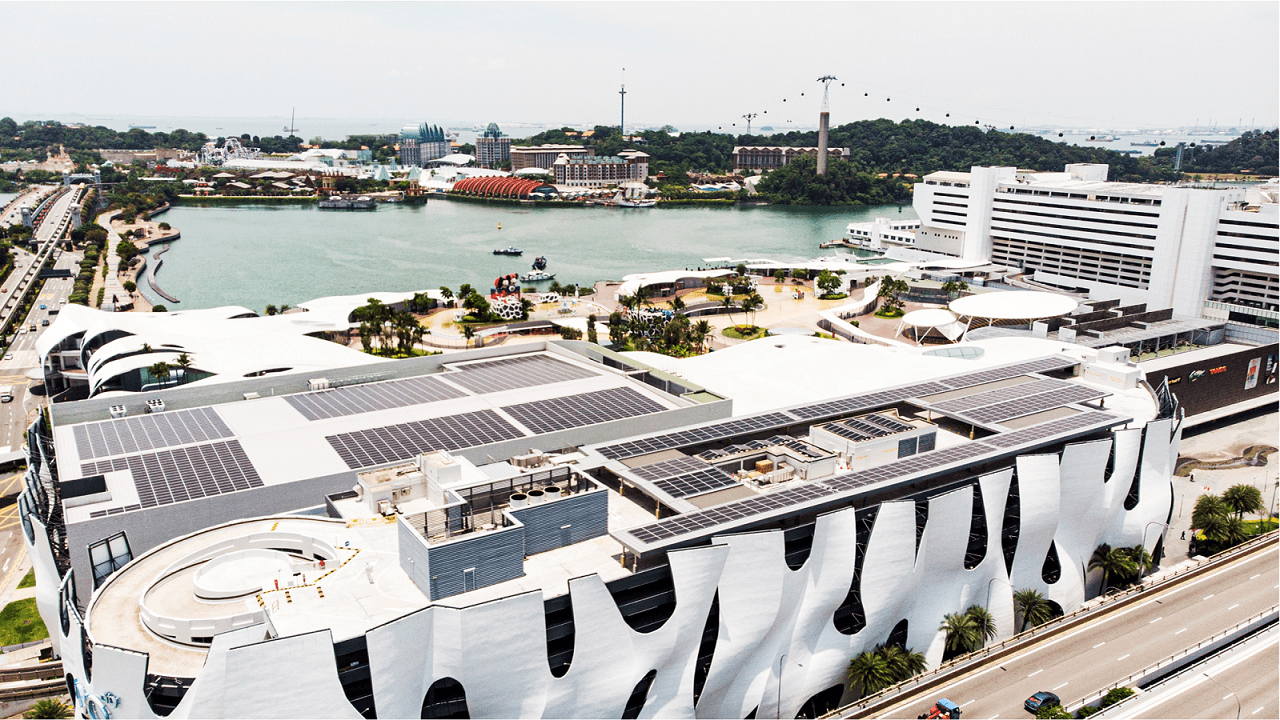
Singapore’s iconic VivoCity shopping center has achieved a novel milestone in sustainable energy management, becoming the first major retail hub in the city-state to deploy Huawei’s zero-touch solar inverters. The 830 kW system, installed across the mall’s rooftop and carpark canopies, marks a significant step forward in Singapore’s push for high-efficiency renewable energy solutions in urban environments.
Linda Park, Technology Editor at World Today Journal, reports that the project leverages Huawei’s SUN2000 smart string inverters, designed to maximize energy yield whereas minimizing maintenance requirements. The system’s “zero-touch” maintenance capability—enabled by AI-driven diagnostics and remote monitoring—eliminates the need for on-site interventions, reducing operational costs and downtime for one of Southeast Asia’s busiest commercial properties.
VivoCity, which spans 1.5 million square feet and attracts over 20 million visitors annually, is a flagship project for Singapore’s Green Plan 2030. The mall’s solar installation is expected to generate approximately 1.1 million kWh of clean energy per year, offsetting roughly 500 metric tons of carbon dioxide emissions—equivalent to planting 8,000 trees, according to estimates from the Energy Market Authority of Singapore.
Huawei’s Smart Solar Technology: How It Works
The 830 kW system at VivoCity utilizes Huawei’s FusionSolar platform, which integrates several cutting-edge features:
- AI-Powered Optimization: The SUN2000 inverters use machine learning to adjust to real-time weather conditions, ensuring maximum energy harvest even during Singapore’s frequent cloud cover.
- Arc Fault Circuit Interrupter (AFCI): Huawei’s intelligent AFCI technology detects and mitigates electrical arcs within milliseconds, reducing fire risks—a critical safety feature for densely populated urban spaces.
- Remote Diagnostics: The system’s cloud-based monitoring allows Huawei engineers to identify and resolve issues without physical site visits, a capability that has reduced maintenance-related downtime by up to 40% in similar deployments.
- Modular Design: The inverters are paired with Huawei’s LUNA2000 battery storage system, enabling the mall to store excess solar energy for use during peak demand hours or grid outages.
A spokesperson for Mapletree Investments, VivoCity’s owner and developer, confirmed that the project aligns with the company’s commitment to achieving net-zero carbon emissions by 2050. “This installation is a testament to how smart technology can make sustainability practical for large-scale commercial properties,” the spokesperson said in a press release issued in March 2026.
Why VivoCity’s Solar Project Matters for Singapore
Singapore’s limited land area has long posed challenges for renewable energy adoption, but the city-state is increasingly turning to innovative solutions like floating solar farms and rooftop installations. VivoCity’s project is part of a broader trend, with the government targeting 1.5 GWp of solar capacity by 2025—enough to power 260,000 households annually.

Huawei’s role in this transition is particularly noteworthy. The Chinese tech giant has positioned itself as a leader in smart solar solutions, with over 12 GW of installed capacity in Singapore alone. The company’s inverters are already in use at several high-profile sites, including:
- The 60 MWp floating solar farm at Tengeh Reservoir, one of the world’s largest, where Huawei’s technology achieved a 5.6% higher energy yield compared to traditional inverters, according to a PUB Singapore report.
- The Sunseap Group’s offshore floating solar projects, which use Huawei’s string inverters to withstand harsh marine conditions.
- Changi Airport’s rooftop solar installations, which contribute to the airport’s goal of becoming carbon-neutral by 2030.
“Singapore’s solar ambitions require technology that is not just efficient but also resilient,” said Dr. Thomas Reindl, Deputy CEO of the Solar Energy Research Institute of Singapore (SERIS). “Huawei’s zero-touch maintenance approach is a game-changer for urban solar, where space constraints and high foot traffic make traditional maintenance logistically challenging.”
Challenges and Future Outlook
While VivoCity’s solar project has been hailed as a success, it has not been without challenges. Initial concerns about the system’s compatibility with Singapore’s humid climate were addressed through Huawei’s tropicalized inverter models, which feature enhanced corrosion resistance and thermal management. The project required close coordination with local regulators to ensure compliance with Singapore’s strict electrical safety standards.
Looking ahead, Mapletree Investments plans to expand solar installations across its portfolio, with similar projects slated for its industrial and office properties. “The VivoCity model is scalable,” said the company’s spokesperson. “We’re already exploring opportunities to replicate this success in other markets, including Hong Kong and Malaysia.”
For Huawei, the VivoCity project reinforces its growing influence in Southeast Asia’s renewable energy sector. The company is currently in discussions with several Singaporean developers to deploy its smart solar solutions in residential and mixed-use developments, further supporting the city-state’s green transition.
Key Takeaways
- First of Its Kind: VivoCity is the first major shopping mall in Singapore to deploy Huawei’s zero-touch solar inverters, setting a new standard for urban renewable energy projects.
- Energy and Emissions Impact: The 830 kW system is expected to generate 1.1 million kWh annually, offsetting 500 metric tons of CO₂ emissions.
- AI and Safety: Huawei’s AI-driven optimization and AFCI technology enhance both efficiency and safety, critical for high-traffic urban environments.
- Scalability: The project’s success paves the way for similar installations across Mapletree’s portfolio and other commercial properties in Singapore.
- Government Alignment: The installation supports Singapore’s Green Plan 2030, which aims for 1.5 GWp of solar capacity by 2025.
What’s Next?
Mapletree Investments is expected to release a detailed performance report on the VivoCity solar project in Q3 2026, which will include data on energy yield, maintenance savings, and carbon reduction. Meanwhile, Huawei continues to expand its smart solar portfolio, with new inverter models slated for release later this year that promise even higher efficiency and lower maintenance requirements.

For readers interested in Singapore’s renewable energy initiatives, the Energy Market Authority’s solar dashboard provides real-time updates on the country’s solar capacity and generation. Those looking to explore Huawei’s solar solutions can visit the company’s FusionSolar website for more information.
Have you visited VivoCity recently? What do you think of Singapore’s push for solar energy in urban spaces? Share your thoughts in the comments below, and don’t forget to share this article with anyone interested in sustainable technology and smart cities.