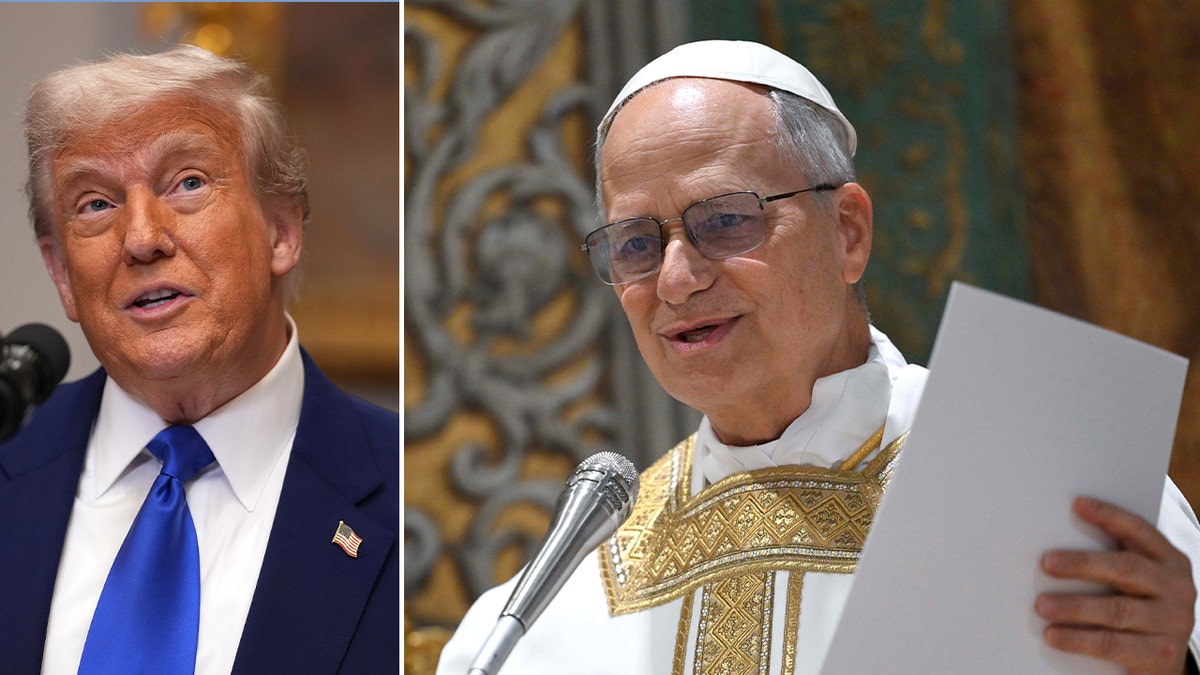
In a move that has sent ripples through the diplomatic community, Pope Leo XIV has issued a blistering condemnation of Donald Trump’s recent rhetoric regarding Iran. The Pope Leo XIV rebuke of Trump comes as a stark intervention in a period of extreme volatility, with the Pontiff describing threats to target the Iranian state as a bridge too far for global peace.
The Vatican’s intervention centered on a specific and alarming threat made by Trump to destroy Iran’s “whole civilization.” In a statement that observers are calling the stiffest rebuke the Pope has ever issued toward the former president over war threats, Leo XIV characterized the rhetoric as “truly unacceptable.”
The timing of the rebuke is particularly striking, as it was delivered only hours before news of a cease-fire began to emerge. This sequence of events suggests a moment of peak tension followed by a rapid diplomatic shift, highlighting the precarious nature of current international relations in the Middle East.
The Vatican’s Stand Against ‘Civilizational’ Threats
The core of the dispute lies in the language used by Donald Trump, who suggested the potential destruction of not just military assets, but the “whole civilization” of Iran. Such language moves beyond traditional military strategy and enters the realm of cultural and existential erasure, a point that clearly galvanized the Holy See.
:max_bytes(150000):strip_icc():focal(999x0:1001x2)/pope-leo-xiv-050825-9-1f856aa9fabd4f97a913fde4974eb4f7.jpg)
Pope Leo XIV’s decision to label these threats as “truly unacceptable” marks a significant departure from more cautious diplomatic language often employed by the Vatican. By focusing on the concept of “civilization,” the Pope is framing the issue not as a political disagreement between nations, but as a moral crisis involving the preservation of human heritage and the sanctity of life regarding the denunciation of threats against Iran.
For a global audience, this rebuke underscores the Vatican’s role as a moral arbiter in international affairs. When the Papacy speaks out against “war threats” with such intensity, it often signals a broader international consensus that certain boundaries of political discourse have been crossed.
Timing and the Looming Cease-Fire
The chronology of these events adds a layer of complexity to the narrative. The Pope’s strong words were made public just hours before reports surfaced that a cease-fire was being established. Even as the exact causal link between the Vatican’s rebuke and the cease-fire remains unconfirmed, the proximity of the two events is too close for diplomats to ignore.
This rapid transition—from threats of civilizational destruction to the news of a cease-fire—illustrates the high-stakes environment of modern geopolitics. The intervention by Pope Leo XIV may have served as a critical moral pressure point, or it may have simply mirrored a shift in the diplomatic winds that was already occurring behind closed doors concerning the timing of the papal rebuke.
What This Means for Global Stability
The impact of the Pope Leo XIV rebuke of Trump extends beyond the immediate conflict with Iran. It establishes a precedent for how the Catholic Church will respond to rhetoric that threatens the existence of entire cultures or civilizations. In an era of increasing polarization, the Vatican is positioning itself as a defender of global cultural plurality.
Stakeholders in this development include:
- International Diplomats: Who must now navigate the intersection of U.S. Political rhetoric and Vatican moral authority.
- The Iranian Government: Which may view the Pope’s support as a significant diplomatic victory on the world stage.
- Global Religious Communities: Who look to the Pope to define the moral limits of political leadership.
Analysis: The ‘Stiffest Rebuke Yet’
To understand why this is being called the “stiffest rebuke yet,” one must look at the history of Vatican-U.S. Relations. While the Church often encourages peace, it rarely uses language as direct or as critical as “truly unacceptable” when addressing a specific political leader’s war threats on the severity of the Pope’s warning.
The shift from general pleas for peace to a specific denunciation of a leader’s rhetoric suggests a change in strategy. By naming the threat and the target, Pope Leo XIV has moved from the role of a mediator to that of a critic, signaling that certain types of war rhetoric are no longer tolerable under the guise of national security.
| Event | Context/Detail |
|---|---|
| Trump’s Threat | Warning to destroy Iran’s “whole civilization.” |
| Papal Intervention | Pope Leo XIV calls the threat “truly unacceptable.” |
| Diplomatic Shift | Reports of a cease-fire emerge hours later. |
As the world monitors the fragile cease-fire, the Vatican’s stance remains a critical component of the broader conversation on how to prevent regional conflicts from escalating into total war. The focus now shifts to whether this moral rebuke will lead to a permanent change in the rhetoric used by global powers.
The next confirmed checkpoint for this developing story will be the official confirmation and terms of the cease-fire agreement, which are expected to be detailed in upcoming diplomatic briefings.
We invite our readers to share their thoughts on the Vatican’s role in modern diplomacy in the comments below. Please share this report to keep the global community informed.
Related reading
- Une violente bagarre éclate en Outremeuse à Liège : deux personnes hospitalisées – DHnet
- 2026 WA 陸上競技 ヨーロッパ選手権 – バーミンガム、イギリス | 結果 – Olympics.com
- Rescission Packages, Explained: The Route Trump Bypassed (daybreakwire.com)
- Trump’s Luxury Air Force One: Rushed Retrofit Raises Safety and Cost Concerns (archynewsy.com)