
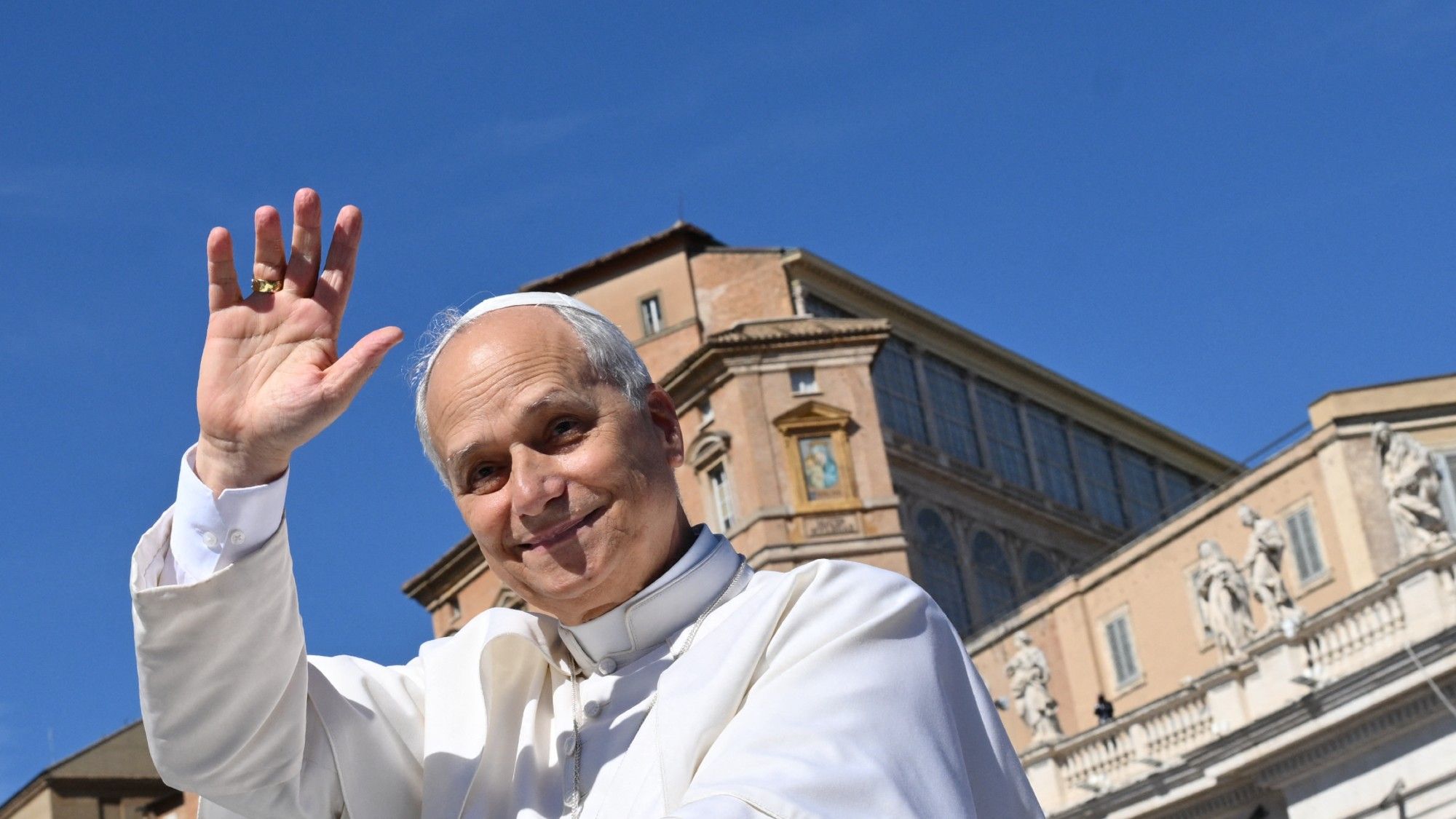
Pope Leo XIV arrived in the central African nation of Cameroon on Wednesday, April 15, 2026, carrying a message of peace to a country grappling with deep political divisions and separatist violence. The arrival in the capital, Yaounde, was met with enthusiastic crowds who lined the roads from the airport, dancing and waving palm fronds as the papal motorcade passed. Many women wore identical bright dresses and held banners representing their parishes, while billboards throughout the city displayed images of the pope and President Paul Biya under the slogan “Land of Hope.”
The visit is a critical stop on the first-ever African tour by a U.S.-born pope. Coming from Algeria, the first leg of his four-nation journey, Leo XIV is engaging with leadership in a region where the Vatican has signaled a clear disapproval of authoritarian governance. The visit is expected to center on the correct employ of political authority and the urgent need to combat corruption within the mineral-rich nation.
Central to the visit is the Pope’s meeting with President Paul Biya at the presidential palace in Yaounde. At 93 years old, Biya is currently the world’s oldest leader and has maintained a grip on power since 1982. The meeting takes place against a backdrop of significant domestic unrest and international scrutiny over Biya’s extended tenure, which was recently prolonged for an eighth term following a widely disputed election.
Diplomatic Tension and the Disputed Election
The atmosphere surrounding the papal visit is charged by a contentious political climate. The election held on October 12 has been fiercely contested by the opposition. Issa Tchiroma Bakary, Biya’s primary rival, has claimed victory in the polls and has urged Cameroonians to reject the official results, calling for what he describes as an authentic democracy.
The Vatican’s presence arrives at a time when the legitimacy of the current administration is being questioned both internally and externally. While the Pope’s visit is framed as a mission of peace, the underlying themes of political authority and ethical governance directly intersect with the current crisis of legitimacy facing the Biya administration. According to reports from AP via Local 10, the Vatican has emphasized that Catholic social teaching is fundamentally opposed to the types of authoritarian leadership the Pope is encountering during this tour.
Separatist Violence and the Call for Peace
Beyond the capital’s political disputes, the Pope’s visit coincides with a fragile moment of respite in Cameroon’s separatist regions. Separatists have announced a three-day pause in fighting to mark the arrival of Pope Leo XIV, a gesture that highlights the perceived moral authority of the papacy in mediating conflict.
The separatist conflict has long plagued the region, and the Vatican hopes that the Pope’s message of peace will provide a foundation for more permanent stability. The timing of the pause suggests a willingness among combatants to acknowledge the Pope’s influence, though the long-term viability of such a ceasefire remains uncertain given the depth of the grievances in the separatist territories.
Economic Integrity and Political Authority
From a governance and economic perspective, the Vatican has identified corruption as a primary theme for the visit. Cameroon is a mineral-rich country, yet the mismanagement of these resources and the lack of transparency in political authority have hindered broad-based economic progress.
The Pope’s focus on “fighting corruption” is not merely a moral plea but a recognition of how systemic graft undermines the rule of law and economic stability. For a nation with significant natural wealth, the insistence on the “correct uses of political authority” suggests that the Vatican views ethical leadership as a prerequisite for sustainable development and social peace.
Adjustments to the Papal Program
The visit has not been without last-minute logistical shifts. The Vatican confirmed that Cameroon authorities made a late change to the official schedule. Originally, the prime minister was slated to deliver a speech before the Pope addressed government authorities, civil service representatives, and diplomats. However, it was decided that President Biya himself would deliver the address, and the venue was moved from a conference center to the presidential palace.

Following his diplomatic engagements with the state, Pope Leo XIV is scheduled to visit an orphanage managed by a Catholic religious order of nuns, shifting the focus from the halls of power to the country’s most vulnerable populations.
Key Takeaways of the Papal Visit
- Focus on Governance: The Vatican is using the visit to highlight the necessity of fighting corruption and ensuring the ethical use of political power.
- Political Instability: The visit occurs amidst a disputed October 12 election, with rival Issa Tchiroma Bakary contesting President Paul Biya’s eighth term.
- Fragile Peace: Separatists have implemented a three-day pause in fighting to coincide with the Pope’s arrival.
- Historic Milestone: This marks the first visit to the African continent by a U.S.-born pope.
- Leadership Longevity: The visit underscores the tension between the Vatican’s social teachings and the 44-year rule of 93-year-old President Paul Biya.
The next confirmed checkpoint in the Pope’s itinerary is his address to government authorities and diplomats, followed by his visit to the Catholic-run orphanage in Yaounde.
We invite our readers to share their perspectives on the intersection of faith and diplomacy in the comments below.
Keep reading