
The Northern Mariana Islands are currently grappling with the aftermath of a catastrophic weather event after a powerful super typhoon flipped over cars and ripped away roofs on US islands in the Pacific Ocean. The storm, identified as Super Typhoon Sinlaku, tore through the region with a barrage of fierce winds and relentless rains, leaving a trail of widespread destruction across Saipan, Tinian, and Rota.
As of Wednesday, April 15, 2026, local authorities have begun the daunting task of assessing the damage. Although the storm’s intensity has started to wane as it moves north, the scale of the impact is evident in the toppled utility poles and impassible roads that have paralyzed much of the region. Despite the severity of the landfall, officials have reported no deaths thus far according to reports from the islands.
Super Typhoon Sinlaku has distinguished itself as the strongest tropical cyclone on Earth so far this year. The storm’s trajectory brought it directly over the remote U.S. Territories, testing the resilience of local infrastructure and the readiness of emergency services. From the military installations on Guam to the residential hubs of Saipan, the Pacific region has faced a meteorological event of rare intensity.
Devastation in the Northern Mariana Islands
The brunt of the storm’s fury was felt in the Northern Mariana Islands, where Sinlaku first made landfall on Tuesday night local time. The storm continued to batter the islands throughout Wednesday, bringing winds that reached sustained speeds of up to 150 mph as reported by the National Weather Service.
On Saipan, the largest of the Mariana Islands and home to approximately 43,000 people, the damage is extensive. Local officials report that power is out across significant portions of the island, and many primary roads remain impassible due to debris and structural failures according to local officials. The wind’s force was sufficient to flip vehicles and tear tin roofs from buildings, creating hazardous conditions for residents and first responders.
Jaden Sanchez, a spokesperson for the Saipan mayor’s office, noted that while conditions had improved roughly 24 hours after the typhoon rattled the islands, the area remained windy and rainy. The focus has now shifted to recovery, though the sheer volume of debris and the loss of power continue to hamper initial cleanup efforts.
Guam Braces for Tropical-Force Impacts
While the Northern Mariana Islands took a direct hit, Guam—a U.S. Territory and home to several American military installations and roughly 170,000 residents—was not expected to suffer a direct strike from the eye of the storm according to the National Weather Service.
However, the sheer size of the system meant that Guam was not spared. The island experienced tropical storm-force wind gusts and heavy rain hours before the storm’s arrival in the Marianas. The National Weather Service warned that Guam could still spot damaging winds, and the storm’s outer bands contributed to widespread flooding and rain that complicated logistics for the military bases stationed there.
Guam’s Office of Civil Defence issued warnings regarding the potential for destructive winds and power outages, emphasizing that even without a direct hit, the system remained extremely dangerous as stated by the agency.
The Strongest Storm of 2026: A Meteorological Breakdown
Super Typhoon Sinlaku’s development and intensity have made it a subject of intense study for meteorologists. The storm formed on April 9, 2026, and rapidly intensified as it moved across the Pacific according to the Associated Press. By Monday, April 13, the Joint Typhoon Warning Center recorded sustained winds of 173 mph (278 kph), cementing its status as the most powerful storm of the year to date.
Meteorologists tracked the storm as it approached the islands of Rota, Tinian, and Saipan. On Tuesday, the system was located approximately 68 nautical miles (126 km) southeast of Saipan, moving at a slow pace of about 14 km/hour (9 mph) according to the US Joint Typhoon Warning System. This slow movement likely exacerbated the amount of rainfall and the duration of wind exposure for the islands.
While the storm was expected to weaken slightly over time, it maintained the strength of a Category 4 or 5 typhoon as it crossed the islands as noted by lead meteorologist Joshua Schank. Even as it began to pull away, it remained a formidable system, with winds of 125 mph recorded late Wednesday night.
Storm Intensity Timeline
| Date (2026) | Event/Status | Wind Speed / Detail |
|---|---|---|
| April 9 | Storm Formation | Initial development in the Pacific |
| April 13 | Peak Intensity | 173 mph (278 kph) sustained winds |
| April 14 | Landfall (Marianas) | Sustained winds up to 150 mph |
| April 15 | Departure | 125 mph winds as it moved north |
Recovery Efforts and Current Trajectory
The immediate priority for the U.S. Territories is the restoration of essential services. With power outages widespread and roads blocked, the focus is on clearing transit routes to allow aid and repair crews to reach the most affected areas of Saipan and Tinian.
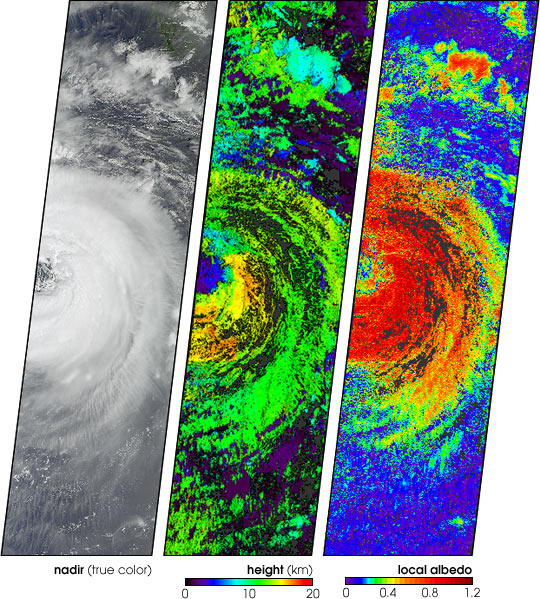
As of late Wednesday, the National Weather Service reported that Super Typhoon Sinlaku is pulling away to the north from the islands of Saipan, Tinian, and Rota according to weather service data. The storm is expected to curve toward the far northern Marianas, an area consisting of sparsely populated volcanic islands.
While the immediate threat to the major population centers has diminished, the environmental impact—including potential landslides from heavy rain and the long-term loss of utility infrastructure—will likely require weeks of recovery efforts. Residents are encouraged to remain cautious as cleanup begins and to follow official advisories from the National Weather Service and local civil defense offices.
The next confirmed checkpoint for the region will be the official damage assessment reports expected from the Saipan mayor’s office and the U.S. Territory administration as they finalize the count of impacted structures and infrastructure losses.
We invite our readers to share their thoughts or any verified information regarding the recovery efforts in the comments below. Please share this report to keep others informed about the situation in the Pacific.
Keep reading