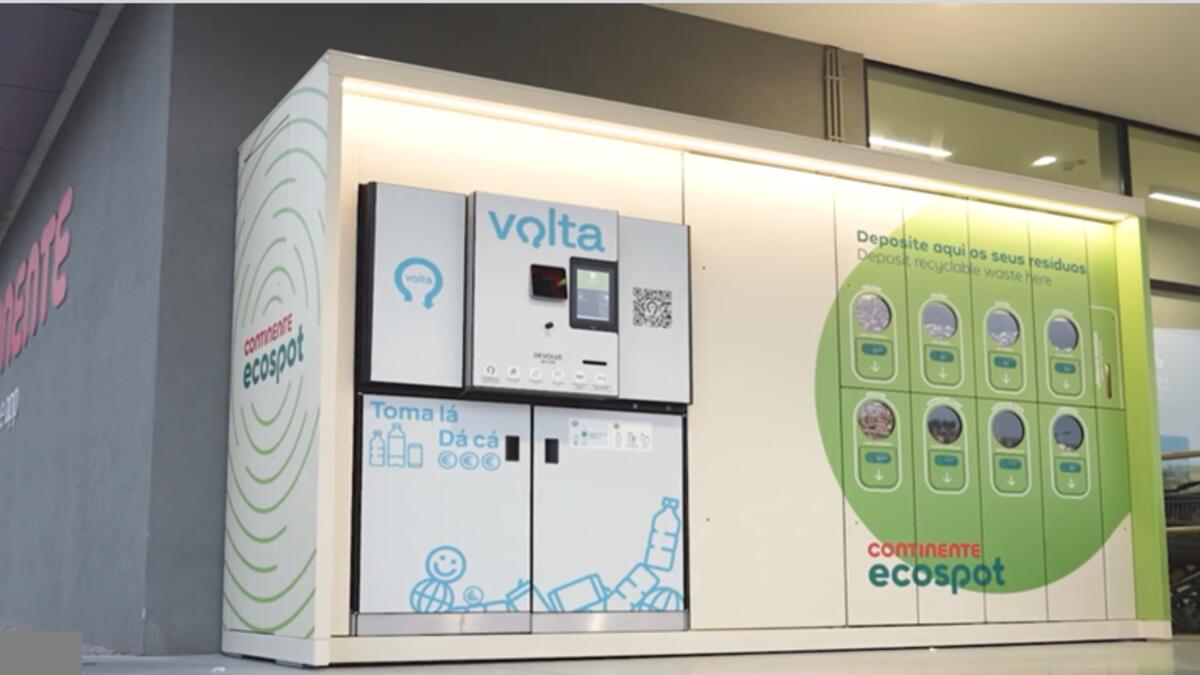
Portugal is taking a significant step toward a circular economy as it introduces a recent deposit-refund system designed to curb packaging waste. This initiative marks a shift in how consumers interact with single-use containers, placing a direct financial incentive on the act of recycling to ensure that more materials are recovered from the environment.
At the heart of this transition is a new cost structure for beverage containers. According to recent reports, a plastic bottle refund system Portugal is being implemented, which will see the price of plastic bottles increase by ten cents. This additional amount serves as a deposit that consumers can reclaim by returning the empty containers to designated collection points.
The system is not limited to plastic; reports indicate that the refund mechanism extends to metal packaging as well. By integrating both plastic and metal containers into a single reimbursement framework, the initiative aims to streamline the collection of high-value recyclables and reduce the volume of litter in public spaces and natural habitats.
The Financial Shift: A 10-Cent Incentive for Recycling
The introduction of a ten-cent deposit represents a tangible change for the average shopper. While the upfront cost of a beverage increases, the amount is fully recoverable. This “deposit and return” model is designed to transform waste into a resource, encouraging consumers to view empty bottles not as trash, but as a small financial asset.
The primary objective of this system is to increase the purity and volume of collected materials. By providing a clear monetary reward, the government and participating retailers hope to achieve higher recovery rates for plastic and metal, which are critical components in reducing the reliance on virgin plastics and mined ores.
Digital Transformation: Lidl’s Mobile Approach to Refunds
As the infrastructure for these refunds rolls out, some major retailers are leveraging technology to reduce friction for the consumer. Lidl is reportedly betting on a 100% digital refund process, introducing a new mobile functionality that allows users to manage their reimbursements through a smartphone app.
This digital-first strategy aims to eliminate the need for physical vouchers or cash payouts at the point of return, aligning the recycling process with modern consumer habits. Such innovations are part of a broader corporate effort to modernize sustainability practices. For instance, Lidl International has publicly committed to protecting the climate and working toward net-zero emissions, recognizing the role of large food retailers in managing greenhouse gas emissions.
Divergent Views: Environmentalists Weigh In
While the move toward a refund system is generally seen as a positive step for environmental sustainability, it has sparked debate among advocacy groups regarding its scope. The association Quercus has welcomed the system, viewing the reimbursement for bottles and cans as a victory for waste reduction and material recovery.
But, not all environmental organizations are entirely satisfied. The organization Zero has criticized the system, arguing that it fails by excluding glass containers from the refund mechanism. The contention is that by focusing only on plastic and metal, the system misses an opportunity to create a comprehensive loop for all common beverage packaging materials.
Key Impacts of the Refund System
| Feature | Detail |
|---|---|
| Affected Materials | Plastic and metal packaging |
| Deposit Amount | Ten cents per plastic bottle |
| Refund Method | Physical return / Digital options (e.g., Lidl mobile app) |
| Primary Goal | Increase recycling rates and reduce litter |
The success of this system will likely depend on the ease of the return process and the widespread adoption of digital tools by retailers. As Portugal integrates these measures, the focus remains on whether the financial incentive is sufficient to alter long-term consumer behavior and if the system will eventually expand to include other materials like glass.
Official updates regarding the full nationwide rollout and any potential expansions to the list of eligible materials are expected as the system matures. We will continue to monitor the implementation of these environmental policies and their impact on the retail sector.
Do you think a ten-cent deposit is enough to change recycling habits? Share your thoughts in the comments below or share this article with your network to start the conversation.
Worth a look