Beyond the Sirens: When Firefighters Become Midwives in Portugal
The flashing lights and urgent rush of a fire truck typically signal emergency response to fires or accidents. Though, in the Portuguese municipality of Moita, those same vehicles are increasingly becoming mobile delivery rooms. Remarkably,local firefighters have assisted in fifteen births this year alone,a trend highlighting both the dedication of first responders and systemic challenges within the country’s healthcare access.
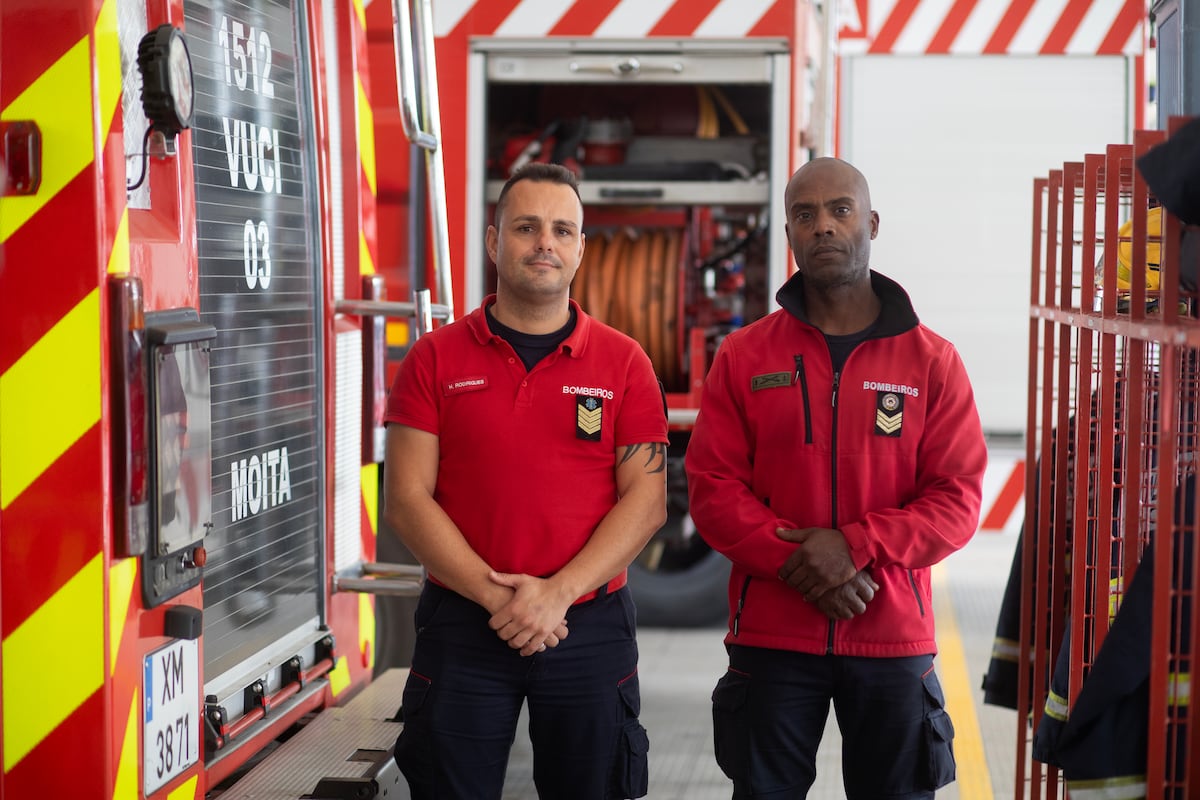
It’s a deeply emotional experience for those involved. Hugo Rodrigues, a firefighter, describes a unique blend of joy and obligation when helping bring a new life into the world.Every birth has thankfully had a positive outcome, though not without moments of intense pressure.
One case stands out as particularly harrowing. Responding to a call, the team found a woman already in labor on the ground, her husband unconscious beside her, all while rain poured down. After delivering the first baby, thay discovered a second – unexpectedly in cardiac arrest. Fortunately, their swift intervention successfully revived the infant.Rodrigues, having assisted in seven or eight births over the years, considers this the most challenging.
But why are so many births happening en route to the hospital? According to Commander Ferreira, the issue stems from a combination of factors. Firstly,many expectant mothers are forced to travel critically important distances to reach medical facilities. This increases the likelihood of labor beginning during transport.
Secondly, the demographic makeup of moita plays a role. the area is home to a considerable immigrant population, and regrettably, some women don’t receive consistent prenatal care.Often, they delay seeking assistance until labor has already begun, or are even unaware of their pregnancy. One recent case involved a woman from Guinea who called wiht abdominal pain, only to deliver a baby she didn’t even know she was carrying – without the benefit of a prior ultrasound to determine the baby’s position.
This situation presents a complex paradox for the firefighters. Paulo Medina, a veteran of three such deliveries, explains the conflicting emotions. While he’s proud to have brought three babies into the world,he’d prefer these situations didn’t occur at all.
Consider this: you’re facing a high-stakes situation with two lives in your hands. While hospitals are equipped to handle complications, an ambulance offers far fewer resources. The potential for things to go wrong is substantially higher.
Here’s a breakdown of the key issues at play:
* Geographic Barriers: Long distances to hospitals increase the risk of births occurring during transport.
* Healthcare Access: Limited prenatal care for some immigrant populations contributes to late-stage labor calls.
* Unforeseen Pregnancies: Lack of awareness or early detection of pregnancy leads to unexpected deliveries.
* Resource Limitations: Ambulances are not ideal birthing environments, increasing risks for both mother and child.
The increasing number of ambulance births even prompted inquiries from the health ministry. It’s a clear signal that a deeper examination of healthcare access and resource allocation is needed. Ultimately, while the firefighters of Moita are admirably stepping up to the challenge, the goal should be to ensure every expectant mother has access to the care she needs, before she needs to deliver on the side of the road. You deserve a safe and supported pregnancy journey, and that starts with accessible healthcare for all.
Keep reading