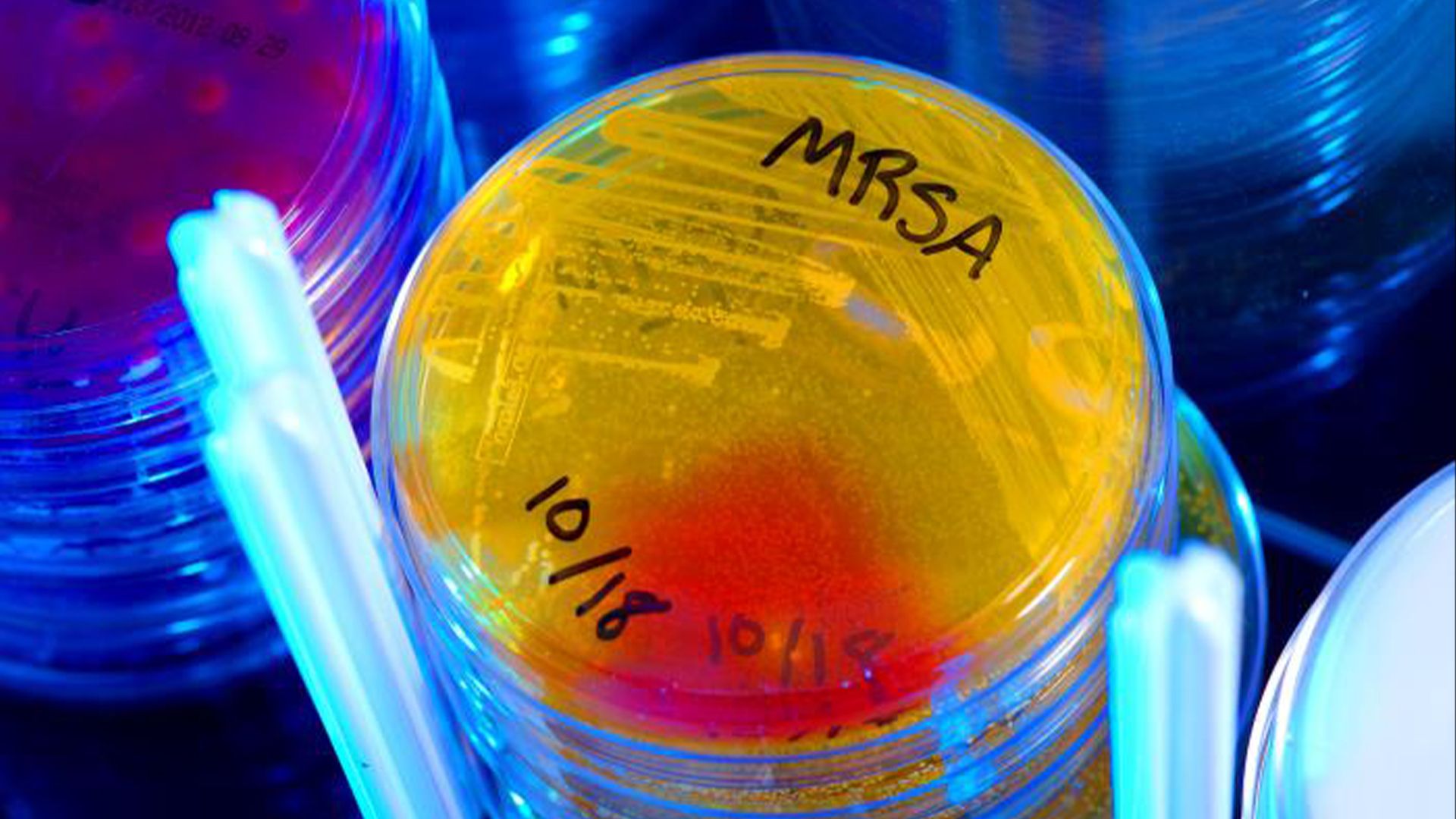
A Promising New Antibiotic Candidate Shows Initial Resistance-Defying Potential
The escalating crisis of antibiotic resistance demands a constant search for novel antibacterial agents. Recent research offers a glimmer of hope with pre-methylenomycin C lactone, a newly identified molecule demonstrating potent antibacterial activity without promptly triggering the progress of resistance – a critical advantage in the fight against superbugs. Let’s delve into what makes this finding meaningful and what the next steps are in bringing this potential life-saver to fruition.
The growing Threat of Antibiotic Resistance
you’ve likely heard about the increasing prevalence of antibiotic-resistant bacteria. This happens when bacteria evolve defense mechanisms against drugs designed to kill them, rendering those drugs ineffective.This evolution is a natural process, but the overuse and misuse of antibiotics have dramatically accelerated it, creating a serious public health threat. Infections once easily treated are becoming increasingly challenging, and sometimes impractical, to cure.
Why is Finding New Antibiotics So Difficult?
Developing new antibiotics is a complex and challenging process. Here’s a breakdown of the hurdles:
* Resistance Develops quickly: Bacteria are masters of adaptation. Even new antibiotics frequently enough face rapid resistance development.
* High Development Costs: Bringing a new drug to market is incredibly expensive, often exceeding billions of dollars.
* Regulatory Hurdles: Stringent safety and efficacy requirements add to the time and cost.
* Limited Financial Incentives: Antibiotics are often used for short courses, offering lower profit margins compared to drugs for chronic conditions.
A Novel Approach: Pre-methylenomycin C Lactone
Researchers at the University of Warwick, led by Dr.Fatma Alkhalaf and Professor Christopher Challis, have been investigating naturally produced molecules with antibacterial properties. Their focus isn’t just on finding compounds that kill bacteria, but on identifying those that avoid triggering rapid resistance.
Their recent study, published in Nature Microbiology, focused on E. faecium, a bacterium notorious for its antibiotic resistance. The team exposed the bacteria to increasing concentrations of pre-methylenomycin C lactone over 28 days. Remarkably, the bacteria didn’t evolve any significant resistance mechanisms. the drug maintained its effectiveness, a truly encouraging result.
What Makes this Molecule Diffrent?
The key lies in the molecule’s unique mechanism of action. While the exact target within the bacterial cell is still being investigated, the initial findings suggest it operates differently than many existing antibiotics. This novel approach appears to circumvent the common pathways bacteria use to develop resistance.
The Road Ahead: From Lab to Potential Drug
While these initial results are promising, significant work remains before pre-methylenomycin C lactone can become a viable treatment. Here’s what the research team is focusing on next:
* Expanding the Scope: Testing the molecule against a wider range of bacterial strains is crucial.
* Long-Term Studies: Evaluating the drug’s effects over extended periods will help determine if resistance eventually develops.
* Chemical Synthesis: Currently, the molecule is produced by microbes. Collaborating with synthetic chemists like Dr.David Lupton at Monash university, the team aims to create a scalable chemical synthesis route. this will allow for larger-scale production for further research.
* Understanding the Mechanism: Pinpointing the precise biological target(s) within the bacteria is essential for optimizing the molecule’s effectiveness.
* Safety and Efficacy Testing: Rigorous testing is needed to ensure the drug is safe for human use and effectively treats infections in vivo (within a living organism).
Expert Viewpoint: A Cautious Optimism
Dr. Stephen Cochrane, a medicinal chemist at queen’s University belfast, emphasizes the distinction between antibacterial activity and a fully developed antibiotic. “Its a really nice study and a lesson: if you isolate novel molecules, look for novel activities with those molecules,” he states. However, he rightly points out the significant challenges of translating this promising compound into a drug that is:
* Bioavailable: Persists long enough in the body to be effective.
* Non-Toxic: Safe for human use.
* Resistance-Proof: Remains effective over time.
The Future of Antibiotic Discovery
The story of pre-methylenomycin C lactone underscores the importance of exploring novel
Worth a look