
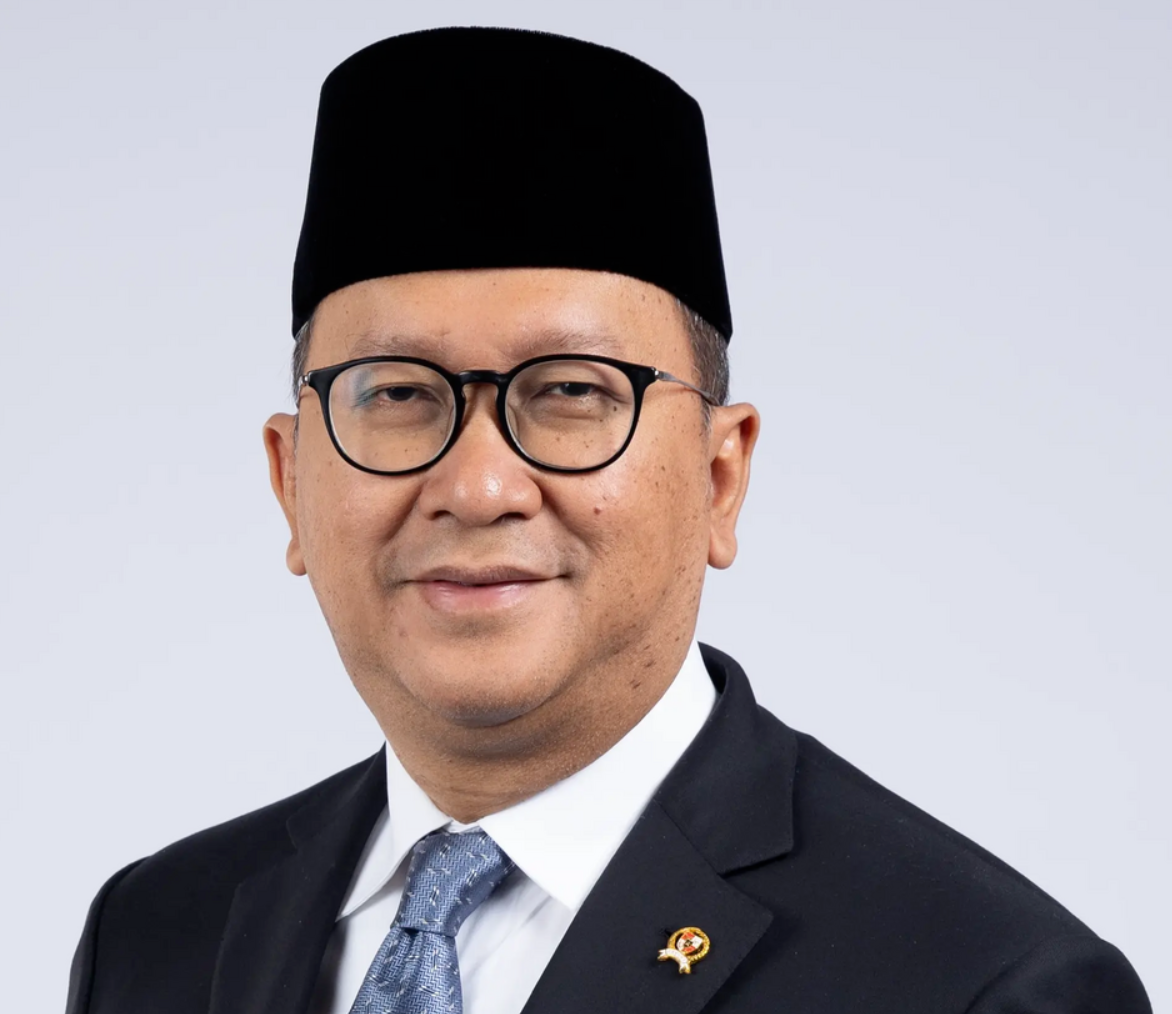
President Prabowo Subianto received a report from Minister of Investment and Downstreaming Rosan Roeslani on April 21, 2026, detailing the realization of investment in the first quarter of 2026 reaching Rp 498.79 trillion. This figure exceeds the initial target of Rp 497 trillion by 100.36%, marking a 7.22% year-on-year increase compared to the same period in 2025.
The investment realization was presented during a limited meeting at the Hambalang Presidential Complex, where Rosan Roeslani also reported that labor absorption in the first quarter of 2026 reached 706,569 workers, an increase of 18.93% from the same period in the previous year. Domestic investment (PMDN) contributed Rp 247.53 trillion, or 49.98% of the total, while foreign investment (PMA) reached Rp 249.94 trillion, equivalent to 50.02% of the total investment realized.
The largest share of foreign investment came from Singapore, amounting to US$4.6 billion (equivalent to Rp 78.79 trillion at an exchange rate of Rp 17,128 per US$), followed by Hong Kong (US$2.7 billion), China (US$2.2 billion), the United States (US$1.7 billion), and Japan (US$1 billion). Rosan Roeslani emphasized that 29% of the total investment realized is directed toward downstream industries, particularly in basic metal industries such as smelters.
The report was delivered alongside several other ministers from the Red and White Cabinet, underscoring the government’s continued focus on achieving its long-term investment target of Rp 13,000 trillion by 2029. This goal remains a central pillar of Indonesia’s economic strategy under the current administration, aiming to strengthen industrial capacity and job creation through strategic investment in priority sectors.
Investment Performance Exceeds Target in Q1 2026
According to the official report submitted to President Prabowo, the Rp 498.79 trillion investment realization in the first quarter of 2026 represents not only a surpassing of the quarterly target but also a significant acceleration in investment inflow compared to the previous year. The 7.22% year-on-year growth reflects renewed confidence among both domestic and foreign investors in Indonesia’s economic outlook and policy environment.
Minister Rosan Roeslani attributed the performance to improved coordination between central and regional authorities, streamlined licensing through the Online Single Submission (OSS) system, and targeted incentives for downstream industries. He noted that the exceeding of the target was achieved despite global economic uncertainties, highlighting the resilience of Indonesia’s investment climate.
The minister further explained that the strong showing in domestic investment, which accounted for nearly half of the total, indicates growing confidence among local businesses in expanding operations and upgrading facilities. This trend is seen as critical for reducing reliance on imports and building a more self-sufficient industrial base.
Foreign Investment Led by Singapore, Downstreaming at 29%
Foreign investment inflows were dominated by Singapore, which contributed US$4.6 billion, or Rp 78.79 trillion, making it the largest single source of foreign capital in Q1 2026. This was followed by investments from Hong Kong, China, the United States, and Japan, collectively underscoring Indonesia’s continued appeal as a destination for regional and global capital.
Rosan Roeslani emphasized that 29% of the total investment realized in the quarter is classified as downstreaming — meaning the funds are directed toward processing and value-added industries rather than raw material extraction. He specifically cited the basic metal industry, including nickel smelters and steel production, as a primary beneficiary of this trend, aligning with national efforts to move up the value chain in commodity exports.
The focus on downstreaming is part of a broader strategy to increase the economic value derived from Indonesia’s natural resources, reduce export of unprocessed minerals, and create higher-skilled jobs in industrial zones across Java, Sumatra, and Sulawesi.
Labor Absorption Rises Sharply in Q1 2026
Alongside investment figures, the minister reported that labor absorption in the first quarter of 2026 reached 706,569 individuals, marking an 18.93% increase compared to the same period in 2025. This rise in employment is directly linked to the expansion of manufacturing and infrastructure projects funded by the realized investment.
The majority of new jobs were concentrated in industrial regions, particularly West Java, East Java, Banten, and Central Java, where new factories and industrial parks have been developed under public-private partnerships. The increase in hiring reflects both the scale of new projects and the labor-intensive nature of downstream industrial activities.
Rosan Roeslani stated that the government remains committed to ensuring that investment translates into tangible job opportunities for Indonesian workers, particularly through skills training programs aligned with industry needs. He added that monitoring mechanisms are in place to track the quality and sustainability of employment generated by new investments.
Progress Toward Rp 13,000 Trillion Investment Target by 2029
The Q1 2026 investment realization contributes to Indonesia’s cumulative progress toward the national target of attracting Rp 13,000 trillion in investment by 2029. While the minister did not disclose the total accumulated investment to date, the strong quarterly performance suggests the country is on track to meet or exceed its annual investment goals.
This long-term target, first introduced during the previous administration and retained under President Prabowo, serves as a benchmark for measuring economic transformation through industrialization, infrastructure development, and technological upgrading. Achieving it would require sustained annual investment inflows of approximately Rp 2,167 trillion.
To support this objective, the government continues to improve the investment climate through regulatory reforms, infrastructure spending, and active promotion via investment missions abroad. Recent efforts have included diplomatic engagements in Japan and South Korea, where Minister Rosan Roeslani reportedly secured investment commitments worth over USD 40 million.
Official Sources and Next Steps
The details of the investment report were confirmed through official statements made by Minister Rosan Roeslani during a press briefing following his meeting with President Prabowo on April 21, 2026. The information was disseminated through verified government channels and reported by authoritative domestic news outlets present at the event.
The next official update on investment performance is expected at the conclude of the second quarter of 2026, when the Coordinating Ministry for Economic Affairs is scheduled to release a comprehensive review of investment realization, employment impact, and downstreaming progress. Stakeholders are advised to monitor the official website of the Investment Coordinating Board (BKPM) and the Ministry of Investment for formal announcements and data releases.
For ongoing coverage of Indonesia’s economic policy, investment trends, and industrial development, readers are encouraged to follow updates from World Today Journal’s Business section, which provides regular analysis of global and regional market developments with a focus on emerging economies.
Related reading