
The silence that follows the loss of a child during pregnancy or shortly after birth is often one of the most profound and isolating experiences a parent can endure. For many, the world continues to move forward while their own lives have come to a devastating standstill. This specific form of grief—often referred to in German-speaking communities as the loss of a Sternenkind, or “star child”—requires a nuanced, compassionate approach that transcends standard medical care.
Navigating the emotional wreckage of perinatal loss is rarely a linear process. It involves a complex intersection of physical recovery, hormonal shifts and the psychological trauma of a future suddenly erased. In this delicate space, the role of a specialized grief companion becomes essential. Marion Topp is one such professional, dedicated to accompanying parents who have lost their children during pregnancy, at the moment of birth, or in the fragile days that follow.
As a physician and health journalist, I have seen how clinical environments, while necessary for physical safety, can sometimes overlook the deep emotional void left by a pregnancy loss. The transition from the anticipation of parenthood to the reality of bereavement is a precipice that few are prepared to navigate alone. Support systems like those provided by Marion Topp are not merely helpful; they are a critical component of the healing trajectory for grieving families.
Understanding the Spectrum of Perinatal Loss
To understand the necessity of specialized support, one must first acknowledge the diverse and painful forms that pregnancy loss can take. Perinatal loss is an umbrella term that encompasses several distinct experiences, each carrying its own unique psychological weight. Miscarriage, which typically occurs before the 20th week of pregnancy, often suffers from a societal lack of recognition, leaving parents to grieve in a “hidden” manner. According to the Mayo Clinic, the emotional impact of miscarriage can be as severe as any other form of loss, yet it is frequently minimized by others.
Stillbirth and neonatal death—where a baby is lost late in pregnancy or shortly after birth—present a different set of challenges. In these instances, parents have often already bonded with the child, prepared a nursery, and visualized a lifetime of milestones. The trauma is compounded by the physical experience of labor and delivery without the expected reward of a living child. This “disenfranchised grief” occurs when society does not fully acknowledge the legitimacy of the loss, making the guidance of a trained counselor even more vital.
The Role of the Grief Companion: The Work of Marion Topp
Marion Topp operates as a Trauerbegleiterin, or grief companion, specifically for those mourning star children. Unlike traditional clinical therapy, which may focus on diagnosing and treating a disorder, grief companionship is about “walking alongside” the bereaved. It is a supportive presence that validates the parent’s pain without attempting to “fix” it or rush the healing process.
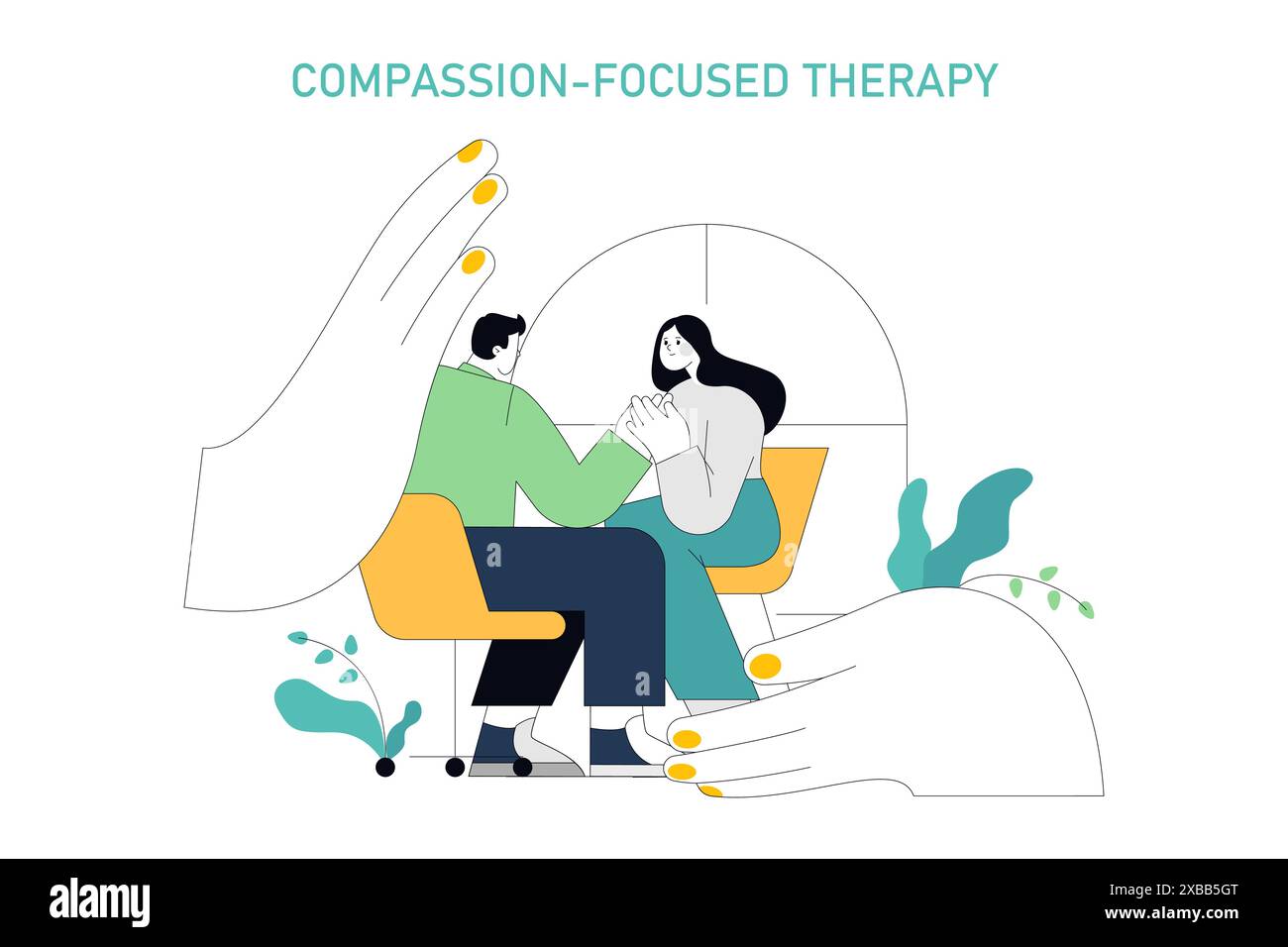
For parents who have experienced a loss during pregnancy or at birth, the immediate aftermath is often a blur of medical terminology and sudden emptiness. Topp’s work involves helping parents find a language for their grief. This may include helping them create memories of their child, navigating the difficult decisions regarding farewell rituals, and providing a safe space to express anger, guilt, and profound sadness.
The essence of this support is the recognition that a “star child” is a member of the family, regardless of how short their time was. By treating the loss with the dignity and gravity it deserves, companions like Topp help parents move from a state of acute trauma toward a sustainable way of living with their loss.
Why Specialized Support Matters for Healing
The psychological impact of losing a child during pregnancy can be catastrophic if left unaddressed. Many parents experience symptoms of post-traumatic stress disorder (PTSD), severe depression, or anxiety. The loss often places an immense strain on the partnership between parents, as individuals may grieve at different speeds or in conflicting styles.
Specialized pregnancy loss support provides several key benefits that general counseling may miss:
- Validation of the Bond: Recognizing that the relationship between parent and fetus is a real and significant bond.
- Navigating Medical Trauma: Helping parents process the often-traumatic experience of hospitalizations, surgeries, or sudden medical emergencies.
- Creating Meaning: Assisting parents in finding a way to honor their child’s existence, which is a crucial step in integrating the loss into their life story.
- Safe Space for “Taboo” Emotions: Allowing parents to express feelings of failure or resentment toward their own bodies without judgment.
Practical Steps for Parents Navigating Loss
If you or a loved one are currently experiencing the loss of a child, it is critical to remember that there is no “correct” way to grieve. However, You’ll see steps that can help stabilize the emotional environment during the earliest stages of bereavement.

First, seek out specialized support. While friends and family mean well, they often lack the tools to handle the intensity of perinatal grief. Connecting with a professional counselor or a support group specifically for pregnancy loss can reduce the feeling of isolation. Second, give yourself permission to grieve physically. The body undergoes a massive hormonal crash following a loss, which can exacerbate feelings of depression and fatigue.
Finally, consider the creation of a tangible memory. Whether it is a piece of jewelry, a planted tree, or a keepsake box, having a physical representation of the “star child” can provide a focal point for mourning and a way to maintain a connection to the child they lost.
Key Takeaways for Grieving Parents
- Your grief is valid: Regardless of the gestational age, the loss of a child is a significant life event that deserves recognition.
- Avoid “comparative grief”: Your experience is unique; do not feel pressured to heal on someone else’s timeline.
- Professional help is a strength: Engaging with a grief companion like Marion Topp is a proactive step toward emotional health.
- Physical recovery is part of the process: Be patient with your body as it heals from the physical trauma of loss.
The journey of a parent who has lost a star child is one of the most difficult paths a human being can walk. However, through the support of dedicated practitioners and a compassionate community, it is possible to find a way forward. The goal is not to “get over” the loss—for such a loss is never truly forgotten—but to learn how to carry it with grace and strength.
For those seeking support or more information on bereavement services, we encourage you to reach out to certified grief counselors or local perinatal support networks in your region.
We invite you to share this article with others who may need this support, or leave a comment below to share your own experiences with grief and healing. Your story may be the light someone else needs to find their way through the dark.