
Shell has reported a significant surge in first-quarter profits, posting adjusted earnings of $6.92 billion as the ongoing conflict in Iran continues to drive global fossil fuel prices higher. The London-listed energy major substantially outperformed market expectations, reflecting a volatile energy landscape defined by geopolitical instability and severe supply chain disruptions.
The financial results, released on Thursday, highlight a sharp increase in profitability compared to previous periods. Shell’s adjusted earnings for the first three months of 2026 rose from $5.58 billion during the same quarter last year and $3.26 billion in the final three months of 2025, according to company financial reports.
This windfall comes at a time of unprecedented tension in the Middle East. Since the start of the U.S. And Israeli-led war against Iran on Feb. 28, energy supermajors have seen a significant boost in their share prices as the market reacts to the risk of prolonged energy shortages and price spikes.
Beating Market Expectations Amid Global Disruption
Shell’s first-quarter performance eclipsed both independent analyst forecasts and the company’s own internal projections. An LSEG-compiled consensus had predicted adjusted earnings of $6.1 billion, while a separate analyst forecast provided by Shell had estimated profits at $6.36 billion. The actual result of $6.92 billion represents a substantial beat that underscores the immediate financial impact of the current energy crisis.
Shell CEO Wael Sawan attributed the strong performance to the company’s internal efficiencies and its ability to navigate a chaotic market. “Shell delivered strong results enabled by our relentless focus on operational performance in a quarter marked by unprecedented disruption in global energy markets,” Sawan said in an official statement, as reported by CNBC.
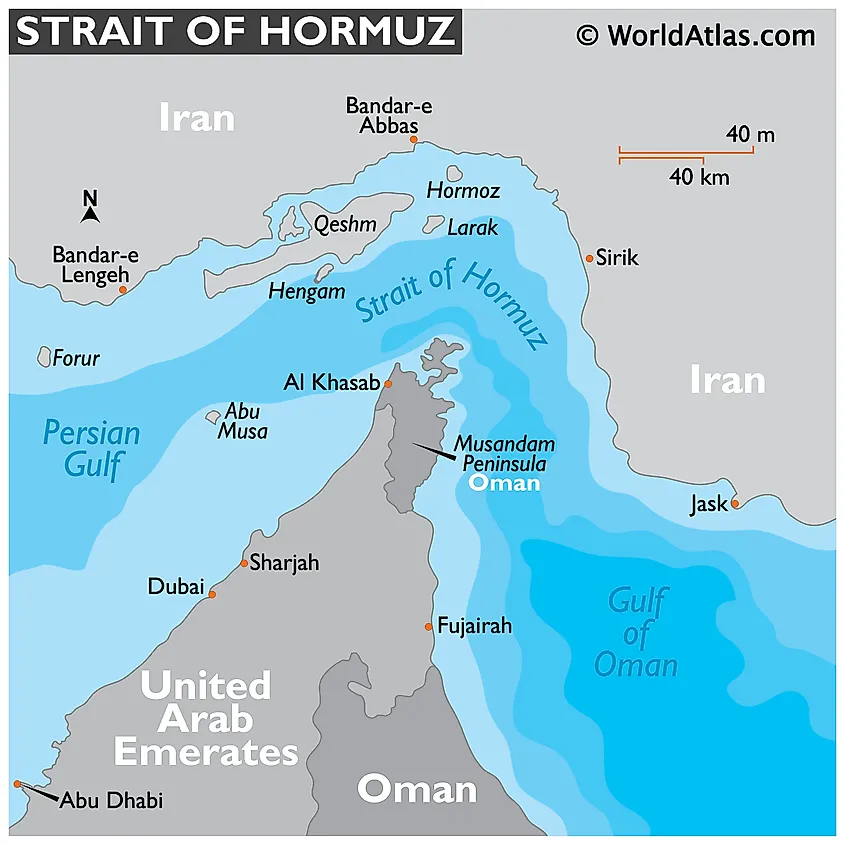
The primary catalyst for this price surge is the instability surrounding the Strait of Hormuz. As a strategically vital maritime chokepoint for global oil and gas shipments, any disruption in this region has immediate global repercussions. The International Energy Agency (IEA) has described the ongoing situation as the biggest energy security threat in history.
Strategic Capital Allocation and Acquisitions
Despite the bumper profits, Shell is adjusting its capital return strategy. The company announced it has cut the pace of its quarterly share buyback to $3 billion, a decrease from the previous $3.5 billion. However, the energy giant continues to reward shareholders through dividends, announcing a 5% increase to $0.3906 per share.
Beyond immediate shareholder returns, Shell is aggressively expanding its asset portfolio. The company recently announced an agreement to acquire the Canadian energy firm ARC Resources in a deal valued at $16.4 billion. This acquisition suggests a strategic pivot toward securing more stable, North American energy assets to hedge against the extreme volatility seen in the Middle East.
The combination of high current earnings and strategic acquisitions positions Shell to capitalize on the prolonged period of high energy prices. For global markets, however, these “bumper profits” are a symptom of a deeper systemic risk: the reliance on a few volatile regions for the world’s primary energy sources.
Key Financial Metrics: Q1 2026
The following data summarizes Shell’s financial position following the first quarter of 2026:
- Adjusted Earnings: $6.92 billion (Exceeding LSEG’s $6.1 billion consensus).
- Year-over-Year Growth: Increase from $5.58 billion in Q1 2025.
- Quarter-over-Quarter Growth: Increase from $3.26 billion in Q4 2025.
- Dividend Update: 5% increase to $0.3906 per share.
- Share Buybacks: Reduced to $3 billion from $3.5 billion.
- Major Acquisition: ARC Resources deal valued at $16.4 billion.
As the conflict in Iran continues to impact the Strait of Hormuz, the energy sector remains the primary beneficiary of the resulting price volatility. The disparity between the humanitarian and geopolitical costs of the war and the financial gains of energy supermajors continues to be a point of intense global scrutiny.
The next major checkpoint for investors and analysts will be the finalization of the ARC Resources acquisition and the subsequent quarterly earnings report, which will reveal if the current price surge remains sustainable as global energy security measures evolve.
Do you believe the current energy price surge is a temporary spike or a long-term shift in global markets? Share your analysis in the comments below.
Keep reading