
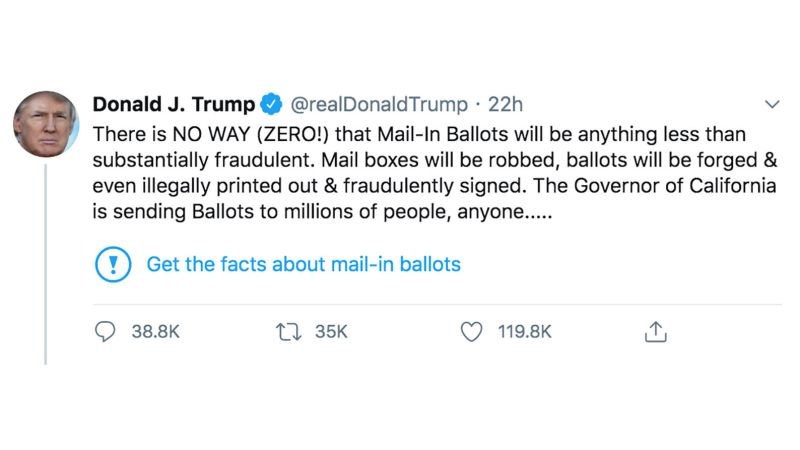
President Trump has issued a series of allegations regarding the integrity of the recent election results in California, claiming that “cheating” has occurred within the state’s electoral process. The President further asserted that a federal probe is currently underway to investigate these claims, a move that has immediately drawn intense scrutiny from election officials and political analysts alike.
The assertions come at a period of heightened political tension, as the administration faces significant challenges regarding its public standing. While the President has not provided specific evidentiary support for these claims of misconduct, the rhetoric has sparked a rapid response from both state-level Democratic leaders and non-partisan election experts, who have characterized the allegations as lacking a factual basis.
For a global audience, these developments represent more than a domestic political dispute; they signal a potential period of institutional friction that could impact the perceived stability of the United States’ electoral framework. As the administration moves to signal federal oversight, the focus shifts to the tension between executive claims and the established protocols of state-led election administration.
Allegations of Electoral Misconduct and Federal Oversight
The core of the President’s challenge centers on the claim that the electoral process in California was compromised. By citing “cheating,” the administration has signaled a direct confrontation with the California Secretary of State’s office and local election registrars. Central to this narrative is the President’s claim that a federal investigation is being mobilized to address these alleged irregularities.
While the announcement of a federal probe suggests a significant escalation in legal and administrative scrutiny, officials have yet to confirm the scope, scale, or specific mandate of any such investigation. The move has been interpreted by many observers as an attempt to exert federal influence over state-governed election processes, a move that sits at the heart of ongoing debates regarding federalism and election law.
Expert Dismissals and Political Pushback
The current wave of allegations was not unexpected among political observers. Prior to the election, several election integrity experts and prominent Democratic leaders in California had expressed concerns that such claims might be forthcoming. These critics have dismissed the recent assertions as “baseless bluster,” suggesting that the rhetoric is a response to the President’s current low approval ratings rather than a reflection of documented electoral fraud.
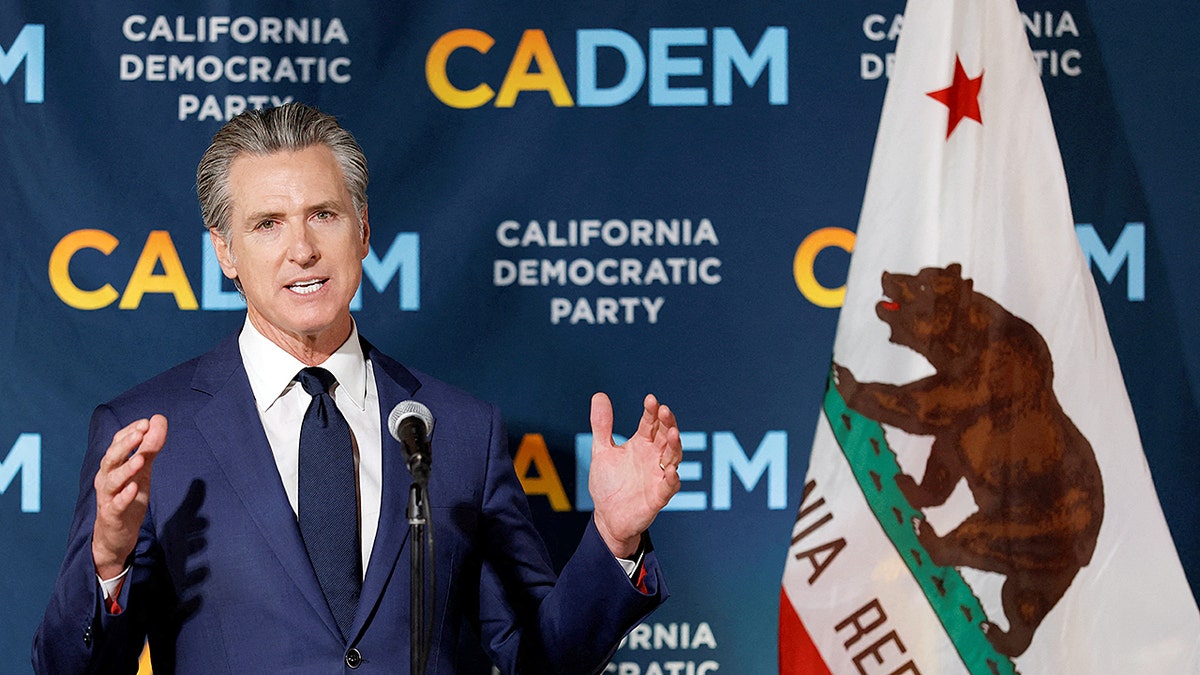
Election experts have pointed out that the mechanisms for verifying vote tallies are robust and designed to withstand such challenges. The dismissal from California’s political leadership emphasizes a fundamental disagreement: the administration views the results through a lens of suspicion, while state officials maintain that the process has adhered to strict legal and procedural standards.
Understanding the California Voting Framework
To understand the friction between the administration and California officials, it is necessary to examine the mechanics of the state’s voting system. California utilizes a widespread mail-in voting model, a system designed to increase voter accessibility but one that often results in a longer period for the final certification of results.
The time required to process, verify, and count mail-in ballots—including the verification of signatures and the processing of provisional ballots—frequently leads to a “delayed” results period. This delay is a standard feature of the administrative process, yet it has become a recurring point of contention for those questioning the legitimacy of the final tallies. The gap between election night and final certification remains a critical window where political rhetoric often meets administrative reality.
The Economic Implications of Political Uncertainty
From a global business perspective, the stability of democratic institutions is a key metric for assessing sovereign risk and market predictability. Repeated challenges to election integrity, regardless of their factual merit, can introduce a layer of political volatility that impacts investor confidence.
When the perceived legitimacy of a government’s mandate is questioned, it can lead to several economic headwinds:
- Market Volatility: Uncertainty regarding policy continuity and the stability of the rule of law can trigger fluctuations in equity and bond markets.
- Institutional Trust: For international investors, the strength of a nation’s institutions—including its judiciary and election bodies—is a cornerstone of long-term economic planning.
- Regulatory Uncertainty: Shifts in political authority or protracted legal battles over election results can delay or complicate the implementation of economic and fiscal policies.
As a business-centric observer, the intersection of political rhetoric and electoral administration carries weight far beyond the borders of California, influencing the broader landscape of global economic stability.
Key Takeaways
- Presidential Claims: President Trump has alleged “cheating” in California and claimed a federal probe is underway.
- Lack of Evidence: No specific evidence or formal documentation has been provided to support the claims of misconduct.
- Expert Reaction: Election experts and Democratic leaders have dismissed the claims as baseless and predicted this rhetoric prior to the election.
- Administrative Context: California’s use of mail-in voting contributes to a longer counting period, which is often a source of political tension.
- Economic Risk: Continued challenges to electoral processes can contribute to political volatility and impact institutional trust.
The next critical checkpoint in this developing story will be the official certification of the California election results by the state’s election authorities. Any formal announcements regarding the parameters of a federal investigation will also be closely monitored by legal and political analysts.
What are your thoughts on the impact of political rhetoric on institutional stability? Share your views in the comments below and share this article with your network.
Related reading