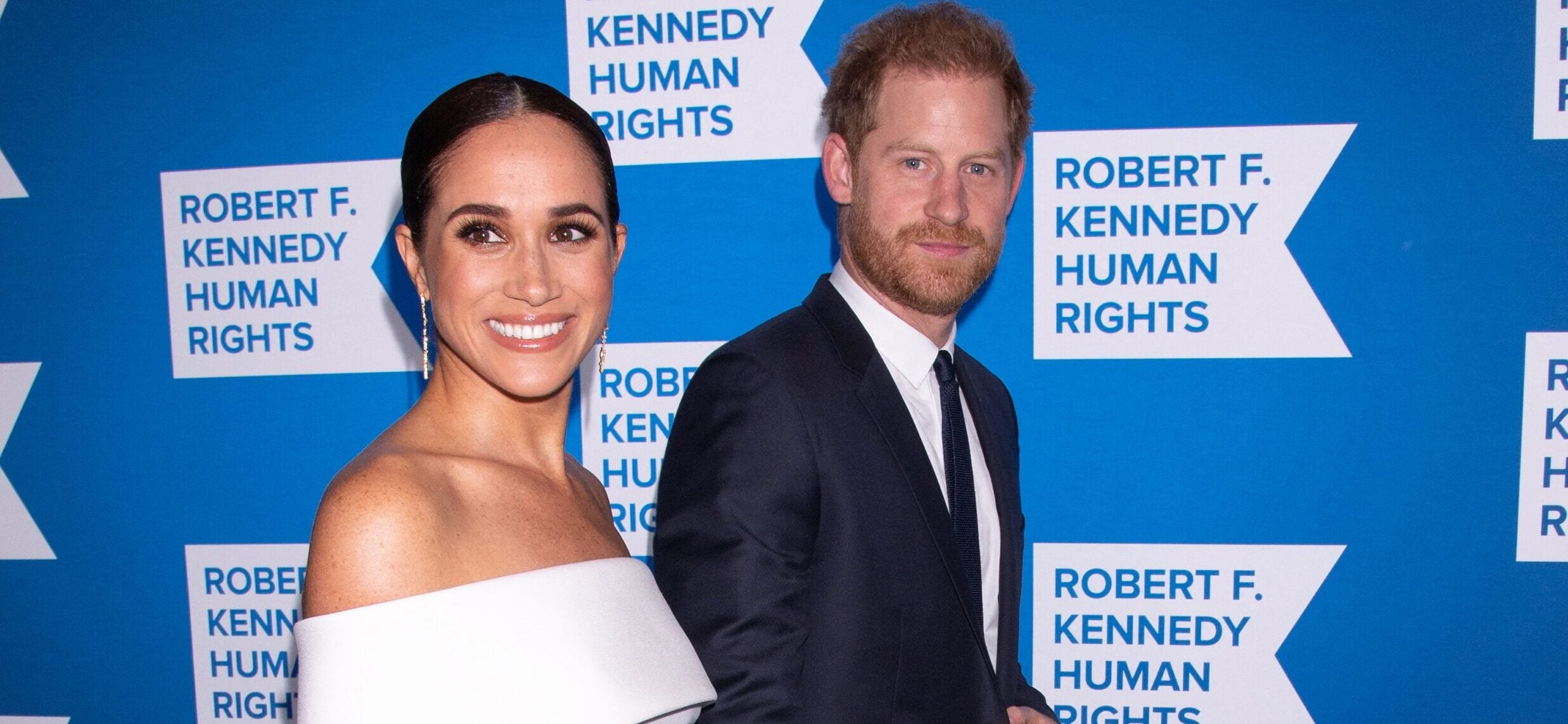
Prince Harry and Meghan Markle’s recent visit to Australia has reignited public debate about their role outside the royal family, with critics questioning the purpose of their privately funded trip and its implications for ongoing tensions within the monarchy. The Duke and Duchess of Sussex arrived in Melbourne earlier this week for a four-day itinerary that blends charitable engagements with commercial appearances, marking their first return to the country since their 2018 royal tour. Unlike that earlier official visit, this trip is self-funded, with the couple traveling commercially from Los Angeles, a detail emphasized by their team to distinguish it from state-sponsored royal duties.
The visit has drawn scrutiny from royal commentators who argue that the mix of philanthropic work and paid appearances creates confusing optics. Kinsey Schofield, a royal analyst cited in multiple outlets, contended that the palace views such trips as disregarding Queen Elizabeth II’s reported stance that there should be no “half-in, half-out” status for members who have stepped back from royal duties. She suggested the couple’s presence in Australia—particularly in paid speaking roles—risks giving the impression of maintaining royal privilege while operating independently, which she described as disrespectful to the institution. Similarly, Helena Chard framed the tour as an effort to promote the Sussex brand that undermines the very monarchy that elevated their global profile.
Adding to the discourse, royal author Robert Hardman noted ahead of the trip that Buckingham Palace aides would likely prefer the Sussexes not to visit but have no formal means to prevent it. He predicted confusion among palace staff about the trip’s intent, given the absence of official ties, and said such visits may “stick in the gullet” of the institution due to their ambiguous nature. These reflections arrive amid persistent reports of strained relationships between Harry and his brother, Prince William, as well as limited communication with King Charles III since the couple’s decision to step back as working royals in 2020.
Despite the criticism, the Sussexes’ representatives have maintained that the trip centers on meaningful work rather than promotion. According to their spokesperson, the visit prioritizes “listening, learning, and supporting communities,” a claim reflected in the couple’s scheduled activities. Prince Harry delivered a keynote address at the InterEdge Summit in Melbourne, where he spoke personally about the lasting impact of losing his mother, Princess Diana, at age 12. He described initially resisting the expectations placed upon him after her death but eventually reframing his role as an opportunity to make a difference—a perspective he has linked to his drive to shield his own family from intense media scrutiny.
Meghan Markle used the same platform to address her experiences with online abuse, stating she had at times felt like “the most trolled person in the entire world, man or woman.” She emphasized her resilience, telling the audience, “I’m still here,” a remark that drew attention for its candidness amid ongoing public discourse about digital harassment. The summit appearance formed part of a broader pattern of engagement during the visit, which included stops at Melbourne’s Royal Children’s Hospital, a women’s shelter, and a veterans’ arts group—activities framed by their team as community-focused.
Additional elements of the itinerary underscored Harry’s ongoing advocacy work. He visited the Australian War Memorial in Canberra and was expected to participate in an Invictus Games-related sailing event, continuing his support for wounded service members through the initiative he founded in 2014. Meghan, meanwhile, was set to headline a women-focused retreat in Sydney, described as a paid appearance that has drawn comment from those monitoring the balance between charitable intent and commercial return.
Royal commentator Richard Fitzwilliams added that while the causes supported by the Sussexes are inherently valuable, the presentation of their trip resembles an actual royal tour despite lacking formal endorsement. He argued this similarity raises concerns within the palace, particularly because the visit occurs in one of King Charles III’s realms and attracts significant global attention. Fitzwilliams also suggested that Prince William would likely oppose any perceived effort by the Sussexes to reposition themselves closer to the monarchy, citing a lack of trust between the brothers.
The combined effect of these engagements has led to a broader conversation about what it means for former working royals to maintain public profiles rooted in their former titles. Critics like Schofield have argued that the couple’s continued relevance stems largely from their association with the royal family, a dynamic the monarchy reportedly views as problematic when paired with independent financial ventures. Supporters, however, point to the tangible outcomes of their visits—such as hospital visits and veterans’ outreach—as evidence of substantive contribution beyond optics.
As of this reporting, neither Buckingham Palace nor the Sussexes’ office has issued an official statement specifically addressing the Australia visit beyond previously shared positions on privacy, financial independence, and the scope of their post-royal work. The trip concludes a short but symbolically charged chapter in the couple’s ongoing navigation of life outside the institutional monarchy, leaving unresolved questions about how such visits will be interpreted moving forward.
For ongoing developments regarding the Duke and Duchess of Sussex’s public engagements and their relationship with the royal family, readers are encouraged to follow official communications from verified sources. Share your thoughts on this story in the comments below, and facilitate others stay informed by sharing this article on social media.
Worth a look