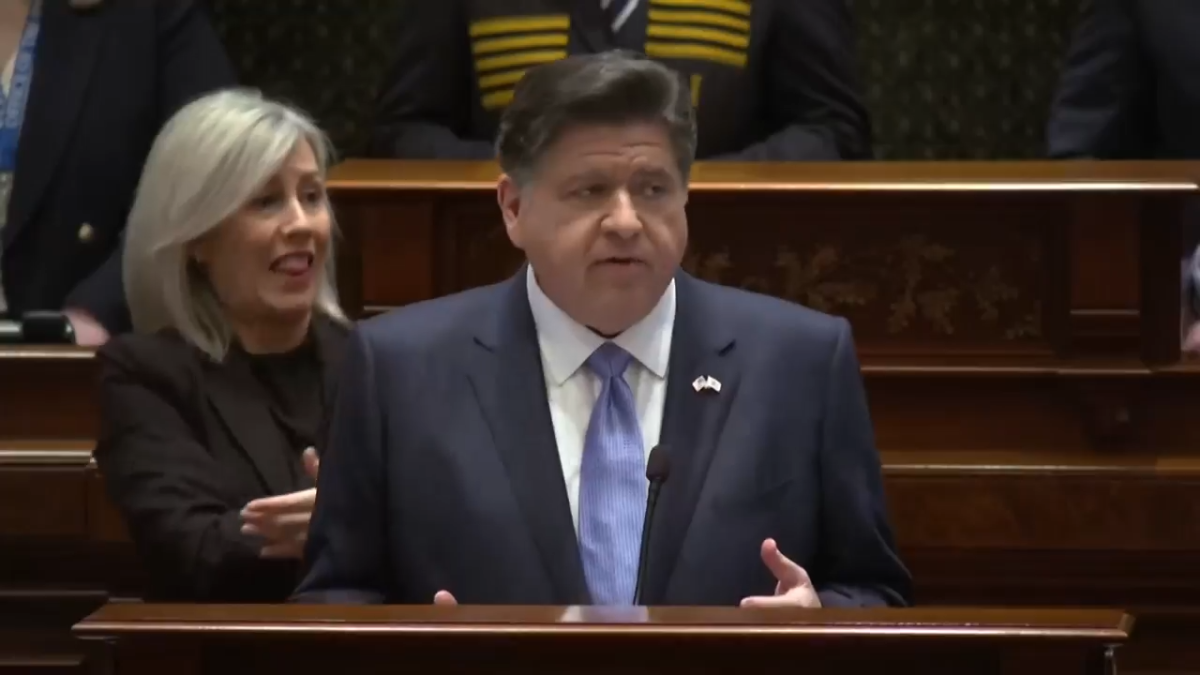
Springfield, Illinois – Illinois Governor J.B. Pritzker proposed a significant shift in the state’s approach to attracting data centers on Wednesday, announcing a two-year pause on new tax credits for these energy-intensive facilities. The move, unveiled during his annual State of the State address, reflects growing concerns over rising electricity costs for residents and the strain placed on the state’s energy grid by the rapid expansion of data center infrastructure. This pause comes amid increasing public and political scrutiny of the environmental and economic impact of these facilities, particularly as demand surges with the growth of artificial intelligence.
Governor Pritzker framed the proposal as a necessary step to protect Illinois families from escalating energy bills. “Affording to have a home is one thing. Affording to live in a home is another… electricity is eating up more and more of household budgets across the country,” he stated. “I am proposing a new two-year pause on new data center tax credits. With all the shifting energy landscape, it is imperative that our growth does not undermine affordability and stability for our families.” The governor’s announcement signals a potential turning point in Illinois’ strategy for economic development, prioritizing affordability for residents alongside attracting large-scale investment.
The proposed moratorium will require approval from the Illinois General Assembly. If enacted, it will halt the authorization of new tax incentives for data centers, effective July 1, 2026. Alongside the pause, Governor Pritzker has directed key state agencies to conduct a comprehensive study of the existing data centers’ impact on the state’s energy grid, consumers, and the overall economy. This assessment will focus on ensuring the long-term financial sustainability of these facilities and a fair allocation of resources. The governor likewise urged the PJM Interconnection LLC, which manages the electricity grid across a large swath of the eastern United States, to require data centers to cover the costs associated with their energy consumption.
Growing Concerns Over Data Center Expansion
The governor’s proposal arrives at a moment of increasing public resistance to data center development across Illinois and the nation. Residents in communities like Naperville and Lisle have voiced concerns about noise pollution, environmental impacts, and the potential for increased strain on local resources. Just last month, the Naperville City Council rejected a proposed data center project after months of debate, demonstrating the growing pushback from local communities. The decision in Naperville highlights a broader trend of communities questioning the benefits of data center development against the potential drawbacks.
These concerns are not unique to Illinois. Similar opposition is mounting in states like Oregon, Virginia, and Indiana, as communities grapple with the rapid proliferation of data centers and their associated demands on energy and water supplies. The increasing demand for computing power, driven by advancements in artificial intelligence and cloud computing, has fueled a surge in data center construction, leading to conflicts with local residents and environmental groups. The debate centers on balancing the economic benefits of these facilities – including job creation and tax revenue – with the potential costs to communities and the environment.
The PJM Grid and Capacity Market Speculation
A key element of Governor Pritzker’s concerns revolves around the structure of the PJM Interconnection, the regional transmission organization that coordinates the movement of electricity in all or parts of 15 states, including Illinois. A January report by an independent monitor revealed that a significant portion of recent electricity cost increases – 61% – is attributable to “speculation on capacity market,” rather than current demand. This report indicates that anticipated future demand from data centers is driving up prices even before those facilities are built. Noah Dormady, an economist at Ohio State University, explained that consumers can expect these capacity prices to continue increasing their electricity bills.
The “capacity market” is a system designed to ensure sufficient electricity generation is available to meet future demand. However, the report suggests that speculation about future data center construction is inflating prices, placing a burden on consumers. Governor Pritzker is calling on PJM to address this issue and ensure that data centers pay their fair share for the capacity they reserve on the grid. This call for reform reflects a broader effort to re-evaluate the economic model governing data center development and its impact on electricity costs.
Industry Response and the POWER Act
The proposed pause on tax credits has drawn criticism from the data center industry. The Data Center Coalition issued a statement arguing that the moratorium “could further discourage investment at a time when the industry is facing significant regulatory challenges and uncertainty in Illinois.” Industry advocates maintain that data centers contribute significantly to the Illinois economy, creating jobs and generating over $1.8 billion in state and local tax revenue annually. They argue that the tax credits are essential for attracting investment and fostering innovation.
However, proponents of the governor’s plan point to the need for greater accountability and sustainability in the data center sector. The Illinois Clean Jobs Coalition voiced its support for the proposal, emphasizing the importance of protecting consumers from rising energy costs. A separate piece of legislation, known as the POWER Act, is gaining traction in Springfield. This bill aims to require data centers to reinvest in the communities where they operate and to cover their own energy costs, rather than passing them on to consumers. The POWER Act, combined with the governor’s proposed moratorium, represents a concerted effort to reshape the relationship between data centers and the state of Illinois.
Illinois’ Data Center Landscape
Illinois currently hosts over 200 data centers across the state, according to industry tracking websites. These facilities are critical infrastructure for the digital economy, providing the computing power and storage capacity that underpin cloud services, artificial intelligence, and a wide range of other applications. The state’s central location, robust fiber optic network, and relatively affordable energy costs have made it an attractive destination for data center investment. However, the rapid growth of the sector has raised concerns about its impact on the state’s energy resources and the affordability of electricity for residents.
The PJM grid, which serves Northern Illinois, is facing increasing pressure from growing energy demand. The grid operator is working to address these challenges by accelerating the interconnection of renewable energy projects and implementing market reforms. However, the influx of data centers is adding to the complexity of the situation, requiring a comprehensive and coordinated approach to ensure a reliable and affordable electricity supply for all consumers.
Key Takeaways
- Illinois Governor J.B. Pritzker is proposing a two-year pause on tax credits for new data centers.
- The move is driven by concerns over rising electricity costs for residents and the strain on the state’s energy grid.
- A recent report indicates that speculation in the capacity market is contributing to higher electricity prices.
- The proposal faces opposition from the data center industry, which argues that the tax credits are essential for attracting investment.
- The Illinois General Assembly must approve the governor’s proposal.
The Illinois General Assembly is expected to take up Governor Pritzker’s proposal in the coming weeks. The debate is likely to be contentious, with stakeholders on both sides presenting their arguments. The outcome will have significant implications for the future of data center development in Illinois and the state’s broader energy policy. Further updates on the legislative process will be available through the Illinois General Assembly website. Readers are encouraged to share their thoughts and perspectives on this important issue in the comments below.
Keep reading
- New York’s Luxury Second Home Tax: Everything You Need to Know About Mayor Mamdani’s Pied-à-Terre Proposal
- US Medical Expert Faces Contempt of Congress Over COVID Hearing Refusal
- Why Movie Credits Grew From a Single Card to a 10-Minute Scroll (daybreakwire.com)
- Eversource Energy Pivots to Pure-Play Utility as Offshore Wind Losses Fade (time.news)