
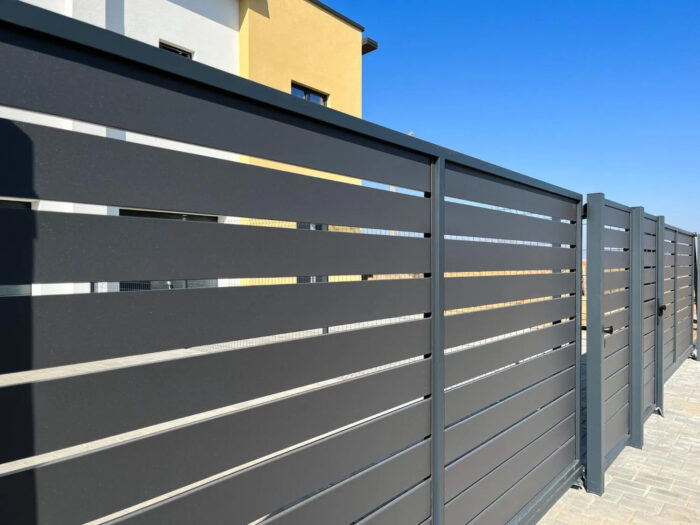
Selecting the right boundary for a residential property in California involves balancing local municipal codes, aesthetic goals, and specific functional needs, as privacy fences and security fences serve distinct purposes. While a privacy fence is primarily designed to obscure sightlines and create a secluded outdoor living space, a security fence is engineered to deter unauthorized access and protect assets. Homeowners must navigate California’s diverse landscape of zoning ordinances, which often dictate height limits, material requirements, and setback rules that vary significantly between cities like Los Angeles and San Francisco, according to the California Department of Housing and Community Development.
Understanding the Legal Framework for Fencing in California
Before installing any barrier, property owners must consult local ordinances, as California state law provides a baseline while allowing municipalities to enforce stricter regulations. The California Good Neighbor Fence Law, codified under California Civil Code Section 841, establishes that adjoining landowners are generally presumed to share an equal benefit from any fence on the property line and are therefore mutually responsible for the reasonable costs of construction, maintenance, or replacement. Disputes over these costs or the placement of the structure are governed by these statutes, which require formal notice to neighbors before any significant work begins.
Beyond neighbor disputes, municipal building departments impose specific height restrictions to ensure public safety and neighborhood character. In many residential zones, fences in the backyard are typically capped at six feet, while front-yard fences are often restricted to three or four feet to maintain visibility for drivers and pedestrians, as noted in the Los Angeles Department of City Planning zoning guidelines. Failure to obtain the necessary permits before construction can lead to mandatory removal, fines, or legal challenges from local code enforcement agencies.
Privacy Fences: Design and Functionality
A privacy fence is defined by its ability to block the line of sight between properties or from the street. These structures are typically constructed from solid materials such as wood, vinyl, or composite panels, with no gaps or spaces between the boards. The primary goal is to foster an environment where residents can utilize their outdoor spaces without being observed by neighbors or passersby. Because these fences are solid, they also act as a windbreak and can provide a degree of noise reduction, though their effectiveness in sound dampening is limited by their height and density.
When selecting materials, California homeowners often prioritize durability against the state’s climate. Redwood and cedar remain popular due to their natural resistance to rot and insect damage, though synthetic materials like vinyl are increasingly common for their low-maintenance requirements. According to the California Department of Forestry and Fire Protection (CAL FIRE), homeowners in designated high-fire-hazard severity zones should consider fire-resistant materials, such as metal or masonry, to reduce the risk of structural ignition during a wildfire event.
Security Fences: Deterrence and Access Control
Security fencing focuses on restricting physical entry rather than merely providing visual screening. These fences often incorporate features designed to make climbing or cutting difficult, such as wrought iron pickets, steel mesh, or chain link with added barbed or razor wire in specific industrial or commercial applications. In residential settings, a security fence might appear as a decorative wrought iron gate combined with an electronic entry system, providing a robust barrier without the heavy visual obstruction of a solid privacy fence.

The effectiveness of a security fence relies heavily on its installation and the integrity of its locking mechanisms. Unlike privacy fences, which are meant to be opaque, security fences are often designed to allow visibility through the barrier, enabling homeowners to monitor their property perimeter. For those seeking both security and privacy, many residents choose to combine these styles by installing a sturdy core fence—such as steel or masonry—and then adding landscaping or non-combustible privacy screens that comply with local fire safety codes, as outlined by the National Fire Protection Association.
Choosing Between Privacy and Security
Determining which fence is necessary requires a clear assessment of the property’s primary vulnerability. If the main concern is an unwanted view or the need for a quiet, secluded yard, a privacy fence is the appropriate choice. If the priority is preventing unauthorized entry or protecting high-value assets, a security fence—potentially integrated with alarm systems or motion-activated lighting—is the superior option.

Homeowners should also consider the impact on property value and neighborhood aesthetics. An overly imposing security fence in a residential area may be subject to stricter scrutiny from Homeowners Associations (HOAs) or municipal design review boards, which often have the authority to reject designs that deviate from the established neighborhood aesthetic. Before finalizing a project, residents are encouraged to request a property survey to confirm boundary lines, as encroaching on a neighbor’s property can lead to costly litigation and the eventual destruction of the installed barrier.
The next steps for any homeowner planning a new installation include obtaining a current land survey, reviewing any applicable HOA covenants, and submitting plans to the local building department for permit approval. Please share your experiences with local zoning requirements or fencing projects in the comments section below.