
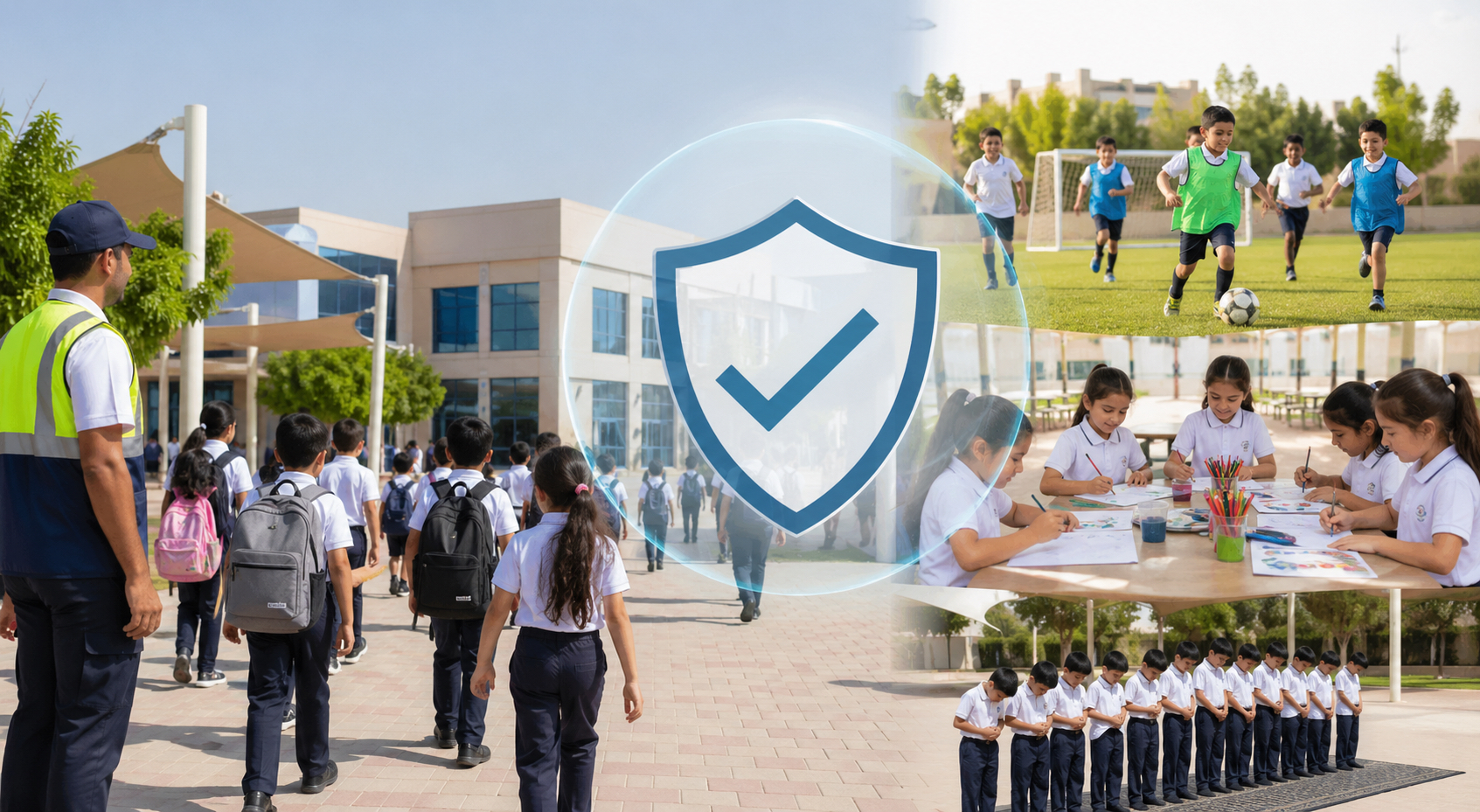
Private Schools in Sharjah Resume Activities Under Strict Safety Guidelines
Sharjah, UAE — Private schools across Sharjah have resumed extracurricular activities and in-person events under a set of stringent safety protocols, marking a significant step toward normalcy in the emirate’s education sector. The move follows a series of inspections by the Sharjah Private Education Authority (SPEA), which confirmed that schools have met the necessary health and operational standards to ensure student safety. The resumption comes as part of a broader effort to restore full educational services while mitigating risks associated with large gatherings.
According to officials, the decision to allow activities such as sports, cultural events and field trips was made after a thorough assessment of school infrastructure, health measures, and emergency preparedness. SPEA, the regulatory body overseeing private education in Sharjah, has mandated that all institutions adhere to a detailed framework designed to prevent the spread of illness and ensure a secure environment for students, staff, and visitors. The guidelines cover everything from classroom ventilation and sanitization to crowd management and medical response protocols.
“The safety of our students remains our top priority,” said an SPEA spokesperson in a statement released on April 26, 2026. “We have worked closely with schools to ensure they are fully prepared to resume activities without compromising on health standards. These measures are not just recommendations—they are enforceable requirements, and compliance will be monitored rigorously.” The authority has also urged parents to remain vigilant and follow any additional guidelines issued by their children’s schools.
SPEA’s Safety Framework: What Schools Must Follow
The resumption of activities is governed by a comprehensive set of rules issued by SPEA, which schools must implement as a condition for approval. Key components of the framework include:
- Health Screening and Monitoring: Schools are required to conduct daily temperature checks for students, staff, and visitors upon entry. Anyone exhibiting symptoms such as fever, cough, or respiratory distress must be isolated immediately and referred to medical professionals. Schools have also been instructed to maintain a log of all attendees at events and activities for contact tracing purposes.
- Sanitization and Hygiene: High-touch surfaces, including door handles, desks, and sports equipment, must be disinfected at regular intervals throughout the day. Hand sanitizing stations must be available at all entry points, classrooms, and event venues. Schools are also encouraged to promote frequent handwashing and respiratory etiquette among students.
- Social Distancing and Capacity Limits: While full in-person learning has resumed, SPEA has set capacity limits for extracurricular activities to prevent overcrowding. For indoor events, schools must ensure a minimum distance of 1.5 meters between individuals, and outdoor activities must be organized in a way that minimizes close contact. Large gatherings, such as assemblies or concerts, are permitted only if schools can demonstrate adequate space and ventilation.
- Ventilation and Air Quality: Schools must ensure that all indoor spaces, including classrooms, gyms, and auditoriums, are well-ventilated. SPEA recommends the utilize of air purifiers with HEPA filters in areas where natural ventilation is limited. Regular maintenance of HVAC systems is also required to prevent the circulation of contaminants.
- Medical Preparedness: Every school must have a designated isolation room for students or staff who develop symptoms during the school day. Schools are also required to have at least one staff member trained in first aid and basic emergency response on-site at all times. Schools must coordinate with local health authorities to ensure rapid access to medical support if needed.
- Transportation Safety: For schools providing bus services, SPEA has mandated that vehicles be disinfected before and after each trip. Drivers and attendants must wear masks, and students are required to sit in assigned seats to facilitate contact tracing. Capacity limits on buses have been set at 70% to allow for adequate spacing.
SPEA has made it clear that non-compliance with these guidelines will result in immediate corrective action, including the suspension of activities or, in severe cases, temporary closure of the institution. Schools found to be repeatedly violating the rules may face fines or revocation of their operating licenses. The authority has also established a hotline for parents and staff to report concerns or violations anonymously.
Parental Concerns and School Responses
The resumption of activities has been met with a mix of relief and caution among parents. While many welcome the return of extracurricular programs, which play a crucial role in student development, some have expressed concerns about the potential risks of large gatherings, particularly for younger children or those with underlying health conditions.
“We understand the importance of sports and social activities for our children’s growth, but we also want to ensure that schools are taking every possible precaution,” said Fatima Al Marri, a parent of two students at Al Ma’arifa International Private School, one of Sharjah’s largest private institutions. “The school has been transparent about the measures they’ve put in place, and that gives us some peace of mind. However, we’re still monitoring the situation closely.”

Al Ma’arifa, which serves over 3,500 students from kindergarten to Grade 13, has implemented additional safety measures beyond SPEA’s requirements. These include staggered schedules for extracurricular activities to reduce crowding, mandatory mask-wearing for all students and staff during indoor events, and the use of contactless payment systems for school canteens. The school has also introduced a digital health tracking system that allows parents to report any symptoms their children may be experiencing before they arrive at school.
“We’ve taken a proactive approach to ensure that our students can enjoy a well-rounded education while staying safe,” said Samer Sarhane, Director of Al Ma’arifa International Private School. “Our goal is to create an environment where learning and personal growth can thrive, even under these challenging circumstances. We’re confident that with the cooperation of parents, students, and staff, we can achieve that balance.”
Inspections and Compliance: SPEA’s Oversight Role
To ensure that schools are adhering to the safety guidelines, SPEA has conducted a series of unannounced inspections across the emirate. These inspections, which began in mid-April 2026, have focused on evaluating schools’ readiness to resume activities, including their health protocols, infrastructure, and emergency response plans. According to SPEA, the majority of schools have demonstrated a high level of compliance, though a small number have been issued warnings or required to make immediate improvements.
“Our inspections are not just about ticking boxes—they’re about ensuring that schools are genuinely prepared to protect their communities,” said an SPEA official. “We’ve seen some excellent examples of schools going above and beyond the minimum requirements, and we’ve also identified areas where improvements are needed. Our team is working closely with those schools to address any gaps.”
SPEA’s inspections have also extended to school transportation services. On April 15, 2026, the authority announced the resumption of student bus services, with strict guidelines in place to ensure safety. These include reduced passenger capacity, mandatory mask-wearing for drivers and students, and regular sanitization of vehicles. SPEA has also required schools to provide parents with real-time tracking of bus routes and schedules to minimize waiting times and reduce crowding at pickup points.
In addition to its inspection efforts, SPEA has launched a public awareness campaign to educate parents, students, and school staff about the importance of adhering to safety protocols. The campaign includes informational videos, posters, and digital resources that outline best practices for preventing the spread of illness in school settings. SPEA has also partnered with local health authorities to provide schools with access to medical experts who can offer guidance on implementing the guidelines effectively.
The Broader Context: Education in Sharjah and the UAE
The resumption of activities in Sharjah’s private schools is part of a broader effort to restore normalcy in the UAE’s education sector following disruptions caused by the COVID-19 pandemic. While the country has made significant progress in managing the health crisis, authorities have adopted a cautious approach to reopening schools, prioritizing safety while gradually reintroducing in-person services.
Sharjah is home to over 130 private schools and 192 training centers, serving a diverse student population that includes both Emirati nationals and expatriates. The emirate’s private education sector is regulated by SPEA, which was established to oversee the quality and standards of private educational institutions. SPEA’s mandate includes ensuring that schools comply with national and international education standards, as well as implementing policies that promote student well-being and academic excellence.
In recent years, Sharjah has emerged as a hub for educational innovation, with many private schools offering internationally recognized curricula, such as the American, British, and International Baccalaureate (IB) programs. Schools like Al Ma’arifa International Private School and Al Knowledge International Private School have gained reputations for academic excellence and holistic development, attracting students from across the UAE and beyond.
The UAE government has placed a strong emphasis on education as a key pillar of its long-term development strategy. In 2023, the country launched the UAE Centennial 2071 plan, which outlines a vision for the nation’s future, including goals to enhance the quality of education and prepare students for the challenges of the 21st century. As part of this vision, authorities have invested heavily in modernizing school infrastructure, expanding access to digital learning tools, and promoting STEM (science, technology, engineering, and mathematics) education.
What’s Next for Sharjah’s Schools?
While the resumption of activities marks a positive step, SPEA has emphasized that the situation remains fluid and that schools must be prepared to adapt to changing circumstances. The authority has indicated that it will continue to monitor the health landscape closely and adjust its guidelines as needed. Schools have been advised to maintain flexibility in their planning and to have contingency measures in place in case of future disruptions.
For parents, the next few weeks will be critical in assessing how well schools are implementing the safety protocols. SPEA has encouraged parents to engage with their children’s schools, ask questions about the measures being taken, and provide feedback on any concerns they may have. The authority has also urged parents to reinforce safety practices at home, such as encouraging handwashing, monitoring for symptoms, and keeping children home if they are unwell.
Looking ahead, SPEA is expected to release additional guidelines for the upcoming academic year, which begins in September 2026. These guidelines will likely address topics such as vaccination requirements, the integration of digital learning tools, and strategies for supporting students’ mental health and well-being. Schools have also been encouraged to explore innovative approaches to extracurricular activities, such as virtual events or hybrid models that combine in-person and online participation.
As Sharjah’s private schools navigate this recent phase, the focus remains on striking a balance between providing a rich educational experience and ensuring the safety of the school community. With SPEA’s oversight and the cooperation of schools, parents, and students, the emirate is taking measured steps toward a future where education can thrive without compromise.
Key Takeaways for Parents and Students
- Safety First: SPEA’s guidelines are mandatory, not optional. Schools must comply with health screening, sanitization, social distancing, and ventilation requirements to resume activities.
- Parental Involvement: Parents are encouraged to stay informed about their children’s schools’ safety measures and to report any concerns to SPEA or school administrators.
- Flexibility is Key: Schools must be prepared to adjust their plans based on SPEA’s ongoing assessments and any changes in the health landscape.
- Extracurricular Activities Matter: Resuming activities like sports, arts, and field trips is essential for students’ social, emotional, and physical development.
- Transportation Safety: Schools providing bus services must adhere to reduced capacity limits, mask mandates, and regular sanitization to ensure safe commutes.
- Long-Term Vision: The UAE’s focus on education as part of its Centennial 2071 plan underscores the importance of building a resilient and innovative education system for future generations.
For the latest updates on SPEA’s guidelines and school safety protocols, parents and students can visit the SPEA official website. As the situation evolves, SPEA will continue to provide guidance to ensure that Sharjah’s private schools remain safe, supportive, and conducive to learning.
Have you or your child participated in any school activities since the resumption? Share your experiences and thoughts in the comments below, and don’t forget to share this article with other parents navigating the return to school.