Iran Proposes Strait of Hormuz Talks as Trump Issues 72-Hour Ultimatum
Tensions in the Persian Gulf reached a critical juncture on Monday as Iran signaled a potential diplomatic off-ramp to ease the escalating crisis, while former U.S. President Donald Trump issued a stern 72-hour ultimatum to Tehran. The developments come amid a week of heightened military activity in the Strait of Hormuz, a vital global oil chokepoint, where Iran has detained commercial vessels and deployed naval assets in response to U.S. Sanctions and regional pressure.
According to a report by Axios, citing U.S. Officials, Iran has proposed reopening the Strait of Hormuz to commercial shipping in exchange for a broader de-escalation agreement with Washington. The proposal, reportedly conveyed through Pakistani intermediaries, suggests delaying discussions on Iran’s nuclear program until after the immediate crisis is resolved. However, the report also notes divisions within Iran’s leadership over the extent of concessions on the nuclear issue, underscoring the fragility of the diplomatic overture.
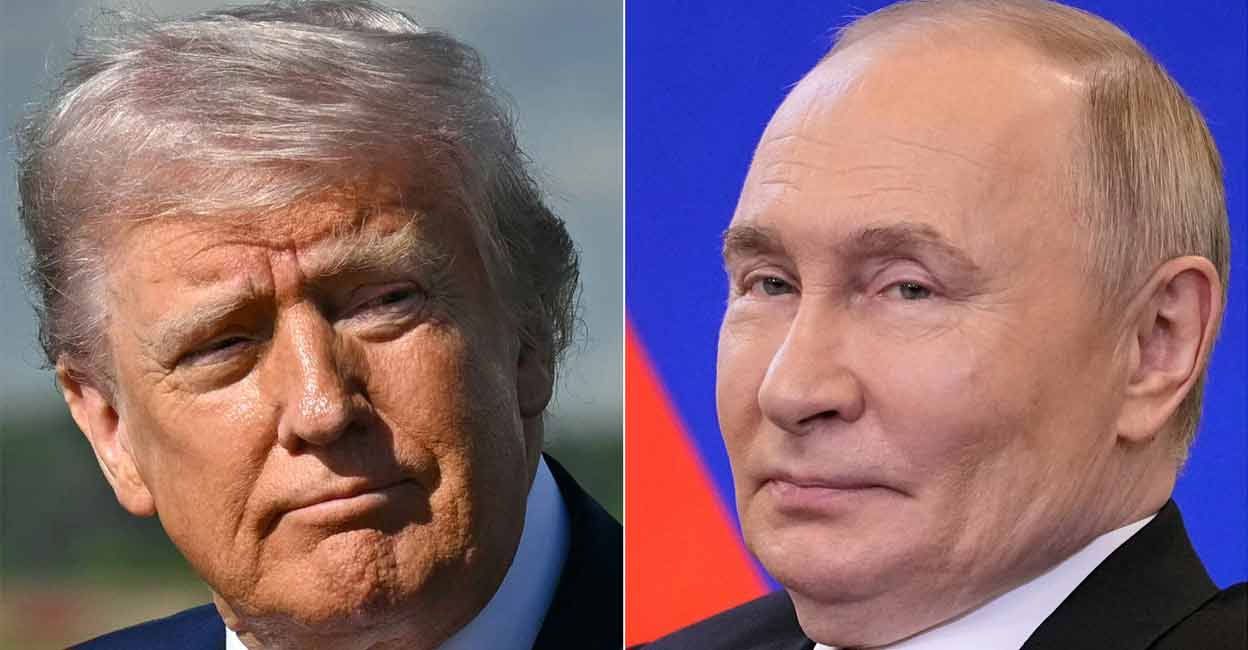
In a parallel development, Trump, who remains a dominant figure in U.S. Foreign policy discourse, issued a public ultimatum to Iran, demanding the release of detained vessels and the cessation of hostile actions in the Strait within 72 hours. Speaking to reporters outside his Mar-a-Lago estate, Trump warned of “severe consequences” if Iran failed to comply, though he did not specify what those consequences might entail. His statement, which lacked official endorsement from the current U.S. Administration, added a layer of complexity to an already volatile situation.
Diplomatic Maneuvering Amid Military Posturing
The Strait of Hormuz, a 21-mile-wide waterway through which roughly one-fifth of the world’s oil supply passes daily, has long been a flashpoint in U.S.-Iran relations. Iran’s Islamic Revolutionary Guard Corps (IRGC) has repeatedly threatened to close the strait in response to U.S. Sanctions, which have crippled Iran’s economy and restricted its oil exports. In recent days, Iran has seized or harassed multiple commercial vessels, including oil tankers, prompting warnings from the U.S. And its allies about the risks to global energy markets.

The Axios report suggests that Iran’s proposal to reopen the strait is a tactical move to defuse tensions without immediately addressing the nuclear issue, which remains a contentious point in negotiations. The report quotes unnamed U.S. Officials who describe the proposal as a “quick-fix” aimed at preventing further military escalation. However, the officials also expressed skepticism about Iran’s willingness to follow through on its commitments, given the regime’s history of brinkmanship.
Meanwhile, Russian President Vladimir Putin has reportedly entered the fray as a potential mediator. According to diplomatic sources cited by Reuters, Putin has reached out to both Washington and Tehran, offering Russia’s services as an intermediary to broker a deal. While neither the U.S. Nor Iran has officially confirmed Putin’s involvement, the move aligns with Russia’s broader strategy of positioning itself as a key player in Middle Eastern geopolitics.
Trump’s Ultimatum: A Calculated Gamble?
Trump’s 72-hour ultimatum to Iran has drawn mixed reactions from analysts and policymakers. While some view it as a necessary show of strength to deter further Iranian aggression, others witness it as an uncoordinated move that could undermine diplomatic efforts. The former president, who brokered the 2018 withdrawal from the Iran nuclear deal (JCPOA) and imposed a “maximum pressure” campaign of sanctions, remains a polarizing figure in U.S. Foreign policy.
In his statement, Trump accused Iran of “playing a dangerous game” and warned that the U.S. Would “not tolerate” further provocations in the Strait of Hormuz. He also took a swipe at the current administration, suggesting that President Joe Biden’s approach to Iran had been “weak and ineffective.” The White House has not yet responded to Trump’s remarks, but officials have privately expressed frustration over what they see as an attempt to undermine ongoing diplomatic efforts.
Iran’s response to Trump’s ultimatum has been muted so far. Iranian Foreign Ministry spokesperson Nasser Kanaani dismissed the former president’s comments as “irrelevant,” stating that Tehran’s actions were a response to U.S. “economic terrorism” and violations of international law. Kanaani reiterated Iran’s long-standing position that the Strait of Hormuz is an international waterway and that any attempts to restrict passage would be met with “decisive action.”
Global Markets React: Oil Prices Stabilize, Gold and Stocks Rally
The escalating tensions in the Persian Gulf have sent ripples through global financial markets, though the impact has been somewhat muted by Iran’s diplomatic overture. After spiking to nearly $95 per barrel last week amid fears of a prolonged disruption in the Strait of Hormuz, Brent crude prices stabilized on Monday, trading at around $92 per barrel. Analysts attribute the pullback to hopes that a diplomatic resolution could avert a full-blown crisis.

However, the uncertainty has fueled demand for safe-haven assets. Gold prices surged to a two-month high of $2,450 per ounce, reflecting investor anxiety over the geopolitical risks. Stock markets in Asia and Europe also rallied on Monday, with defense and energy sectors leading the gains. In the U.S., futures pointed to a higher open, as traders bet on a potential de-escalation in the Gulf.
The United Nations has warned of broader economic consequences if the standoff continues. In a statement released on Sunday, UN Secretary-General António Guterres expressed concern over the “potential humanitarian and economic fallout” of a prolonged conflict, including disruptions to global food and energy supplies. The UN’s Food and Agriculture Organization (FAO) has also warned that a protracted crisis could exacerbate food insecurity in vulnerable regions, particularly in the Middle East and North Africa.
What Happens Next?
The next 72 hours will be critical in determining whether the current standoff escalates into a full-blown conflict or de-escalates through diplomacy. Key developments to watch include:
- Iran’s Response to Trump’s Ultimatum: Tehran’s next move will likely hinge on its assessment of U.S. Intentions. If Iran perceives Trump’s ultimatum as a bluff, it may continue its aggressive posture in the Strait of Hormuz. Conversely, if Iran believes the U.S. Is prepared to seize military action, it may seek to de-escalate.
- U.S. Military Posture: The Pentagon has not commented on whether it is preparing for a potential military response, but U.S. Naval assets in the region have been placed on high alert. Any signs of an imminent strike could trigger a rapid escalation.
- Diplomatic Efforts: The role of intermediaries, particularly Pakistan and Russia, will be crucial in the coming days. If Iran’s proposal gains traction, it could pave the way for broader negotiations on regional security and Iran’s nuclear program.
- Market Reactions: Oil prices and global financial markets will remain sensitive to developments in the Gulf. A prolonged disruption in the Strait of Hormuz could send oil prices soaring, exacerbating inflationary pressures worldwide.
For now, the situation remains fluid, with both sides engaged in a high-stakes game of brinkmanship. The international community is watching closely, hoping for a diplomatic resolution that averts a wider conflict with far-reaching consequences.
Key Takeaways
- Iran’s Proposal: Tehran has signaled a willingness to reopen the Strait of Hormuz in exchange for a de-escalation agreement with the U.S., though divisions remain over the nuclear issue.
- Trump’s Ultimatum: The former U.S. President has given Iran 72 hours to cease hostile actions in the Strait, warning of “severe consequences” if it fails to comply.
- Putin’s Mediation: Russia has reportedly offered to mediate between the U.S. And Iran, though neither side has officially confirmed the move.
- Market Impact: Oil prices have stabilized on hopes of a diplomatic resolution, while gold and stocks have rallied amid geopolitical uncertainty.
- UN Warnings: The United Nations has cautioned that a prolonged conflict could disrupt global food and energy supplies, with severe humanitarian consequences.
As the clock ticks on Trump’s ultimatum, the world waits to see whether diplomacy will prevail or if the Persian Gulf is headed toward another dangerous escalation. For the latest updates on this developing story, follow World Today Journal and join the conversation in the comments below.