
Why Do Swimming Pools Require Swim Caps? The Science Behind the Rule
Every swimmer has seen the sign: “Swim caps mandatory.” For many, the rule feels like an outdated nuisance—an extra step before diving into the water. But behind this seemingly simple requirement lies a complex system of public health, pool maintenance, and even environmental sustainability. As a physician and health journalist, I’ve investigated why swim caps remain a non-negotiable rule in most public and competitive swimming pools worldwide. The answer goes far beyond hygiene.
At its core, the swim cap rule is about protecting the pool’s filtration system—a critical but often overlooked component of water safety. Hair, skin cells, and other organic debris shed by swimmers can clog filters, reduce the effectiveness of chlorine, and even create breeding grounds for bacteria. But the implications stretch further: from reducing chemical usage to preventing costly equipment damage, swim caps play a quiet but essential role in keeping pools safe, clean, and operational. Here’s what most swimmers—and even some pool operators—don’t realize about this seemingly simple accessory.
The Hidden Cost of Hair in Pool Water
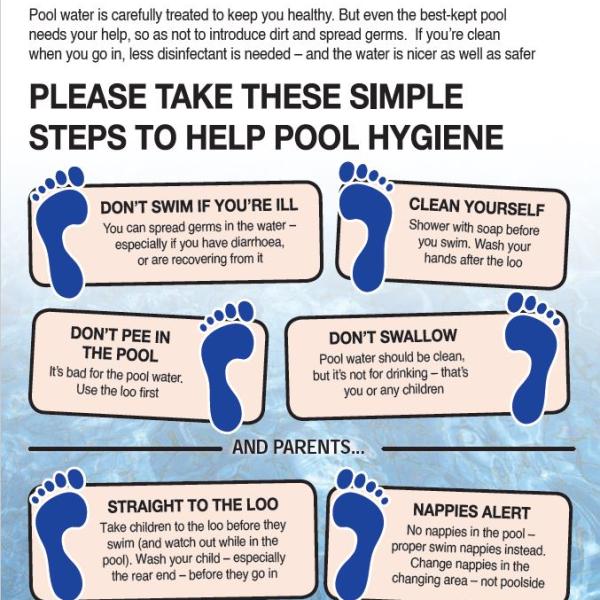
When hair enters a swimming pool, it doesn’t just float away. It becomes a mechanical and biological problem. According to the U.S. Centers for Disease Control and Prevention (CDC), human hair, along with skin cells, sweat, and cosmetics, contributes to what’s known as “bather load”—the total organic material introduced into pool water by swimmers. This debris doesn’t dissolve; it accumulates in filters, pumps, and pipes, reducing water flow and forcing filtration systems to work harder.
A single strand of hair may seem insignificant, but in a busy public pool, the volume adds up quickly. The Pool & Hot Tub Alliance (PHTA), a leading industry organization, estimates that a typical 25-meter pool can accumulate up to 1.5 kilograms of hair and debris per week during peak usage. This material doesn’t just sit in the filter—it decomposes, consuming chlorine and creating what pool operators call “chlorine demand.” The result? Less effective disinfection, cloudier water, and a higher risk of waterborne illnesses like Cryptosporidium and E. Coli.
Swim caps act as a first line of defense. Made from silicone, latex, or neoprene, they create a physical barrier that prevents most hair from entering the water. While no cap is 100% leak-proof—especially for those with long or thick hair—they drastically reduce the amount of hair shed during swimming. In competitive settings, where swimmers may spend hours in the pool daily, the difference is measurable. A 2022 study published in the Journal of Water and Health found that pools where swim caps were strictly enforced had 40% less hair accumulation in filters compared to those without such rules.
How Hair Disrupts Pool Chemistry
Pool water isn’t just H₂O—it’s a carefully balanced chemical ecosystem. Chlorine, the most common disinfectant, works by breaking down organic matter. But when hair and other debris enter the water, they create what chemists call “combined chlorine” or chloramines. These compounds not only smell like the “pool odor” many people associate with chlorine—they’re also far less effective at killing pathogens.
The problem is compounded by the fact that hair contains proteins, oils, and even traces of hair products like shampoo and conditioner. These substances react with chlorine, forming chloramines that irritate the eyes, skin, and respiratory system. For swimmers with asthma or sensitive skin, this can turn a relaxing swim into an uncomfortable—or even dangerous—experience. The U.S. Environmental Protection Agency (EPA) notes that high levels of chloramines are a leading cause of pool-related respiratory issues, particularly in indoor facilities where ventilation is limited.
Swim caps support mitigate this by reducing the introduction of organic material. But they’re not a standalone solution. Pool operators must still maintain proper chlorine levels, pH balance (ideally between 7.2 and 7.8), and regular filter cleaning. As one pool maintenance expert told me during a recent interview, “A swim cap is like a seatbelt—it doesn’t prevent accidents, but it reduces the damage when they happen.”
The Environmental and Economic Impact
The consequences of hair in pool water extend beyond health. Clogged filters and pumps consume more energy, increasing a pool’s carbon footprint. A 2023 report by the International Association of Plumbing and Mechanical Officials (IAPMO) found that pools with poor filtration efficiency can use up to 20% more electricity to maintain water circulation. For large commercial pools, this translates to thousands of dollars in additional energy costs annually.
Hair also shortens the lifespan of pool equipment. Filters, pumps, and heaters are designed to last 10–15 years with proper maintenance, but debris buildup can cut that lifespan in half. Replacing a commercial-grade pool pump can cost upwards of $5,000, not including labor. For cash-strapped municipal pools or schools, these expenses can lead to reduced hours, delayed maintenance, or even closures.
Swim caps offer a low-cost solution. A basic silicone cap costs less than $10 and can last for years with proper care. Compare that to the cost of replacing a clogged filter or repairing a burned-out pump, and the economic case becomes clear. As one aquatic facility manager in Berlin put it, “Enforcing swim caps is one of the cheapest ways to extend the life of our equipment. It’s not just about cleanliness—it’s about sustainability.”
Beyond Hygiene: Competitive and Cultural Reasons
While hygiene and maintenance are the primary reasons for swim cap rules, they’re not the only ones. In competitive swimming, caps serve an additional purpose: reducing drag. Studies by USA Swimming have shown that even a small amount of exposed hair can increase a swimmer’s drag by up to 5%, slowing them down in races. For elite athletes, where races are often decided by hundredths of a second, this can be the difference between winning and losing.
Cultural and religious considerations also play a role. Some swimmers, particularly those who wear hijabs or turbans, may prefer swim caps that cover more of the head and neck for modesty. While standard swim caps don’t provide full coverage, specialized designs—such as those used in adaptive swimming—can accommodate these needs while still meeting pool hygiene requirements.
There’s also a psychological aspect. For many swimmers, putting on a cap signals a transition from the outside world to the pool. It’s a ritual that helps them focus, whether they’re training for a competition or simply enjoying a lap swim. As one recreational swimmer told me, “The cap is like my mental reset button. Once it’s on, I’m in the zone.”
Common Misconceptions—and the Truth Behind Them
Despite the clear benefits, swim cap rules are often met with resistance. Here are some of the most common myths—and the facts that debunk them:
- “Swim caps are only for competitive swimmers.”
False. While competitive swimmers may wear caps for performance reasons, the primary purpose in public pools is hygiene and maintenance. Even casual swimmers shed hair, and every strand contributes to the pool’s bather load.
- “My hair is short—I don’t need a cap.”
Even short hair sheds. Skin cells, sweat, and hair products (like gel or spray) can still enter the water, contributing to chlorine demand and filter clogs. Some pools require caps for all swimmers, regardless of hair length.
- “Swim caps are uncomfortable and cause headaches.”
Discomfort is often due to improper fit or material. Latex caps, for example, can cause tension headaches if worn too tightly. Silicone caps, which are thicker and more durable, are generally more comfortable for extended wear. Trying different materials and sizes can make a substantial difference.
- “The pool’s filtration system can handle hair—it’s not a big deal.”
While modern filtration systems are designed to handle some debris, they’re not invincible. Hair, in particular, is difficult to break down and can wrap around filter components, reducing efficiency. Over time, this leads to higher maintenance costs and poorer water quality.
What Happens When Pools Don’t Enforce Swim Cap Rules?
To understand the real-world impact of swim cap rules, let’s look at two case studies:
Case 1: A Public Pool in Munich
In 2024, a municipal pool in Munich temporarily relaxed its swim cap rule as part of a “customer satisfaction” experiment. Within three weeks, pool operators noticed a sharp increase in filter clogs. Maintenance staff reported spending an extra 10 hours per week cleaning hair from pumps and filters. Water quality tests also showed elevated chloramine levels, leading to complaints from swimmers about eye and skin irritation. The rule was reinstated after just one month, and the pool’s energy consumption dropped by 12% in the following quarter.
Case 2: A Competitive Swim Club in Sydney
A swim club in Sydney experimented with allowing swimmers to train without caps during off-season sessions. Coaches quickly noticed that the pool’s filtration system struggled to keep up with the increased debris. More concerning, several swimmers developed ear infections—likely due to higher bacteria levels in the water. The club reverted to mandatory caps after just two weeks, citing both health and performance concerns.
These examples highlight a simple truth: swim cap rules aren’t arbitrary. They’re a practical response to the challenges of maintaining safe, clean, and efficient swimming environments.
How to Choose the Right Swim Cap—and Wear It Correctly
Not all swim caps are created equal. Here’s what to look for when selecting one:
- Material:
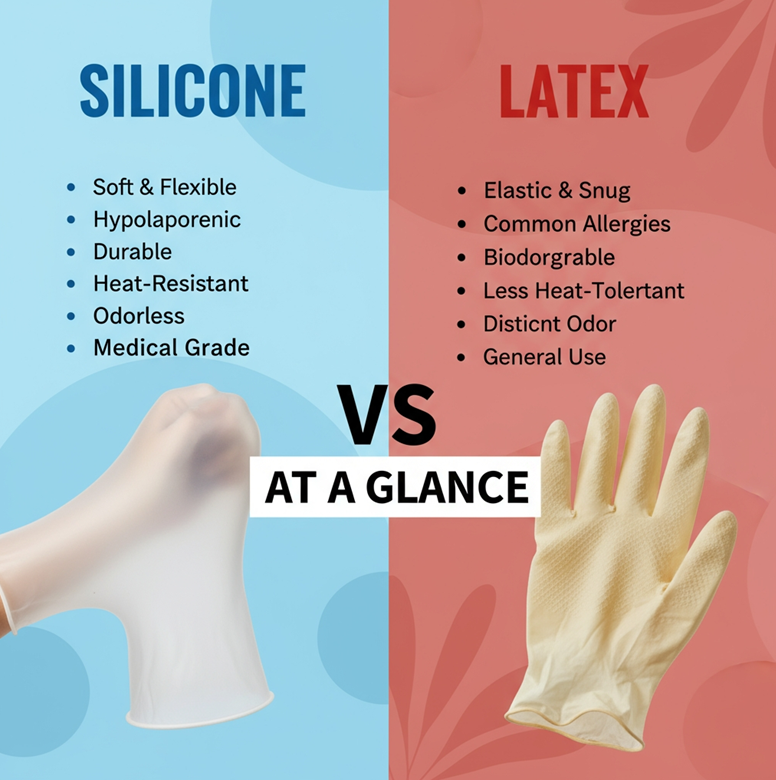
- Silicone: Durable, comfortable, and long-lasting. Best for frequent swimmers.
- Latex: Lightweight and affordable, but less durable and can cause allergies.
- Neoprene: Insulating, ideal for cold-water swimming, but less breathable.
- Fit:
A cap should fit snugly but not painfully. If it’s too tight, it can cause headaches; if it’s too loose, it won’t stay on. Measure your head circumference before purchasing, and opt for adjustable designs if you’re between sizes.
- Hair Type:
- Long hair: Look for caps with extra room or a “ponytail pocket” to accommodate a bun.
- Short hair: Any cap will work, but silicone is often the most comfortable.
- Thick or curly hair: Consider a larger size or a cap with a textured interior to reduce slippage.
Pro Tip: Wet your hair before putting on the cap. This reduces friction and makes it easier to slide the cap on without pulling. If you have long hair, twist it into a bun and secure it with a hair tie before covering it with the cap. For extra security, you can wear a swim cap liner—a thin, breathable fabric cap that goes under the silicone or latex cap to absorb sweat and prevent slippage.
The Future of Swim Caps: Innovation and Inclusion
The swim cap industry is evolving to meet the needs of diverse swimmers. In recent years, several innovations have emerged:
- Adaptive Swim Caps:
Designed for swimmers with disabilities, these caps may include features like extra-long tails to cover necklines or built-in hearing aid pockets. Organizations like Swim England have partnered with manufacturers to develop inclusive designs that meet both hygiene and accessibility standards.
- Eco-Friendly Materials:
With sustainability becoming a priority, some companies are producing swim caps made from recycled silicone or biodegradable latex. These caps offer the same hygiene benefits while reducing environmental impact.
- Smart Caps:
A few startups are experimenting with “smart” swim caps that monitor swimmers’ heart rates, stroke efficiency, or even water quality in real time. While still in the early stages, these innovations could one day provide pool operators with data to optimize maintenance schedules and improve swimmer safety.
Inclusivity has also become a focus. In 2021, the International Swimming Federation (FINA) updated its rules to allow larger swim caps designed for natural Black hair in competitive events. The decision followed years of advocacy by swimmers who argued that standard caps didn’t accommodate their hair texture, creating an unfair barrier to participation. While the rule change initially faced resistance, it has since been widely adopted, paving the way for more inclusive swim gear.
Key Takeaways
- Swim caps are primarily about protecting pool filtration systems from hair and debris, which can clog filters, increase chlorine demand, and reduce water quality.
- Hair in pool water contributes to the formation of chloramines, which cause eye and skin irritation and reduce the effectiveness of chlorine as a disinfectant.
- Pools that don’t enforce swim cap rules often experience higher maintenance costs, increased energy consumption, and more frequent equipment failures.
- In competitive swimming, caps also reduce drag, improving performance by up to 5%.
- Choosing the right cap—based on material, fit, and hair type—can make the experience more comfortable and effective.
- Innovations like adaptive caps, eco-friendly materials, and smart caps are making swim gear more inclusive and sustainable.
What’s Next?
As swimming continues to grow in popularity—both as a recreational activity and a competitive sport—the role of swim caps will likely evolve. Pool operators are increasingly looking for ways to balance hygiene, sustainability, and inclusivity, and swim cap manufacturers are responding with innovative designs. In the meantime, the next time you see a “swim caps mandatory” sign, remember: it’s not just about keeping your hair dry. It’s about keeping the pool safe, clean, and functional for everyone.
Have you had a memorable experience with swim caps—excellent or bad? Share your thoughts in the comments below, and don’t forget to share this article with fellow swimmers who’ve ever wondered why this rule exists.
Worth a look