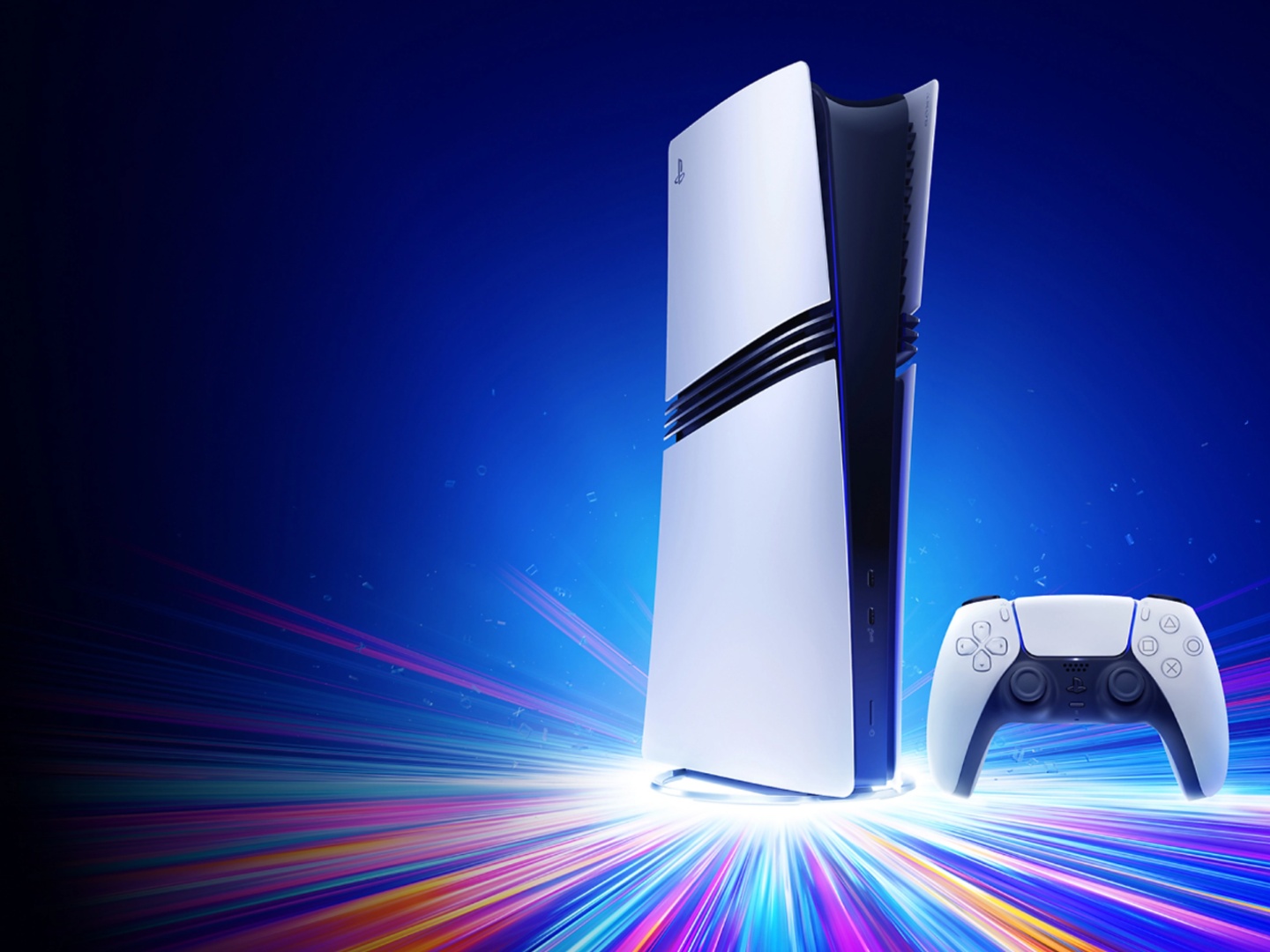
The video game industry is bracing for the next generation of consoles, with much speculation surrounding Sony’s PlayStation 6. Amidst ongoing global economic uncertainties impacting component costs, particularly memory and storage, the release timeline for the PS6 has been a subject of debate. While initial reports suggested a potential delay until 2029, more recent information points towards a launch window of 2027 or early 2028. The evolving situation highlights the complex interplay between manufacturing challenges, market demands, and strategic decisions within the tech giant.
The typical lifecycle of a gaming console is approximately seven years. Given the PlayStation 5’s launch in November 2020, a 2027 release for the PS6 would align with this established pattern. However, fluctuating prices for essential components like RAM and storage have introduced considerable uncertainty. The current economic climate, coupled with supply chain vulnerabilities, has led to concerns about potential delays. The question of when Sony will unveil its next-generation console remains a key focus for gamers and industry analysts alike. The PlayStation 6 represents a significant investment for Sony, and the timing of its release will undoubtedly shape the competitive landscape of the gaming market.
PS6 Release Date: Current Predictions
Recent insights from industry leaker “Moore’s Law Is Dead” (MLID) suggest that Sony is unlikely to postpone the PlayStation 6’s launch significantly. MLID, known for sharing details about upcoming console hardware, particularly AMD APUs, has indicated that delaying the release could prove more costly than launching on schedule, even if it means accepting higher component prices in the short term. This assessment stems from the substantial investment Sony has already made in custom APUs from AMD.
According to MLID, Sony has a vested interest in adhering to its production schedule to avoid losing its allocation for 3nm manufacturing from TSMC. A delay could potentially push the PS6’s release back to 2030. This information reportedly comes from documents detailing Sony’s contracts with AMD and TSMC, which outline production timelines with a target of the second quarter of 2027. The source also points to Sony’s decision to launch the PlayStation 5 during the COVID-19 pandemic, despite initial reports of potential delays, as evidence that the company is willing to proceed with launches even under challenging circumstances.
Component Costs and Manufacturing Challenges
The price of RAM has been a significant concern for console manufacturers. According to a report by Notebookcheck, memory shortages were a key factor in initial speculation about a 2029 release date. GamingBolt reported on this speculation. However, MLID suggests that Sony is prepared to absorb increased RAM costs for the first six months of the console’s life rather than delaying the launch. The expectation is that RAM prices will improve by the end of 2026 and into early 2027, allowing Sony to finalize its launch plans.
The shift to 3nm manufacturing is a critical factor. TSMC, a leading semiconductor manufacturer, is expected to play a key role in producing the PS6’s APU. Securing a consistent allocation of 3nm wafers is essential for Sony to meet its production targets. Any disruption to this supply chain could indeed lead to delays, but current indications suggest Sony is proactively managing this risk. The move to a more advanced manufacturing process is expected to deliver significant performance improvements, enabling more immersive gaming experiences and enhanced graphical capabilities.
The Role of AMD and APU Technology
The PlayStation 6 is expected to feature a custom AMD APU (Accelerated Processing Unit), integrating the CPU and GPU onto a single chip. Notebookcheck reported on leaked specifications for the PS6 APU, suggesting it could be up to eight times faster than the APU in the PlayStation 5. This substantial performance leap would enable the PS6 to deliver significantly improved graphics, faster loading times, and more complex game worlds. The close collaboration between Sony and AMD is crucial to optimizing the APU’s performance and ensuring a seamless gaming experience.
The APU’s architecture will likely incorporate the latest advancements in AMD’s Zen and RDNA technologies. This combination will provide a powerful foundation for the PS6, allowing it to compete effectively with other gaming platforms, including the Xbox Series X and PC gaming. The efficiency of the APU will also be a key factor, as it will impact the console’s power consumption and thermal management.
Impact on the Gaming Industry and Consumers
The launch of the PlayStation 6 will have a ripple effect throughout the gaming industry. It will likely spur innovation from competitors, such as Microsoft, and drive advancements in game development technologies. Gamers can anticipate a new generation of games that push the boundaries of visual fidelity, gameplay mechanics, and immersive experiences. The PS6’s success will depend on its ability to deliver a compelling value proposition to consumers, offering a combination of cutting-edge hardware, exclusive game titles, and innovative features.
The pricing of the PS6 will also be a critical factor. Given the rising costs of components, Sony may need to balance performance with affordability to appeal to a broad audience. Subscription services, such as PlayStation Plus, are also likely to play an increasingly important role in the console’s ecosystem, providing gamers with access to a library of games and online features. The console’s backward compatibility with PlayStation 5 games could also be a significant selling point, allowing gamers to continue enjoying their existing game libraries.
What to Expect in Terms of Features and Technology
Beyond the enhanced processing power, the PlayStation 6 is expected to incorporate several other key features. Improved ray tracing capabilities will deliver more realistic lighting and reflections, enhancing the visual quality of games. Faster storage solutions, such as NVMe SSDs, will reduce loading times and enable seamless open-world experiences. Support for higher resolutions, such as 8K, and faster refresh rates will provide a more immersive and visually stunning gaming experience. The integration of artificial intelligence (AI) could also play a role, enabling more intelligent game AI and personalized gaming experiences.
The user interface is also likely to undergo a significant overhaul, with a focus on streamlining navigation and providing a more intuitive experience. Enhanced social features will allow gamers to connect with friends and share their gaming experiences more easily. The PS6 may also incorporate new input methods, such as advanced haptic feedback and spatial audio, to further enhance immersion.
While a firm release date remains unconfirmed, the current trajectory suggests a launch in either late 2027 or early 2028 is the most likely scenario. Sony is expected to provide more concrete details in the coming months, as it ramps up production and prepares for the next generation of gaming. The next key checkpoint will be Sony’s financial earnings reports, where they may offer further insights into their console roadmap.
What are your thoughts on the potential release of the PlayStation 6? Share your predictions and expectations in the comments below. Don’t forget to share this article with fellow gaming enthusiasts!
Worth a look
- NASA SkyFall Mission to Deploy Helicopters With Flexible Radar Antennas
- Trump Administration Enlists Private Companies for Offensive Cyber Operations Against Foreign Criminals
- Pokemon TCG 30th Celebration Set Features 30 Pikachu Cards and Global Release (time.news)
- CIA Forms Secret Cuba Task Force Amid Rising Political Shifts and Succession Concerns (world-today-news.com)