Public Restroom Hygiene Gets a Boost: South Korean Company Introduces On-Demand Toilet Seat Cleaner
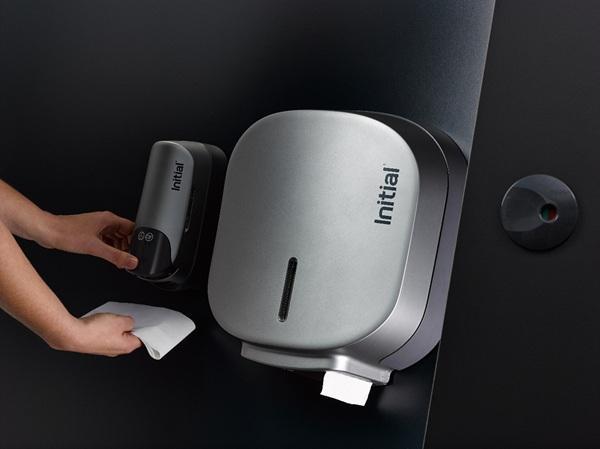
BERLIN — Public restrooms, though often appearing clean, can harbor invisible health risks. Toilet seats, flush handles, and door knobs are frequent touchpoints that may carry harmful bacteria like E. Coli and Staphylococcus, posing cross-contamination risks in high-traffic spaces. In response, Rentokil Initial Korea, a leading hygiene solutions provider, has launched a novel service designed to empower users to capture immediate action: the Initial Toilet Seat Cleaner.
Available in shared restrooms across South Korea, the service allows individuals to disinfect toilet seats on the spot using a simple spray-and-wipe method. The initiative comes as part of a broader effort to address “hygiene blind spots” — areas that appear clean but may still carry microbial contamination. With a recent promotional campaign encouraging peer referrals, the company is positioning the service as a practical tool for infection control in public spaces.
According to Rentokil Initial Korea, the service is particularly relevant in environments where multiple users interact with the same surfaces in quick succession. The company highlights that even visibly clean restrooms can harbor pathogens due to the “toilet sneeze effect” — a phenomenon where flushing disperses microscopic droplets containing bacteria and viruses into the air, which can then settle on surfaces. This effect has been documented in peer-reviewed studies, including research published in the Journal of Applied Microbiology, which found that flushing can aerosolize bacteria and viruses up to 1.5 meters above the toilet bowl (source).
How the Service Works
The Initial Toilet Seat Cleaner is designed for simplicity and accessibility. Users can find the cleaning station near restroom stalls, typically mounted on a wall or dispenser. The process involves three steps:
- Pull a sheet of toilet paper from the dispenser.
- Spray the cleaner directly onto the toilet seat.
- Wipe the seat thoroughly with the paper before use.
The cleaner is formulated to be effective against common pathogens, including Escherichia coli (E. Coli), Staphylococcus aureus, and enterococci, which are frequently found on restroom surfaces. Rentokil Initial Korea states that the solution is safe for skin contact and environmentally considerate, though users are advised to follow label instructions for proper use.
Beyond toilet seats, the service also encourages users to clean other high-touch surfaces, such as flush levers and door handles, further reducing the risk of cross-contamination. This user-driven approach shifts some responsibility for hygiene from facility managers to individuals, creating a shared model of restroom maintenance.
Why Public Restroom Hygiene Matters
Public restrooms are critical nodes in the transmission of infectious diseases. A study published in Indoor Air found that restrooms in healthcare facilities, offices, and transportation hubs can harbor a diverse range of microorganisms, some of which are resistant to antibiotics (source). The risk is not limited to direct contact. airborne transmission via aerosolized droplets during flushing can also contribute to environmental contamination.
In South Korea, where high population density and frequent use of public facilities amplify hygiene concerns, initiatives like the Initial Toilet Seat Cleaner aim to fill gaps in traditional cleaning protocols. Facility managers often focus on visible cleanliness, such as floors and mirrors, while high-touch surfaces like toilet seats may receive less attention. By providing users with the tools to disinfect these surfaces themselves, the service addresses a persistent challenge in public health infrastructure.
Dr. Minji Park, an infectious disease specialist at Seoul National University Hospital, notes that while regular cleaning by staff is essential, “user-initiated hygiene measures can add an extra layer of protection, especially in high-traffic restrooms where surfaces are touched frequently throughout the day.” She emphasizes that such measures are particularly valuable in settings like hospitals, schools, and transit stations, where vulnerable populations may be at higher risk of infection.
The “Toilet Sneeze Effect” and Airborne Contamination
The “toilet sneeze effect” refers to the aerosolization of water droplets during flushing, which can carry bacteria and viruses into the air. Research from the American Journal of Infection Control demonstrates that flushing can disperse microorganisms up to 10 feet from the toilet bowl, contaminating nearby surfaces (source). This effect is exacerbated in restrooms without proper ventilation, where airborne particles can linger for extended periods.
To mitigate this risk, experts recommend several strategies:
- Closing the toilet lid before flushing, where possible.
- Using restroom ventilation systems to improve air circulation.
- Regular disinfection of high-touch surfaces, including toilet seats, flush handles, and door knobs.
- Encouraging hand hygiene with soap and water or alcohol-based sanitizers.
The Initial Toilet Seat Cleaner aligns with these recommendations by providing a practical solution for users to disinfect surfaces immediately before use. While not a substitute for professional cleaning, the service complements existing hygiene protocols by addressing contamination that may occur between scheduled cleanings.
Promotional Campaign: Encouraging Peer Referrals
Rentokil Initial Korea has launched a promotional campaign to raise awareness of the service, offering incentives for users who refer friends or colleagues. The “Friend Referral Program” allows participants to earn rewards, such as discounts on other hygiene products or entries into a prize draw, by sharing their experience with the Toilet Seat Cleaner. The campaign leverages social proof, encouraging users to spread the word about the service through personal networks.
The company reports that the campaign has generated positive feedback, particularly among young professionals and frequent travelers who prioritize hygiene in shared spaces. “People are increasingly aware of the risks associated with public restrooms, and they appreciate having a way to take control of their own safety,” said a spokesperson for Rentokil Initial Korea. “The referral program not only increases usage but also fosters a sense of community around hygiene.”
Global Trends in Public Restroom Hygiene
The push for improved restroom hygiene is not unique to South Korea. Around the world, businesses, governments, and public health organizations are exploring innovative solutions to reduce infection risks in shared facilities. Some notable trends include:

- Touchless Technology: Automatic faucets, soap dispensers, and flush systems reduce the require for physical contact with surfaces, minimizing cross-contamination.
- Antimicrobial Surfaces: Materials like copper and silver, which have natural antimicrobial properties, are being incorporated into restroom fixtures to inhibit bacterial growth.
- UV-C Disinfection: Ultraviolet light systems are used to sanitize restrooms during off-hours, targeting airborne and surface pathogens.
- User-Initiated Cleaning: Services like the Initial Toilet Seat Cleaner empower individuals to take immediate action, complementing traditional cleaning methods.
In Europe, for example, some airports and train stations have installed self-cleaning toilet seats that use UV light or disinfectant sprays between uses. Meanwhile, in the United States, the Centers for Disease Control and Prevention (CDC) has issued guidelines for restroom hygiene in public spaces, emphasizing the importance of regular cleaning and handwashing (source).
Key Takeaways for Public Health
As public awareness of hygiene risks grows, solutions like the Initial Toilet Seat Cleaner highlight the importance of multi-layered approaches to infection control. Here are some key takeaways for facility managers, public health officials, and users:
- Shared Responsibility: Hygiene in public restrooms is not solely the responsibility of facility staff. Users can play an active role in reducing contamination by adopting simple practices, such as using disinfectant sprays or wipes.
- High-Touch Surfaces Matter: Toilet seats, flush handles, and door knobs are critical areas for pathogen transmission. Regular disinfection of these surfaces can significantly reduce infection risks.
- Ventilation is Key: Proper airflow in restrooms helps disperse airborne particles, reducing the risk of inhalation or surface contamination. Facilities should prioritize ventilation systems that meet public health standards.
- Education and Awareness: Public health campaigns can help users understand the risks associated with public restrooms and the steps they can take to protect themselves and others.
What’s Next?
Rentokil Initial Korea plans to expand the availability of the Toilet Seat Cleaner service to additional public facilities, including shopping malls, office buildings, and transportation hubs. The company is also exploring partnerships with local governments to integrate the service into public health initiatives.
For users, the next step is simple: appear for the Initial Toilet Seat Cleaner dispensers in participating restrooms and incorporate the spray-and-wipe method into their hygiene routine. As public restrooms continue to evolve in response to health concerns, tools like this offer a practical way to stay safe in shared spaces.
Have you encountered user-initiated hygiene solutions in public restrooms? Share your experiences in the comments below, and help spread the word about the importance of restroom hygiene.
Related reading