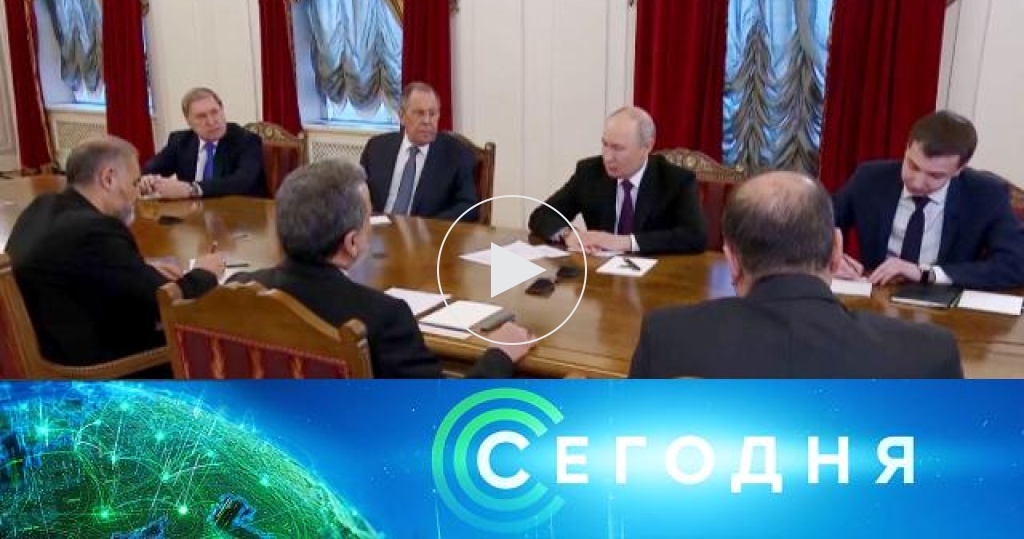
Putin Meets Iranian Foreign Minister as Rare April Snowstorm Paralyzes Central Russia
MOSCOW — Russian President Vladimir Putin met with Iranian Foreign Minister Abbas Araghchi in the Kremlin on Monday, April 27, 2026, in a high-profile diplomatic encounter that underscored deepening ties between Moscow and Tehran amid a backdrop of extreme weather chaos across central Russia. The meeting, which lasted over two hours, came as an unprecedented late-April snowstorm—described by meteorologists as an “Arctic blast”—blanketed Moscow, the Moscow region, and several neighboring oblasts, causing widespread disruptions to transportation, power supply, and daily life.
The Kremlin confirmed the meeting in a brief statement released on Tuesday, April 28, but provided few details about the substance of the discussions. However, the timing of the visit—just days after Iran announced a new round of uranium enrichment and amid escalating tensions between Tehran and Western powers—has fueled speculation about the strategic implications of the talks. Meanwhile, emergency services in Russia scrambled to restore power to thousands of households and clear snow-blocked roads as temperatures plunged to near-freezing levels in what meteorologists called a “once-in-a-decade” weather anomaly for late April.
For residents of Moscow and surrounding regions, the snowstorm was not just an inconvenience but a full-blown crisis. Videos shared on social media showed snowdrifts reaching the height of car roofs, collapsed tree branches blocking streets, and long lines of vehicles stranded on highways. The Russian Ministry of Emergency Situations (EMERCOM) reported that over 1,200 emergency calls were received in Moscow alone by Monday evening, with crews working around the clock to restore electricity to affected areas. By Tuesday morning, power had been restored to most households, but officials warned that further disruptions could occur if the snowfall continued.
The Kremlin Meeting: A Signal to the West?
The meeting between Putin and Araghchi was the first high-level encounter between Russian and Iranian officials since Iran’s recent announcement that it had begun enriching uranium to 60% purity at its Fordow facility—a move that has drawn sharp criticism from the United States and European Union. Whereas neither the Kremlin nor Iran’s Foreign Ministry has released a detailed readout of the discussions, analysts suggest the meeting was likely aimed at coordinating responses to Western sanctions, discussing energy cooperation, and exploring ways to bypass the U.S. Dollar in bilateral trade.
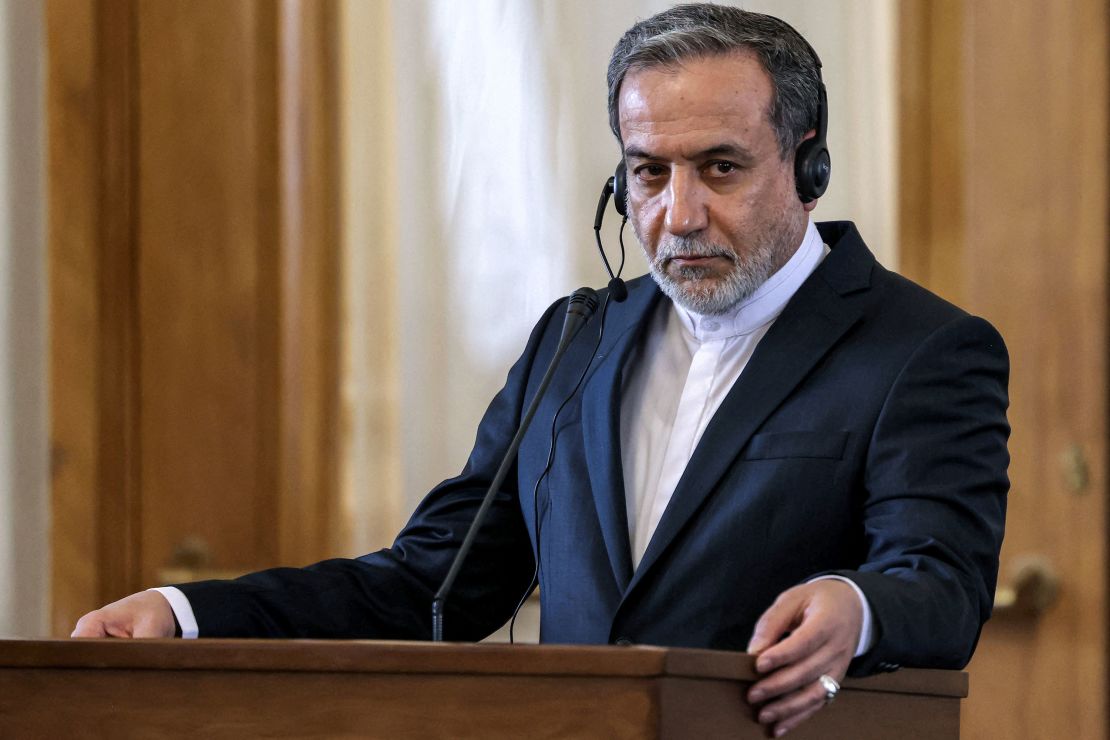
Araghchi, a seasoned diplomat who previously served as Iran’s chief nuclear negotiator during the 2015 Joint Comprehensive Plan of Action (JCPOA) talks, arrived in Moscow on Sunday evening. His visit was not publicly announced in advance, a common practice for high-stakes diplomatic engagements. According to Reuters, which cited two unnamed sources familiar with the discussions, the two sides discussed “regional security issues, including the situation in Syria and the South Caucasus, as well as economic cooperation in the face of Western sanctions.”

The meeting also comes at a time when both Russia and Iran are facing increasing isolation on the global stage. Russia is grappling with the economic and military consequences of its ongoing war in Ukraine, while Iran is under renewed pressure from the U.S. And its allies over its nuclear program and support for proxy groups in the Middle East. For Moscow, strengthening ties with Tehran offers a way to mitigate the impact of Western sanctions, particularly in the energy sector, where the two countries have explored joint ventures in oil and gas exploration. For Iran, closer relations with Russia provide a counterbalance to U.S. Influence and a potential lifeline for its struggling economy.
However, the Kremlin has been careful to frame the meeting as part of its broader foreign policy agenda rather than a direct challenge to the West. In a statement to reporters on Tuesday, Kremlin spokesperson Dmitry Peskov described the talks as “constructive” and “focused on bilateral cooperation,” adding that “Russia and Iran share a common vision of a multipolar world order and are committed to strengthening their strategic partnership.”
An Arctic Blast in Late April: A Weather Anomaly with Far-Reaching Consequences
While the diplomatic meeting in Moscow captured global attention, the extreme weather event unfolding across central Russia was equally unprecedented. Meteorologists attributed the snowstorm to a rare “Arctic outbreak,” in which a mass of cold air from the Arctic Circle descended southward, colliding with warmer air masses over central Russia. The result was heavy snowfall, strong winds, and plummeting temperatures—conditions more typical of mid-winter than late April.
According to Russia’s Hydrometeorological Center, Moscow received over 20 centimeters (8 inches) of snow in a 24-hour period, with some areas in the Moscow region recording up to 30 centimeters (12 inches). The snowfall was accompanied by winds gusting up to 15 meters per second (33 miles per hour), creating blizzard-like conditions and reducing visibility to near zero in some areas. Temperatures dropped to -2°C (28°F) in Moscow, a sharp contrast to the seasonal average of 12°C (54°F) for late April.
The storm caused widespread disruptions to transportation networks. Moscow’s Sheremetyevo, Domodedovo, and Vnukovo airports reported delays and cancellations for dozens of flights, while the city’s public transportation system—including buses, trams, and the metro—experienced significant delays. The Moscow region’s governor, Andrei Vorobyov, declared a state of emergency in several districts, urging residents to avoid non-essential travel. “The situation is critical,” Vorobyov said in a telegram post on Monday. “We are doing everything possible to restore normalcy, but we inquire residents to stay home if possible.”
Emergency crews worked through the night to clear snow from roads and restore power to affected areas. By Tuesday morning, EMERCOM reported that power had been restored to over 95% of households in Moscow and the surrounding region, though some rural areas remained without electricity. The agency also warned of the risk of flooding as temperatures were expected to rise in the coming days, causing rapid snowmelt.
The snowstorm also had a significant impact on agriculture, particularly in the regions of Tula, Ryazan, and Kaluga, where farmers were preparing for the spring planting season. Local authorities reported that the weight of the snow had damaged greenhouses and delayed the start of planting, raising concerns about potential food supply disruptions later in the year. “This is a serious setback,” said Ivan Petrov, a farmer in the Tula region, in an interview with Vedomosti. “We were already facing challenges due to the war in Ukraine and rising fuel costs. Now, we have to deal with this.”
What Happens Next?
As Moscow and Tehran navigate their diplomatic and economic partnership, the immediate focus for Russian authorities will be on recovering from the snowstorm. Weather forecasts predict a gradual warming trend in the coming days, with temperatures expected to rise above freezing by the weekend. However, meteorologists warn that the risk of flooding remains high as the snow melts, particularly in low-lying areas.
For the Kremlin, the meeting with Araghchi is likely just the beginning of a series of high-level engagements with Iranian officials. According to Al Jazeera, which cited sources in Tehran, Araghchi’s visit could pave the way for a meeting between Putin and Iranian President Ebrahim Raisi later this year. Such a summit would mark a significant step in deepening bilateral ties and could include discussions on military cooperation, energy projects, and joint efforts to circumvent Western sanctions.
In the meantime, the Kremlin has not ruled out further diplomatic engagements with other key partners, including China, Turkey, and members of the BRICS alliance. With Russia’s relations with the West at their lowest point in decades, Moscow appears to be doubling down on its “pivot to the East,” seeking to build alternative economic and political alliances to counterbalance Western influence.
Key Takeaways
- Diplomatic Significance: The meeting between Putin and Araghchi highlights the growing strategic partnership between Russia and Iran, particularly in the face of Western sanctions and geopolitical isolation.
- Weather Crisis: The late-April snowstorm in central Russia was a rare and severe weather event, causing widespread disruptions to transportation, power supply, and agriculture.
- Economic Impact: The storm has raised concerns about potential food supply disruptions, particularly in regions where planting has been delayed due to snow damage.
- Regional Security: The discussions between Moscow and Tehran likely included regional security issues, such as the situations in Syria and the South Caucasus, as well as economic cooperation.
- Next Steps: The meeting could set the stage for a potential summit between Putin and Iranian President Ebrahim Raisi later this year, further solidifying bilateral ties.
FAQ
Why did Iranian Foreign Minister Abbas Araghchi visit Moscow?
Araghchi’s visit to Moscow is widely seen as part of efforts to strengthen bilateral ties between Russia and Iran, particularly in the face of Western sanctions. The discussions likely covered regional security issues, economic cooperation, and ways to bypass the U.S. Dollar in trade.
What caused the late-April snowstorm in central Russia?
The snowstorm was caused by a rare “Arctic outbreak,” in which a mass of cold air from the Arctic Circle descended southward, colliding with warmer air masses over central Russia. This resulted in heavy snowfall, strong winds, and plummeting temperatures.
How did the snowstorm affect daily life in Moscow?
The snowstorm caused widespread disruptions to transportation, power supply, and daily life. Flights were delayed or canceled, public transportation experienced significant delays, and thousands of households lost power. Emergency crews worked around the clock to restore normalcy.
What are the potential long-term consequences of the snowstorm?
The snowstorm has raised concerns about potential food supply disruptions, particularly in regions where planting has been delayed due to snow damage. The rapid melting of snow in the coming days could lead to flooding in low-lying areas.
What is the significance of the Russia-Iran partnership?
The Russia-Iran partnership is significant because both countries are facing increasing isolation on the global stage. For Russia, closer ties with Iran offer a way to mitigate the impact of Western sanctions, particularly in the energy sector. For Iran, the partnership provides a counterbalance to U.S. Influence and a potential lifeline for its struggling economy.
The next official update on the diplomatic front is expected later this week, with both the Kremlin and Iran’s Foreign Ministry likely to release further statements on the outcomes of the meeting. In the meantime, residents of central Russia are bracing for the aftermath of the snowstorm, with authorities warning of potential flooding as temperatures rise.
What are your thoughts on the deepening Russia-Iran partnership? How do you consider the late-April snowstorm will impact Russia’s agricultural sector? Share your comments below and join the conversation.
Worth a look