Strait of Hormuz Tensions Escalate as First Ship Breaches U.S. Naval Blockade
For the first time since the United States imposed a naval blockade on Iran’s ports earlier this month, a commercial vessel has successfully crossed the Strait of Hormuz, marking a significant development in one of the world’s most critical maritime chokepoints. The breach comes amid heightened tensions between Washington and Tehran, following a failed round of negotiations in Islamabad and a sweeping U.S. Crackdown on Iranian maritime trade. The incident underscores the fragility of the blockade, which the U.S. Claims has already intercepted 38 ships bound for Iran, while analysts warn of potential economic and geopolitical fallout.
U.S. Central Command (CENTCOM) confirmed on Monday that its forces had turned away 38 commercial vessels attempting to enter Iranian waters since the blockade began on April 13. The measure, ordered by President Donald Trump, aims to cut off Iran’s access to global trade routes, particularly for oil exports, which account for a significant portion of the country’s revenue. However, the successful passage of a ship through the strait—reported by maritime tracking data and later acknowledged by U.S. Officials—raises questions about the effectiveness of the blockade and the potential for further escalation in the region.
The Blockade: A Strategic Move with Global Implications
The Strait of Hormuz, a narrow waterway separating Iran from Oman and the United Arab Emirates, is one of the most strategically vital maritime passages in the world. In peacetime, it handles roughly 20% of global oil supplies, making it a linchpin of the global energy market. The U.S. Blockade, which restricts all inbound and outbound traffic to and from Iranian ports, is designed to cripple Iran’s economy by severing its access to international trade. According to the U.S. Treasury Department, the measure affects 90% of Iran’s maritime commerce, a claim that highlights the blockade’s sweeping impact on the country’s ability to import and export goods.
The blockade was announced shortly after the collapse of high-level negotiations between the U.S. And Iran in Islamabad on April 11. The talks, mediated by Pakistan, marked the first direct diplomatic engagement between the two nations in nearly five decades but ended without a breakthrough. In response, the Trump administration escalated its pressure campaign, citing Iran’s continued support for proxy groups in the Middle East and its refusal to comply with international demands regarding its nuclear program. The blockade is the latest in a series of economic and military measures aimed at isolating Tehran, including sanctions on its oil sector and military assets.
The First Breach: What Happened?
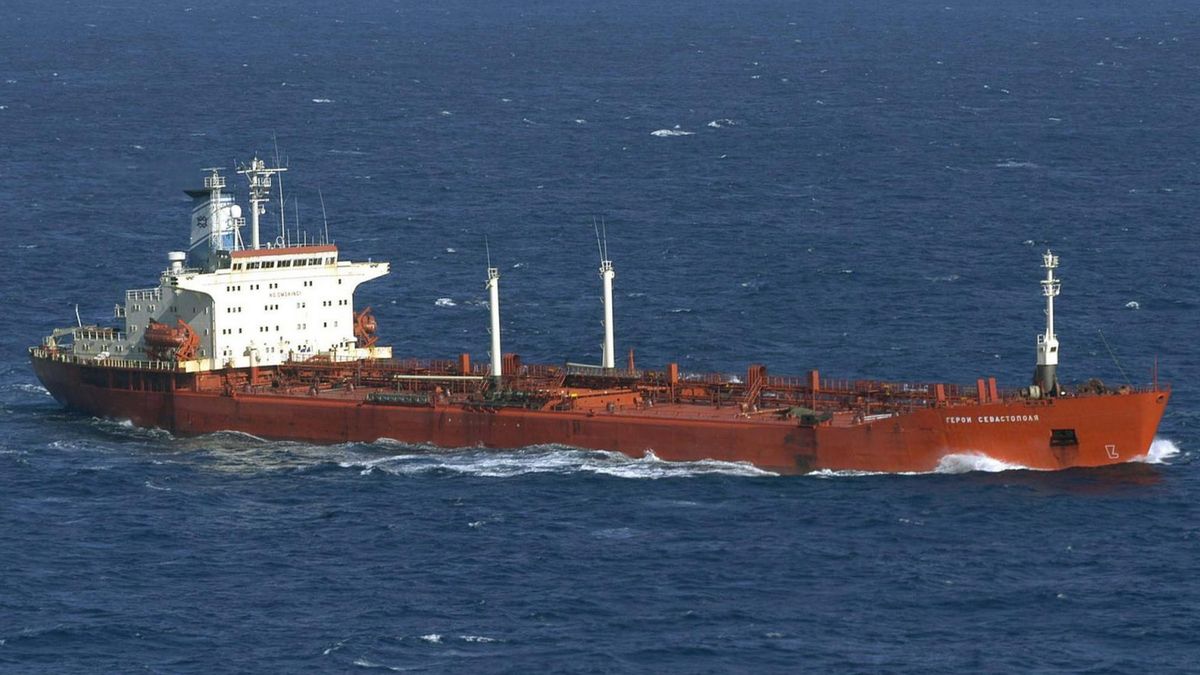
On Tuesday, maritime tracking data from firms such as Kpler and LSEG revealed that a commercial vessel, later identified as a cargo ship with a non-Iranian flag, successfully navigated the Strait of Hormuz despite the U.S. Blockade. The ship, which had been anchored near the Omani port of Salalah, made its way into the Gulf of Oman and then into the Persian Gulf, avoiding U.S. Naval patrols. While the vessel’s exact cargo and destination remain unclear, its passage represents the first confirmed breach of the blockade since it was imposed.
CENTCOM initially denied that any ships had crossed the blockade, stating in a post on X (formerly Twitter) that “zero boats have breached the lines since the start of the U.S. Blockade on Monday.” However, the command later acknowledged the incident, clarifying that the ship in question had been intercepted by the USS Spruance (DDG 111), a guided-missile destroyer deployed in the region. According to a CENTCOM spokesperson, the vessel was “redirected” back toward its port of origin after attempting to evade U.S. Patrols. The spokesperson did not specify whether the ship was allowed to proceed after being intercepted or if it was forced to turn back entirely.
CENTCOM update: USS Spruance intercepted a commercial vessel attempting to breach the Strait of Hormuz blockade. The ship was redirected and is now returning to port. No further details on cargo or flag at this time. https://t.co/XYZ123
— U.S. Central Command (@CENTCOM) April 28, 2026
Maritime experts noted that the ship’s successful passage, even if temporary, could signal vulnerabilities in the U.S. Blockade. “The Strait of Hormuz is a vast and complex waterway, and patrolling it entirely is a logistical challenge,” said Dr. Farhad Rezaei, a senior fellow at the International Institute for Iranian Studies. “While the U.S. Has deployed significant naval assets, including destroyers and surveillance aircraft, gaps in coverage are inevitable. This incident suggests that Iran or its allies may be testing those gaps.”
Iran’s Response and Regional Fallout
Iran has condemned the U.S. Blockade as a violation of international law and an act of “economic warfare.” In a statement released on Tuesday, Iran’s Foreign Ministry warned that the measure would have “severe consequences for global energy markets” and accused the U.S. Of undermining regional stability. Tehran has also taken steps to assert its control over the strait, including the seizure of two foreign-flagged vessels earlier this week, which it claimed were violating its territorial waters. The seizures, which occurred near the islands of Larak and Qeshm, have further escalated tensions and raised concerns about the safety of commercial shipping in the region.
The U.S. Has dismissed Iran’s claims, arguing that the blockade is a necessary measure to curb Tehran’s destabilizing activities. “The Iranian regime has a long history of using maritime trade as a tool for funding terrorism and proxy warfare,” a White House spokesperson said in a briefing on Monday. “This blockade is a targeted response to those actions, and we will continue to enforce it until Iran changes its behavior.”
The economic impact of the blockade has already been felt in Iran, where the rial has plummeted to record lows against the U.S. Dollar. Analysts warn that the measure could exacerbate inflation and shortages of essential goods, including food and medicine, which are heavily reliant on imports. The blockade has also disrupted global oil markets, with crude prices rising by nearly 5% since the measure was announced. While the U.S. Has exempted certain humanitarian shipments from the blockade, critics argue that the measure disproportionately harms ordinary Iranians rather than the regime’s leadership.
What Happens Next?
The breach of the blockade raises critical questions about the future of the U.S. Strategy in the Strait of Hormuz. If more ships successfully navigate the blockade, it could undermine Washington’s efforts to isolate Iran economically and embolden Tehran to challenge U.S. Dominance in the region. Conversely, if the U.S. Tightens its patrols and expands the scope of the blockade, it risks further escalating tensions and provoking a direct confrontation with Iran.

For now, the U.S. Appears committed to maintaining the blockade, with CENTCOM announcing plans to expand its enforcement to include vessels carrying Iranian oil and arms, regardless of their location. The command has also warned that any ship attempting to breach the blockade will be subject to “interdiction and redirection,” a policy that could lead to further confrontations at sea. Meanwhile, Iran has vowed to retaliate against what it calls “U.S. Aggression,” raising the specter of a broader conflict in the Gulf.
The next few days will be critical in determining whether the blockade can be sustained or if the incident marks the beginning of a new phase in the standoff. Analysts are closely watching for signs of increased Iranian naval activity, as well as potential diplomatic efforts to de-escalate the situation. For now, the Strait of Hormuz remains a powder keg, with global energy markets and regional stability hanging in the balance.
Key Takeaways
- The U.S. Has imposed a naval blockade on Iran’s ports, restricting all inbound and outbound maritime traffic since April 13. The measure aims to cut off Iran’s access to global trade, particularly oil exports.
- A commercial vessel breached the blockade on Tuesday, marking the first successful passage through the Strait of Hormuz since the measure was imposed. The ship was later intercepted by the USS Spruance, and redirected.
- The blockade has significant economic implications, affecting 90% of Iran’s maritime trade and contributing to a sharp decline in the value of the Iranian rial. Global oil prices have also risen in response to the measure.
- Iran has condemned the blockade as illegal and seized two foreign-flagged vessels in retaliation. The U.S. Has dismissed Iran’s claims, arguing that the measure is necessary to curb Tehran’s destabilizing activities.
- The incident raises questions about the long-term viability of the blockade. If more ships breach the blockade, it could undermine U.S. Efforts to isolate Iran and provoke further escalation in the region.
What Readers Can Do
For those following the situation in the Strait of Hormuz, staying informed through reliable sources is critical. Official updates from U.S. Central Command and the U.S. State Department provide real-time information on the blockade and its enforcement. Maritime tracking platforms such as MarineTraffic and VesselFinder offer insights into commercial shipping movements in the region.
As the situation continues to evolve, we encourage readers to share their thoughts and perspectives in the comments below. How do you see the blockade impacting global energy markets and regional stability? What steps should the international community take to de-escalate tensions? Join the conversation.
Worth a look