Putin Signals Potential for Negotiation, But Key Obstacles Remain in Ukraine Conflict
recent statements from Russian President Vladimir Putin suggest a willingness to explore a new peace plan for Ukraine, yet significant hurdles – especially regarding territorial control – continue to cast doubt on a swift resolution to the ongoing conflict. This comes amidst a flurry of diplomatic activity involving the US, Ukraine, and Russia, signaling a renewed, albeit cautious, push for negotiations.
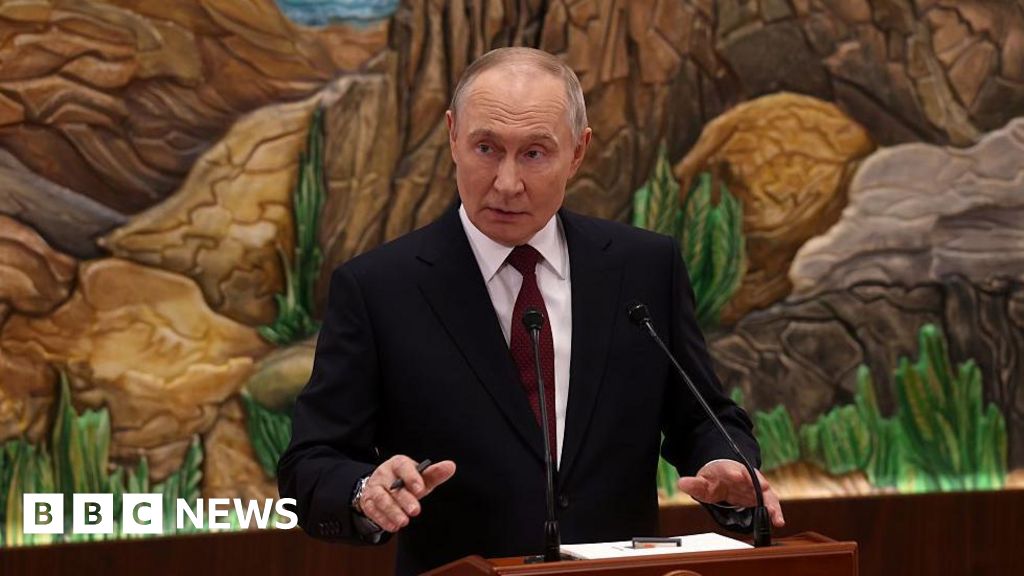
Putin addressed these developments for the first time on Thursday, acknowledging a revised draft peace plan presented to Russia. He indicated it could serve as a ”basis” for a future agreement, but stressed the need for further refinement of ”specific points” to ensure clear diplomatic language.
Slow Progress on the Battlefield
The timing of this potential opening for talks coincides with a challenging military situation for russia. According to the Institute for the Study of War, capturing the remainder of the Donetsk region is proving exceptionally costly in terms of manpower. At the current rate, a complete seizure could take nearly two more years. This underscores the strategic pressure Moscow faces, potentially incentivizing a negotiated settlement.
The Core of the Dispute: Territory and Security
The revised peace plan reportedly builds on an earlier draft from October, initially crafted by American and Russian officials. However, the initial version heavily favored Moscow’s demands and has undergone revisions. The biggest sticking points remain:
* Occupied Territories: The status of territories currently under Russian control, including Crimea and the Donbas region, is a central issue.
* Security Guarantees for Ukraine: Kyiv seeks robust security assurances to prevent future aggression.
Putin hinted at a potential compromise regarding Crimea and Donbas, suggesting a discussion with the US about recognizing de facto Russian control without formal legal recognition. This is a critical point of negotiation.
Diplomatic Shuttle Diplomacy Intensifies
The diplomatic landscape is rapidly evolving. Here’s a breakdown of key movements:
* US Delegation to Moscow: A US delegation led by special envoy Steve Witkoff is expected in Moscow next week. President Trump indicated his son-in-law, Jared Kushner, may join them.
* US Support for ukraine: US Army Secretary Dan Driscoll is scheduled to visit Kyiv later this week, demonstrating continued US support for Ukraine.
* Trump’s Conditions for a Zelensky Meeting: President Trump has stated any meeting with Ukrainian President Volodymyr Zelensky is contingent on reaching a peace agreement.
Putin’s Stance on Ukraine’s leadership
Putin reiterated his view that the current Ukrainian leadership is illegitimate, citing the country’s ongoing martial law – imposed as the full-scale invasion in February 2022 – wich has prevented scheduled elections. He argued that signing any documents with the current government would be unproductive. Ukraine’s parliament, however, unanimously affirmed President Zelensky’s legitimacy earlier this year despite the expiration of his initial term.
Dismissing European Concerns
Putin dismissed warnings from European leaders about a potential Russian attack on the European continent,calling such suggestions “laughable.” This statement contrasts sharply with the concerns voiced by European officials.
Skepticism Remains high
While the White House and President Trump have expressed optimism about the diplomatic push, European leaders remain skeptical of Russia’s intentions. Ursula von der Leyen, head of the European Commission, recently accused Russia of clinging to a post-World War II mindset, viewing Europe as a “sphere of influence” where sovereign nations can be arbitrarily divided.
What This Means for You
The situation remains fluid and complex. While Putin’s willingness to discuss a revised peace plan is a positive sign, the essential disagreements over territory and security guarantees present formidable challenges. You can expect continued intense diplomatic efforts in the coming weeks, but a breakthrough is far from guaranteed.
Looking Ahead
The next few days will be crucial. The US delegation’s visit to Moscow and Driscoll’s trip to Kyiv will provide valuable insights into the potential for progress. Ultimately, a lasting peace will require a willingness from all parties to compromise and address the core concerns of both Ukraine and Russia.
Disclaimer: This analysis is based on publicly available details as of November 17, 2023, and is subject to change as the situation evolves.
Keep reading
- US-Iran Conflict Escalates: Trump Weighs New Attacks Amid Regional Strikes
- Invesco Resists Panic as Philadelphia Semiconductor Index Drops 30%
- Baker Mayfield Feels Undervalued as Buccaneers Contract Talks Hit a Wall (time.news)
- Russian Strikes Kill 13 in Ukraine, Missile Hits Poland (newsdirectory3.com)