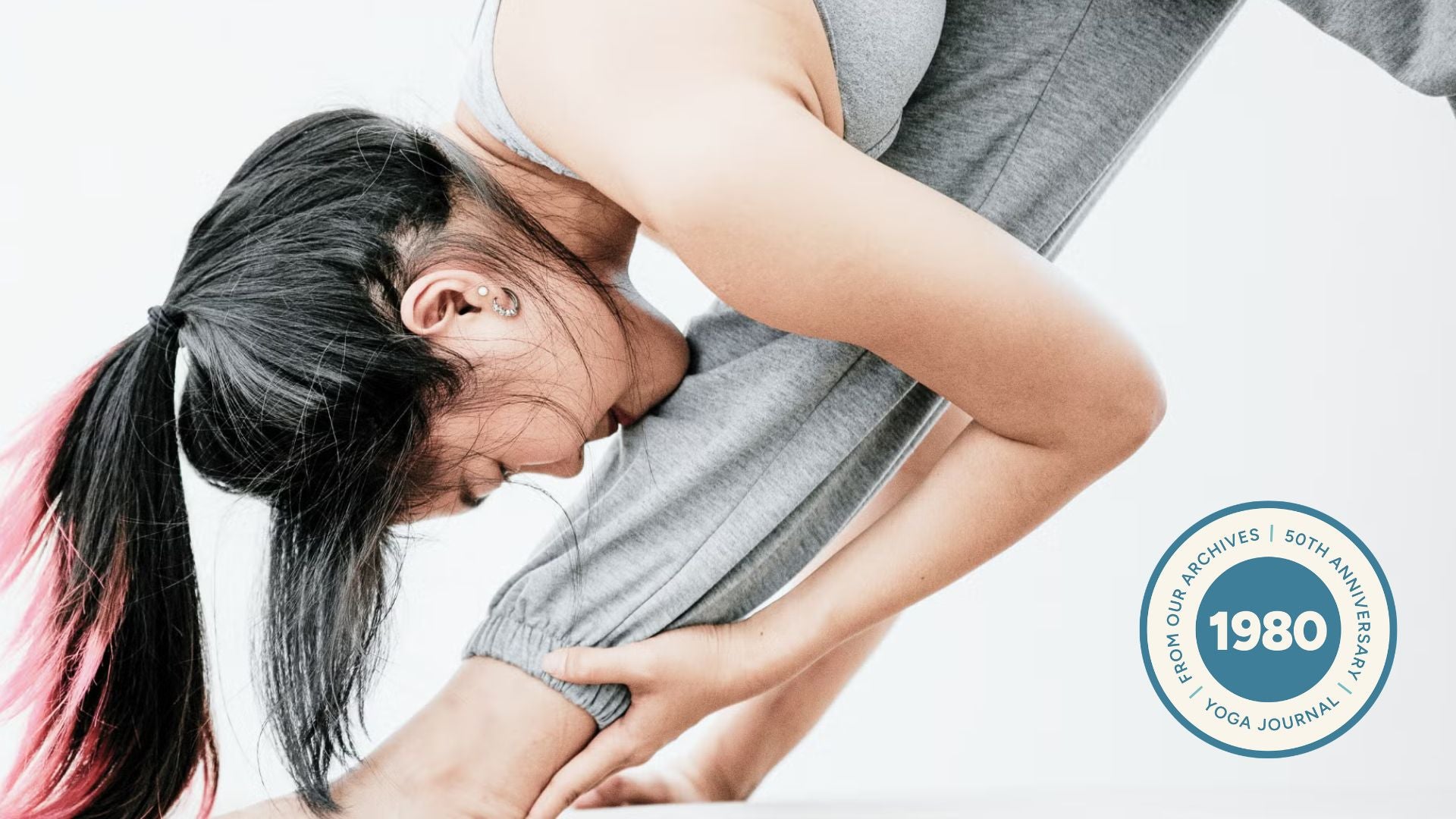
Parsvottanasana: A Deep Dive into intense Side Stretch Pose
Parsvottanasana, or Intense Side Stretch Pose, is a powerful standing posture in yoga that offers a multitude of benefits – from increased flexibility to heightened mental focus.However, it’s a pose that demands respect and mindful practice. This guide will walk you through the nuances of Parsvottanasana, ensuring you approach it safely and effectively.
Understanding the Benefits
This pose isn’t just about stretching. It’s a holistic practice that impacts your physical and mental wellbeing. Here’s what you can expect:
* Increased Flexibility: Parsvottanasana deeply stretches your hamstrings, spine, shoulders, and hips.
* Strengthened legs & Core: Maintaining stability requires engagement of your leg muscles and core.
* Improved Balance & Coordination: The pose challenges your balance, enhancing proprioception (your body’s awareness in space).
* Stimulated Abdominal Organs: The forward bend can gently massage and stimulate digestive organs.
* Calming Effect: Focusing on your breath and the sensations in your body can calm the nervous system.
Common Challenges & Safety Considerations
Many students find Parsvottanasana challenging, particularly if they have tight hamstrings or limited spinal flexibility.It’s crucial to listen to your body and modify the pose as needed.
Potential Risks:
* Hamstring Strain: Overstretching can lead to injury.
* Lower Back Pain: Rounding the spine instead of maintaining a straight back can exacerbate existing issues.
* Wrist Discomfort: Pressure on the wrists can be problematic for some.
* Dizziness: Rapid changes in blood flow can cause lightheadedness.
You are likely to be injured in forward bends if you push beyond your current range of motion. Always prioritize proper alignment over depth.
The Value of Discomfort & Discernment
Yoga isn’t about achieving a perfect pose; it’s about becoming aware of your body’s limitations. Discomfort in Parsvottanasana can reveal areas of tightness – like in your wrists or hamstrings – that you might not or else notice.
This isn’t a negative thing. Yoga reveals stiffness, it doesn’t create it. The discomfort serves as a signal, prompting you to explore your boundaries and work towards dissolving them.
A little discomfort can also sharpen your focus. It draws your attention inward, encouraging mindful breathing and presence. This focused awareness is, in essence, the beginning of meditation.
Though, it’s vital to distinguish between “good pain” and “bad pain.”
* Good pain is the sensation of a stretch, allowing you to examine your limitations.
* Bad pain is sharp, stabbing, or indicates an injury. Stop immediately if you experience bad pain.
how to Practice Parsvottanasana: A Step-by-Step Guide
Follow these instructions for a safe and effective practice:
- Start in Mountain Pose (Tadasana): Stand tall with your feet together, arms at your sides, and head level. Engage your leg muscles and draw your kneecaps up.
- Foot Placement: Inhale and jump your feet 3 to 3.5 feet apart.
- Turn Your Feet: Turn your right foot out 90 degrees and your left foot in 75-80 degrees.
- align Your Hips & Shoulders: Square your hips and shoulders towards your right leg.This is key to maintaining proper alignment.
- Forward Bend: Exhale and bend forward from your hips, keeping your back as straight as possible. Roll your shoulders back and down.
- Hand Placement: Bring your hands into a “namaste” position at your chest or extend them towards the floor (see variations below).
- Hold & Breathe: Hold the pose for several breaths, focusing on deep, even breathing.
- Repeat on the Other Side: Inhale and come back up to standing. Revolve to face the left leg and repeat the pose.
- Finalize: Jump your feet together, release