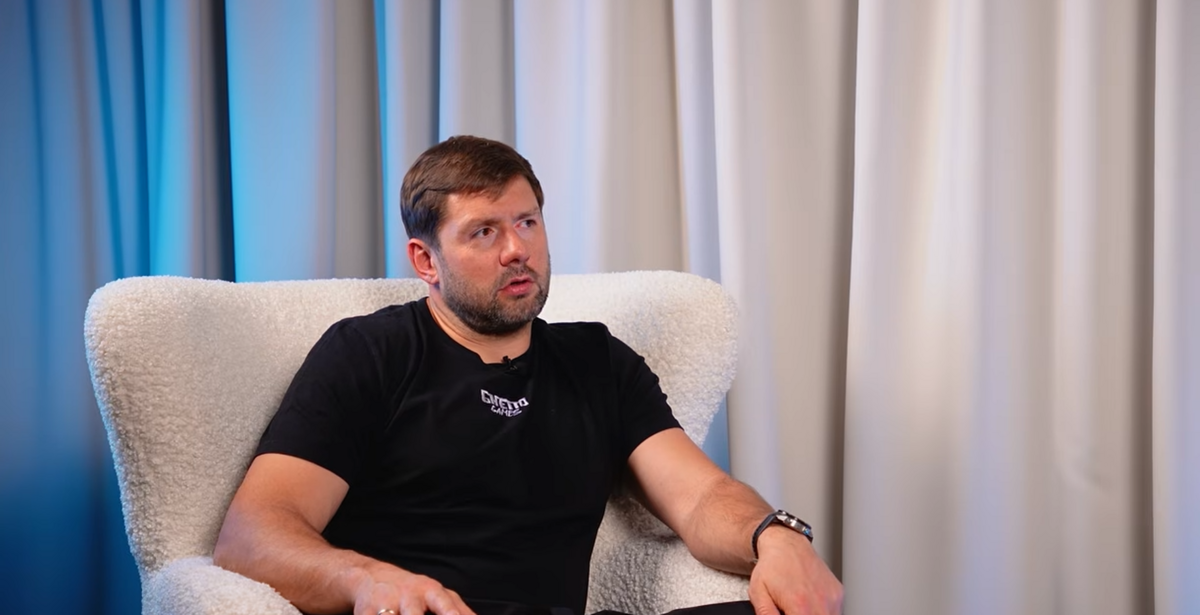
From Basketball Courts to Community Building: Raimonds Elbakjans and the Rise of Ghetto Games
Riga, Latvia – Raimonds Elbakjans, a former professional basketball player, has become a driving force in youth engagement and community development through his creation of Ghetto Games. What began as informal basketball tournaments amongst friends has evolved into a multifaceted, international movement encompassing a wide range of sports and cultural activities. Elbakjans’ journey, marked by a premature end to his athletic career and a commitment to providing opportunities for young people, is a compelling story of resilience and social entrepreneurship. He recently opened up about personal experiences in a numerology broadcast, offering a glimpse into the motivations behind his impactful perform. Born on May 13, 1986, in Riga, Elbakjans’ story is one of adapting to unforeseen challenges and channeling passion into positive change.
Elbakjans’ early life was centered around basketball. He honed his skills at Riga’s children and youth sports school “Ridzene” from 1994 to 2002, playing alongside teammates born in 1984 and 1985. His career progressed to include stints with Ventspils Basketball Club and the Latvian National Basketball U18 Team. Though, a health condition forced him to retire from professional basketball in 2005 while playing for ASKA Riga. This setback proved to be a catalyst for a new chapter, one focused on creating opportunities for others.
The Genesis of Ghetto Games
Following his retirement from professional basketball, Elbakjans sought to continue his involvement in the sport by organizing tournaments for himself and his friends, initially known as Ghetto Basket. Within two years, this informal gathering blossomed into the broader Ghetto Games movement. Recognizing the potential to engage youth through a variety of activities, Elbakjans expanded the scope beyond basketball, attracting other sports leaders and solidifying Ghetto Games as a unified street sport family. Ghetto Games is now a non-governmental organization dedicated to multi-sport events, youth street sports, and cultural expression.
Today, Ghetto Games encompasses a diverse array of disciplines, including 3×3 basketball, 3×3 football, 3×3 floorball, Ghetto Fight, Street Dance (Ghetto Dance), and extreme sports like BMX, Skateboarding, Extreme Inline, Scooters, and Wakeboarding. The organization’s growth reflects Elbakjans’ vision of providing accessible and inclusive sporting opportunities for young people, fostering a sense of community and promoting a healthy lifestyle. The organization’s reach extends beyond Latvia, becoming an international movement.
Beyond Sports: A Focus on Community and Personal Reflection
Elbakjans’ recent appearance on the Latvian numerology show “Baigais Numurs” offered a more personal insight into his life and motivations. The broadcast featured a candid discussion about his life experiences, though specific details of those experiences were not elaborated upon in available reports. This willingness to engage in open conversation highlights Elbakjans’ commitment to authenticity and connection with his audience. The show’s format suggests an exploration of the deeper meaning behind his life choices and the impact of his work.
Elbakjans is not only a leader in the sports and youth development arena but also a family man. He has two sons, Robert and Rodrigo Elbakjans, and a daughter, Adriana Elbakjana. While details about his family life are limited in publicly available sources, his role as a father likely informs his dedication to creating positive opportunities for young people within the Ghetto Games framework.
Fundraising and Leadership
As the leader and primary fundraiser for Ghetto Games, Elbakjans plays a crucial role in securing the resources necessary to sustain and expand the organization’s activities. His ability to attract funding and mobilize support is testament to his vision and the impact of Ghetto Games on the communities it serves. The organization’s non-governmental status allows it to operate independently and focus on its core mission of providing accessible sporting and cultural opportunities.
The success of Ghetto Games is not solely attributable to Elbakjans’ leadership. The organization relies on a network of dedicated sports leaders and volunteers who contribute their time and expertise to deliver its programs. This collaborative approach fosters a sense of ownership and shared responsibility, ensuring the long-term sustainability of the movement.
Looking Ahead
Raimonds Elbakjans’ journey from a promising basketball career to the founder of a thriving international movement is an inspiring example of turning adversity into opportunity. Ghetto Games continues to expand its reach and impact, providing a platform for young people to develop their skills, build community, and pursue their passions. The organization’s commitment to inclusivity and accessibility ensures that it remains a valuable resource for communities around the world.
The next steps for Ghetto Games will likely involve continued expansion into new regions and the development of innovative programs to meet the evolving needs of young people. Elbakjans’ leadership and dedication will be instrumental in guiding the organization towards a future of continued growth and positive impact. Further information about Ghetto Games’ upcoming events and initiatives can be found on their official channels.
What are your thoughts on the impact of community-led sports initiatives? Share your comments below and let us grasp how organizations like Ghetto Games are making a difference in your area.
Keep reading