
As the automotive industry pivots toward electrification, consumers are frequently confronted with a bewildering array of acronyms. Among the most discussed in recent months is the Range Extender Electric Vehicle, or REEV. While often grouped under the broad umbrella of “electrified vehicles,” the REEV represents a distinct engineering philosophy that sits at the intersection of traditional internal combustion and pure battery-electric propulsion.
For those navigating the current market, understanding the nuances of REEV technology is essential for making informed purchasing decisions. Unlike conventional hybrid systems that rely on a mix of engine and electric motor power to drive the wheels, the REEV operates as a series-hybrid. This means the vehicle is exclusively propelled by an electric motor, while a small internal combustion engine serves solely as a generator to charge the battery or provide power when energy levels are low. According to the International Energy Agency (IEA) Global EV Outlook 2024, the diversification of powertrain technologies is a critical component of global efforts to reduce transport emissions, with various hybrid configurations playing a transitional role in markets where charging infrastructure development is ongoing.
Distinguishing REEV from BEV, PHEV and HEV
To clarify the landscape, it is helpful to categorize these technologies by their primary energy source and mechanical layout. A Battery Electric Vehicle (BEV) is defined by its reliance entirely on an external power source to charge a high-capacity battery, with no internal combustion engine present. Conversely, a Plug-in Hybrid Electric Vehicle (PHEV) features both an electric motor and a combustion engine, both of which can provide power to the wheels, and requires external charging for its battery.
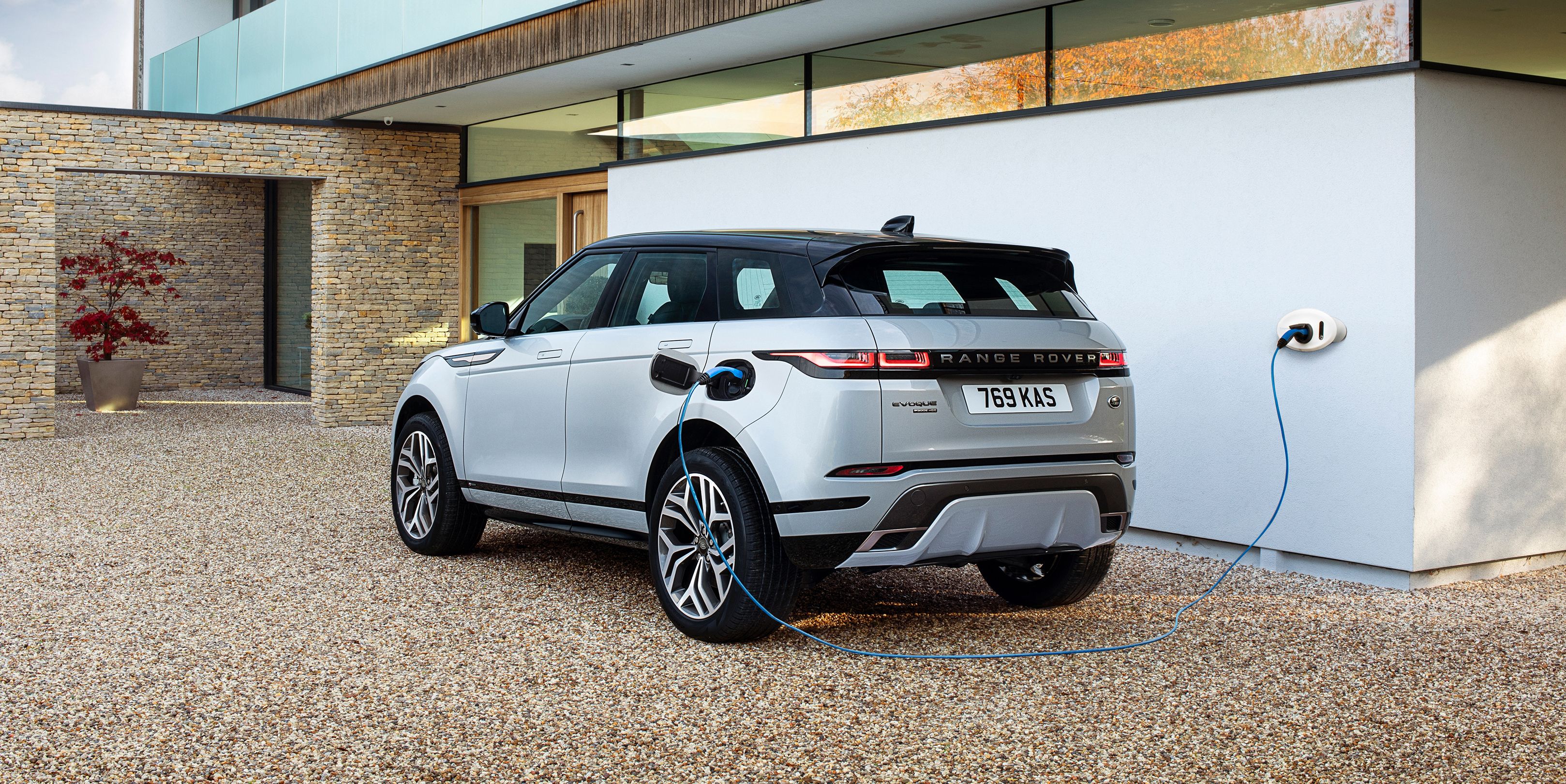
The distinction of the REEV lies in its mechanical simplicity regarding propulsion: the wheels are never turned by the combustion engine. This architecture aims to provide the driving experience of an electric vehicle—characterized by instant torque and smooth acceleration—without the “range anxiety” often associated with pure battery-only models. As noted in the Global Light-Duty Vehicle Emissions Standards, regulatory frameworks are increasingly differentiating between these vehicle types to better account for their varying tailpipe emission profiles and real-world fuel efficiency.
A standard Hybrid Electric Vehicle (HEV), meanwhile, uses the engine as the primary driver, assisted by a small battery and motor, and does not require plugging in. The REEV effectively bridges the gap between the range of a traditional car and the efficiency of an electric motor, offering a unique solution for drivers who are not yet prepared to rely solely on public charging networks.
Why the REEV Matters for Global Markets
The rise of REEV technology is largely driven by the practical challenges of transitioning to a fully electric fleet. In regions where charging infrastructure is still maturing, the ability to refuel a generator with liquid fuel while maintaining electric-drive efficiency provides a pragmatic middle ground. This model is gaining traction among manufacturers looking to offer the benefits of electric mobility to a wider consumer base.
the maintenance profile of a REEV can differ significantly from that of a conventional internal combustion vehicle. Because the electric motor handles all propulsion, there is less stress on the combustion engine, which operates at a constant, optimal RPM when in generator mode. This can lead to increased longevity for the mechanical components, though it does introduce the complexity of maintaining both an electrical system and a fuel-based generator. The National Renewable Energy Laboratory (NREL) provides ongoing research into the performance impacts of these diverse electrified powertrains on grid demand and vehicle lifecycle costs.
Key Considerations for Prospective Buyers
When considering a REEV, buyers should evaluate their daily driving patterns against the vehicle’s “pure electric” range. Because the REEV is designed to run on battery power for the majority of urban commutes, the size of the battery pack remains a primary factor in both cost and weight.
- Driving Experience: REEVs offer the quiet, responsive nature of electric motors, as the engine does not directly drive the wheels.
- Refueling Flexibility: The presence of a fuel tank eliminates the need to plan long journeys strictly around charging station availability.
- Infrastructure Impact: These vehicles reduce the immediate burden on public charging infrastructure, as they can be “refueled” at traditional filling stations.
- Total Cost of Ownership: While potentially more expensive upfront due to dual systems, the efficiency gains in urban environments can offset fuel costs over time.
As of mid-2026, manufacturers continue to refine the integration of these systems to improve thermal management and energy recovery. Readers interested in the latest model specifications should consult official manufacturer disclosures and local automotive regulatory databases for the most accurate performance figures and safety certifications. Monitoring updates from the SAE International regarding standardized testing procedures for hybrid and electric vehicle energy consumption is recommended for those seeking technical validation of manufacturer claims.
Looking Ahead
The automotive sector remains in a state of rapid evolution. As battery density improves and charging speeds increase, the long-term necessity of the range-extender architecture may be debated. However, for the current market, the REEV stands as a sophisticated bridge technology. Whether this configuration will become a permanent fixture or merely a temporary solution remains to be seen as global emissions standards tighten and consumer preferences solidify.
We encourage our readers to share their experiences with electrified powertrains in the comments section below. Are you considering a transition to electric, or does the flexibility of a hybrid or REEV system better suit your lifestyle? Join the conversation and stay tuned to the World Today Journal for further analysis on the shifting tides of the global automotive market.