Reform UK Overhauls “Britannia Card” Plan to Lure Wealthy Investors Back to Britain
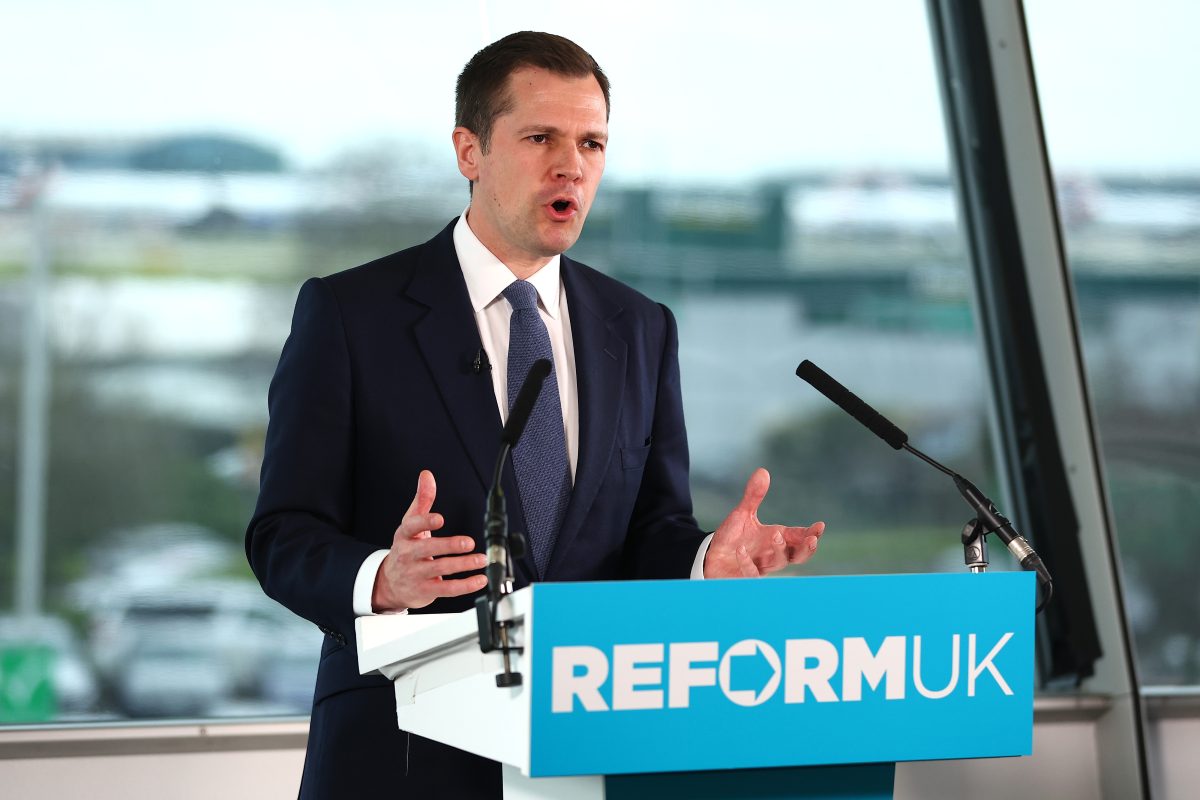
LONDON — Reform UK is set to revise its controversial “Britannia Card” proposal, a flagship policy designed to attract wealthy foreign investors to the UK by offering tax exemptions on overseas assets in exchange for a one-time £250,000 fee. The party’s Treasury spokesman, Robert Jenrick, revealed the overhaul during a speech at the Centre for Policy Studies’ Margaret Thatcher Conference last week, signaling a shift in strategy to broaden the scheme’s appeal beyond ultra-high-net-worth individuals.
Jenrick, who defected from the Conservative Party in January, described the revised proposal as “even better” than the original plan, which was criticized by tax experts for its potential £34 billion cost to the public purse over five years. The new iteration aims to attract not only the “world’s richest investors” but also “bright young people” and “young professionals” who have left the UK in recent years, according to Jenrick. The party has yet to release full details but confirmed further announcements would follow later this year.
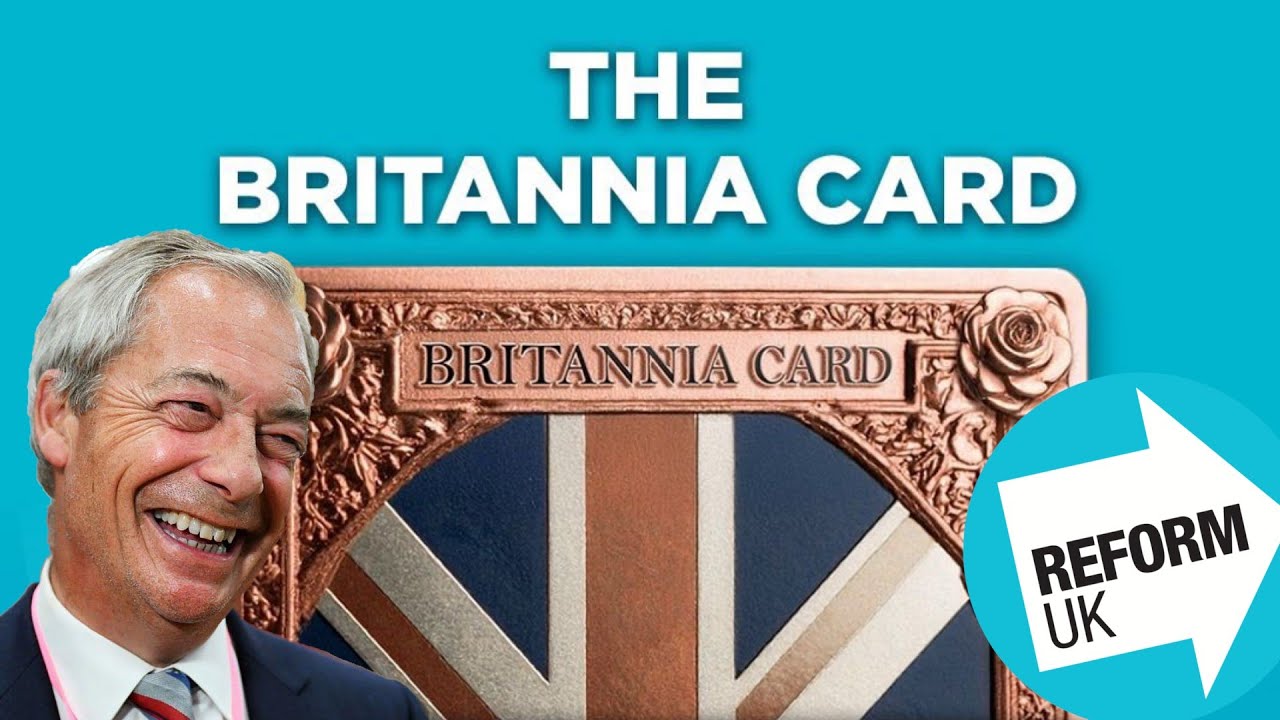
The Britannia Card was initially unveiled as Reform UK’s direct response to the Labour government’s abolition of the non-domiciled (“non-dom”) tax status in 2025. Under the original proposal, wealthy migrants would pay a £250,000 fee for a 10-year residency permit, granting them tax exemptions on foreign income and assets. The proceeds were to be redistributed to the UK’s 2.5 million lowest-paid workers—a mechanism the party framed as a “Robin Hood” measure to reduce income inequality. However, the policy faced immediate backlash from economists and tax analysts, who warned it could deter skilled professionals and exacerbate revenue losses for the Treasury.
The Original Proposal: Tax Breaks for the Wealthy, Cash for the Poor
Reform UK’s Britannia Card was first proposed in mid-2025 as an alternative to the non-dom regime, which had allowed wealthy foreign residents to avoid UK tax on overseas earnings unless those funds were brought into the country. The non-dom system, which dated back over two centuries, was scrapped by the Labour government in its 2025 Spring Budget, a move that triggered an exodus of high-net-worth individuals (HNWIs) from the UK. According to data from the Office for Budget Responsibility (OBR), approximately 1,000 non-doms were projected to leave the UK in the 2025-26 tax year alone, though officials acknowledged the estimate carried “substantial uncertainty.”
The Britannia Card sought to reverse this trend by offering a similar tax exemption—this time in exchange for a fixed £250,000 payment. The party claimed the policy would generate significant revenue, with the entire sum earmarked for direct cash transfers to the UK’s poorest workers. However, independent analysis by Tax Policy Associates estimated the policy could cost the Treasury £34 billion between 2026 and 2030, primarily due to lost tax revenue from wealthy individuals who would otherwise have paid UK taxes on their global income. Dan Neidle, founder of Tax Policy Associates, argued the policy would “deter higher earners” from moving to the UK, as the £250,000 fee would be prohibitive for many skilled professionals while offering a windfall to ultra-wealthy individuals already residing in the country.
Zia Yusuf, a former adviser to Reform UK leader Nigel Farage, was the architect of the original Britannia Card proposal. Yusuf and Neidle engaged in a public spat over the policy’s merits, with Yusuf defending the scheme as a way to “attract entrepreneurs and job creators” back to the UK. Farage, meanwhile, positioned the policy as a means to “make the gap between being on benefits and going to operate bigger,” framing it as both an economic stimulus and a welfare reform.
Jenrick’s Revisions: A Broader Appeal?
Since joining Reform UK in January 2026, Jenrick has sought to reshape the party’s economic agenda, emphasizing fiscal responsibility while retaining populist policies aimed at older voters. His announcement of a revised Britannia Card reflects this balancing act, with the party now promising a scheme that appeals to a wider demographic—including young professionals and skilled migrants—rather than just the ultra-wealthy.
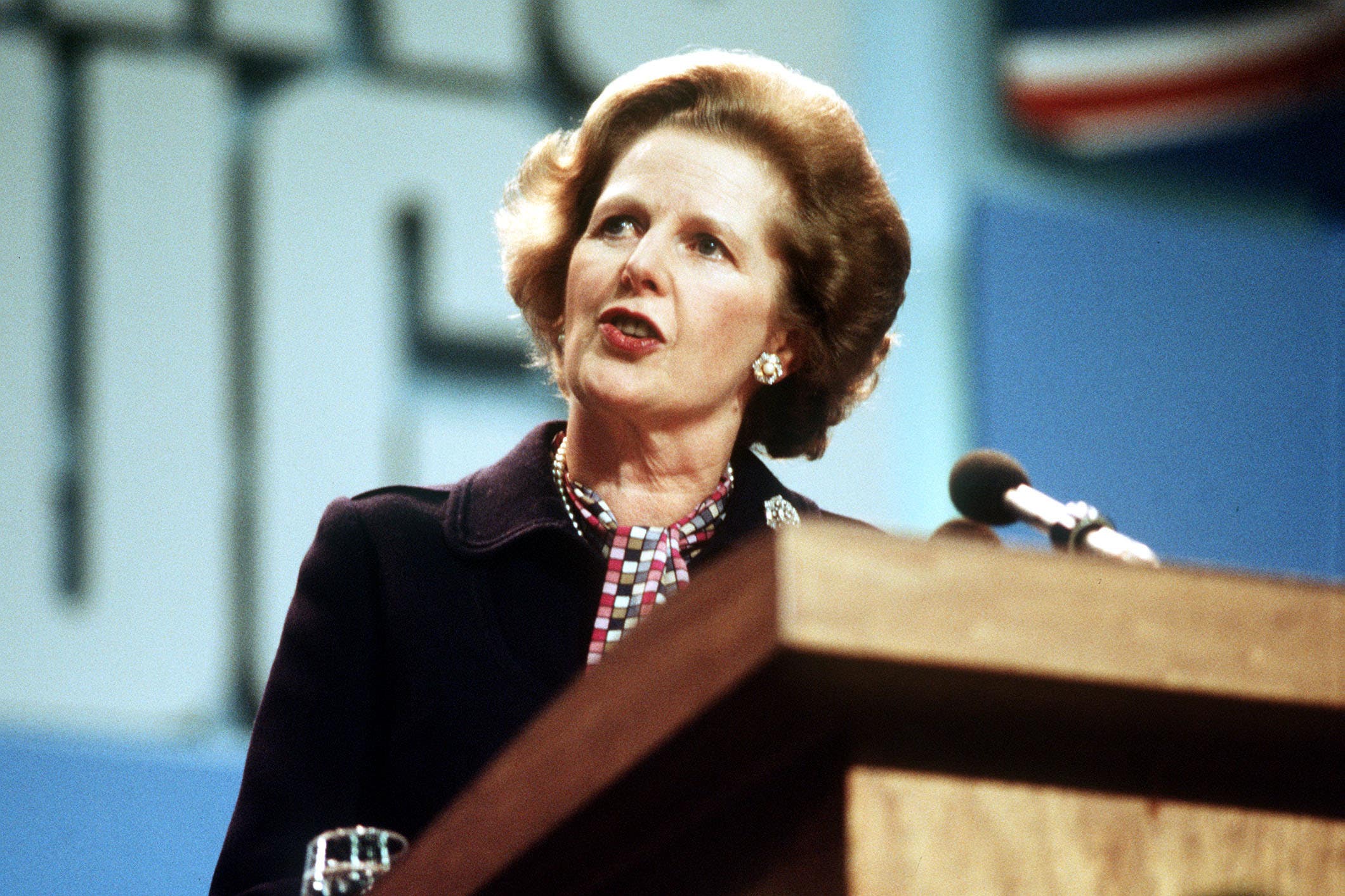
Speaking at the Margaret Thatcher Conference, Jenrick said: “We think You can do something even better. It’s not going to be called non-doms, but I want to have a regime that we could put in place on day one of a Reform government that welcomes back everyone who’s left the country, whether that’s bright young people who’ve gone to live abroad, young professionals, or the world’s richest investors.”
Jenrick did not provide specifics on how the revised policy would differ from the original, but his emphasis on attracting “bright young people” suggests a potential reduction in the £250,000 fee for certain categories of migrants. The party has also hinted at introducing tiered pricing or additional incentives for investors who create jobs or contribute to specific sectors, such as technology or green energy. However, these details remain unconfirmed, and Reform UK has not yet released a formal policy document.
The shift in tone aligns with Jenrick’s broader efforts to position Reform UK as a credible alternative to the Conservatives, particularly in the eyes of financial markets. In recent months, Jenrick has pledged to retain the Office for Budget Responsibility (OBR) and maintain the independence of the Bank of England—commitments seen as attempts to reassure investors ahead of a potential general election. The party has also confirmed it would retain the “triple lock” pension, which guarantees state pension increases in line with the highest of inflation, wage growth, or 2.5%. While economists have criticized the triple lock as fiscally unsustainable, it remains popular among older voters, a key demographic for Reform UK.
Criticism and Challenges
The Britannia Card has faced criticism from across the political spectrum. Labour and the Liberal Democrats have dismissed it as a “tax break for the super-rich,” arguing that it would undermine the UK’s tax base while doing little to address structural inequality. The Green Party has gone further, labeling the policy “a race to the bottom” that would incentivize tax avoidance and erode public trust in the tax system.
Tax experts have also raised concerns about the policy’s feasibility. The OBR’s projections suggest that even a modest uptake of the Britannia Card could result in significant revenue losses, particularly if wealthy individuals who would otherwise have paid UK taxes on their global income opt for the exemption instead. The Institute for Fiscal Studies (IFS) has warned that such policies could “distort migration patterns” by favoring the ultra-wealthy over skilled professionals who contribute to the economy through income tax and National Insurance contributions.
There are also practical challenges. The UK’s non-dom regime was phased out in 2025 after decades of controversy, with critics arguing it allowed wealthy individuals to avoid paying their fair share of taxes. Reintroducing a similar system—even under a different name—could face legal and political hurdles, particularly if the European Union or other international bodies view it as a form of unfair tax competition. The policy’s “Robin Hood” redistribution mechanism has been questioned, with some economists arguing that direct cash transfers to low-income workers are an inefficient way to reduce poverty compared to targeted welfare reforms or public investment.
What Happens Next?
Reform UK has confirmed that further details on the revised Britannia Card will be announced later this year, likely as part of the party’s broader economic manifesto ahead of the next general election. Jenrick’s comments suggest the policy will be a centerpiece of Reform UK’s pitch to voters, particularly those disillusioned with the Conservative Party’s handling of the economy.
For now, the proposal remains a work in progress, with key questions unanswered. Will the £250,000 fee be reduced or tiered for different categories of migrants? How will the policy ensure that wealthy individuals do not exploit the system to avoid UK taxes? And can Reform UK convince voters—and financial markets—that the Britannia Card is a viable solution to the UK’s economic challenges, rather than a giveaway to the rich?
The answers to these questions could shape not only Reform UK’s electoral prospects but also the future of UK tax policy. With the next general election expected in 2027, the clock is ticking for Jenrick and his party to deliver a proposal that balances fiscal responsibility with political appeal.
Key Takeaways
- Reform UK is revising its “Britannia Card” proposal, a policy designed to attract wealthy foreign investors by offering tax exemptions on overseas assets in exchange for a £250,000 fee.
- The original proposal faced criticism for its potential £34 billion cost to the Treasury over five years and its focus on ultra-high-net-worth individuals.
- Robert Jenrick, Reform UK’s Treasury spokesman, has hinted at a broader appeal, targeting “bright young people” and “young professionals” in addition to wealthy investors.
- The policy is part of Reform UK’s response to the Labour government’s abolition of the non-dom tax status in 2025, which led to an exodus of high-net-worth individuals from the UK.
- Further details are expected later this year, with the revised proposal likely to feature in Reform UK’s economic manifesto ahead of the next general election.
FAQ
What is the Britannia Card?
The Britannia Card is a proposed 10-year residency permit for wealthy foreign investors, allowing them to pay a one-time £250,000 fee in exchange for tax exemptions on overseas income and assets. The proceeds would be redistributed to the UK’s lowest-paid workers.

Why is Reform UK revising the proposal?
The original policy faced criticism for its high cost to the Treasury and its focus on ultra-wealthy individuals. The revised version aims to attract a broader range of migrants, including young professionals and skilled workers.
How does the Britannia Card differ from the non-dom regime?
The non-dom regime allowed wealthy foreign residents to avoid UK tax on overseas earnings unless those funds were brought into the country. The Britannia Card offers a similar tax exemption but requires a fixed £250,000 payment upfront, with the proceeds earmarked for redistribution to low-income workers.
What are the criticisms of the policy?
Critics argue the Britannia Card could cost the Treasury billions in lost revenue, deter skilled professionals from moving to the UK, and undermine public trust in the tax system. Some economists also question the effectiveness of its “Robin Hood” redistribution mechanism.
When will more details be announced?
Reform UK has confirmed that further details on the revised Britannia Card will be announced later this year, likely as part of the party’s economic manifesto ahead of the next general election.
We will continue to monitor developments on this story. Join the conversation in the comments below and share this article to maintain others informed.
Related reading