
Arthur Engoron, the New York judge who presided over the high-profile civil fraud trial of Donald Trump, continues to receive harassing messages long after the conclusion of the proceedings. Despite having retired from his position on the bench, Engoron reports that the threats directed at his home and office persist, marking a sustained period of security concerns following his ruling that found the former president liable for business fraud.
According to court records and public statements, the security measures surrounding Engoron were significantly heightened throughout the trial, which saw the judge impose a $354.9 million penalty against Donald Trump and his business entities for inflating asset values. The intensity of the vitriol directed at the judiciary has prompted broader discussions among legal scholars regarding the protection of public servants in an era of heightened political polarization.
The Scope of Threats Against the Judiciary
The harassment faced by Engoron was not limited to digital communications; it included direct threats that necessitated intervention by law enforcement. During the most active phases of the civil fraud litigation, the judge’s chambers were inundated with messages that officials categorized as serious security risks. The New York court system, overseen by the Office of Court Administration, implemented protective protocols to ensure the safety of the judge and his staff as the trial gained international attention.

Data from the U.S. Marshals Service indicates a rising trend in threats against federal and state judicial officials nationwide, often tracking with high-profile political developments. In the case of the New York fraud trial, the rhetoric used by the defendant on social media platforms was frequently cited by legal experts as a contributing factor in the volume of hostile communications received by the court. The U.S. Marshals Service maintains that such intimidation tactics pose a direct challenge to the independence of the judicial branch.
Legal Precedents and Protections for Judges
The persistence of these threats raises critical questions about how the legal system protects its arbiters. Under New York law, individuals who engage in the harassment of public servants can face criminal charges, yet the anonymous nature of digital communication makes prosecution difficult. Engoron’s experience mirrors that of other judges who have presided over cases involving sensitive political figures, where the line between protected speech and criminal intimidation is often tested.
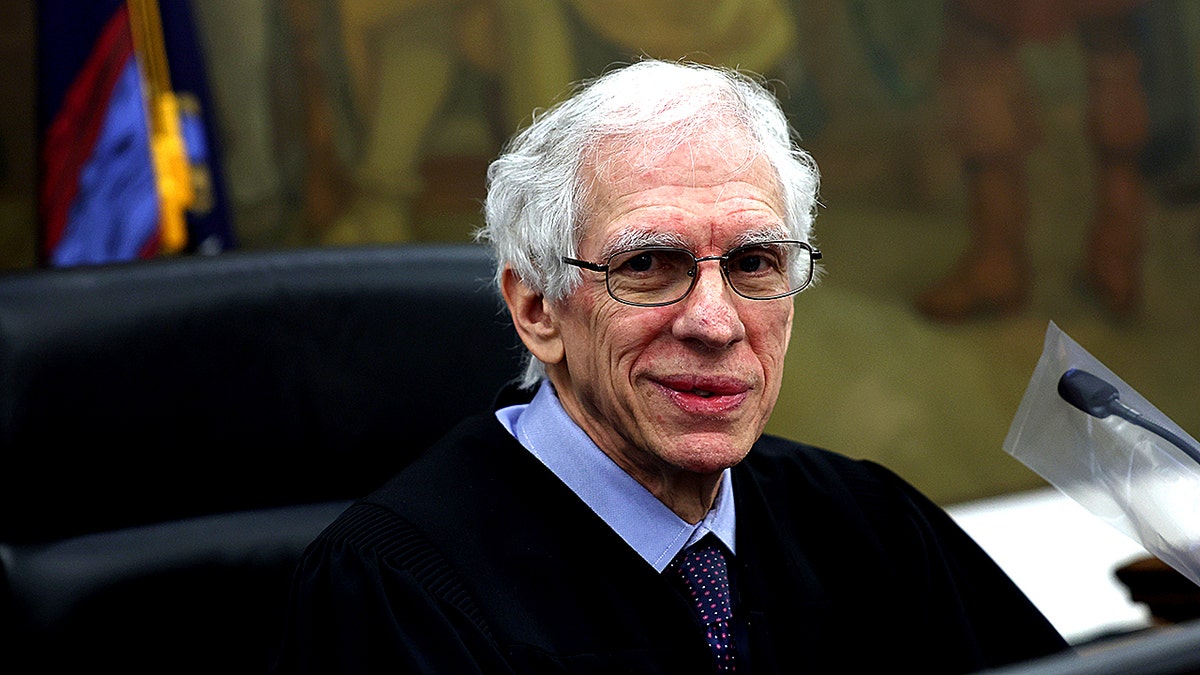
Legal analysts note that the New York State Unified Court System has had to modernize its security infrastructure to combat the digital nature of these threats. This includes monitoring for “doxing”—the public release of private information—which occurred during the trial, forcing the court to redact personal details of staff members to prevent physical targeting. The ongoing nature of these messages suggests that the conclusion of a trial does not necessarily signal the end of the security risk for those involved in the decision-making process.
Comparing Judicial Security Trends
When assessing the current climate, experts often contrast the experience of Arthur Engoron with other recent cases involving political figures. While previous decades saw isolated incidents of threats against judges, the current volume is described by the National Center for State Courts as a systemic shift. The following table outlines the key differences in how judicial security is managed today compared to historical norms:
| Factor | Historical Norm (Pre-2010) | Current Environment |
|---|---|---|
| Primary Threat Vector | Physical presence at court | Digital harassment and doxing |
| Security Response | Local court officers | Federal and state inter-agency coordination |
| Public Discourse | Limited to traditional media | Real-time social media amplification |
What Happens Next in the Legal Process
While Arthur Engoron has entered retirement, the legal consequences of his rulings remain active. The judgment against Donald Trump is currently subject to the appellate process within the New York court system. According to filings with the New York Supreme Court Appellate Division, First Department, the appeals process will determine the finality of the financial penalties and the restrictions placed on the defendant’s business operations.

The court system has not announced any changes to the security status of the retired judge, as the threats continue to be monitored by local law enforcement. Observers expect that future judicial proceedings involving high-profile political figures will continue to prioritize security as a standard component of courtroom management. For those interested in tracking the progress of the ongoing appeal or official court updates, the New York State Courts Electronic Filing (NYSCEF) system remains the primary source for verified documentation.
Readers are encouraged to share their perspectives on the balance between judicial independence and public accountability in the comments section below.
Related reading