
The United States and Iran have electronically signed a Memorandum of Understanding (MoU) that establishes a new economic framework for the Islamic Republic, according to documents released by the U.S. government. The agreement, which is scheduled for formal ratification in Switzerland this Friday, has drawn immediate criticism from observers who argue the terms offer a significant economic lifeline to the Iranian regime following recent military hostilities.
While the Trump administration maintains that the deal required substantial concessions from Tehran, analysts suggest the memorandum arrives at a critical juncture for Iran’s struggling economy. The document outlines 14 specific points intended to govern bilateral economic interactions, a move that follows a period of heightened conflict involving United States and Israeli forces that began on February 28.
What are the core components of the 14-point memorandum?
A high-ranking official from the Donald Trump administration presented the 14-point framework to journalists, defending the agreement as a balanced diplomatic outcome. According to the official, the memorandum includes significant concessions from Tehran that are necessary to stabilize the regional economic environment. The official argued that these concessions were essential to move past the recent escalation of hostilities.
The specific details of the 14 points remain the subject of intense scrutiny by international policy experts. Critics of the deal have pointed to the text, suggesting that the terms are disproportionately favorable to Tehran. These observers argue that the memorandum effectively mitigates the economic pressure that had been applied to the Islamic Republic prior to the outbreak of the February conflict.
The administration’s defense of the 14 points focuses on the necessity of a structured agreement to prevent further regional instability. However, the debate over whether the concessions are “great,” as the administration claims, or insufficient, as critics suggest, remains a central point of contention in Washington and among international allies.
Why is the agreement described as an economic lifeline for Iran?
The memorandum is being characterized as an economic lifeline because it provides a pathway for financial stabilization at a time when the Iranian regime was facing severe economic distress. According to reports regarding the state of the Iranian economy, the regime was experiencing its “lowest hours” of stability and liquidity just before the onset of the war on February 28.
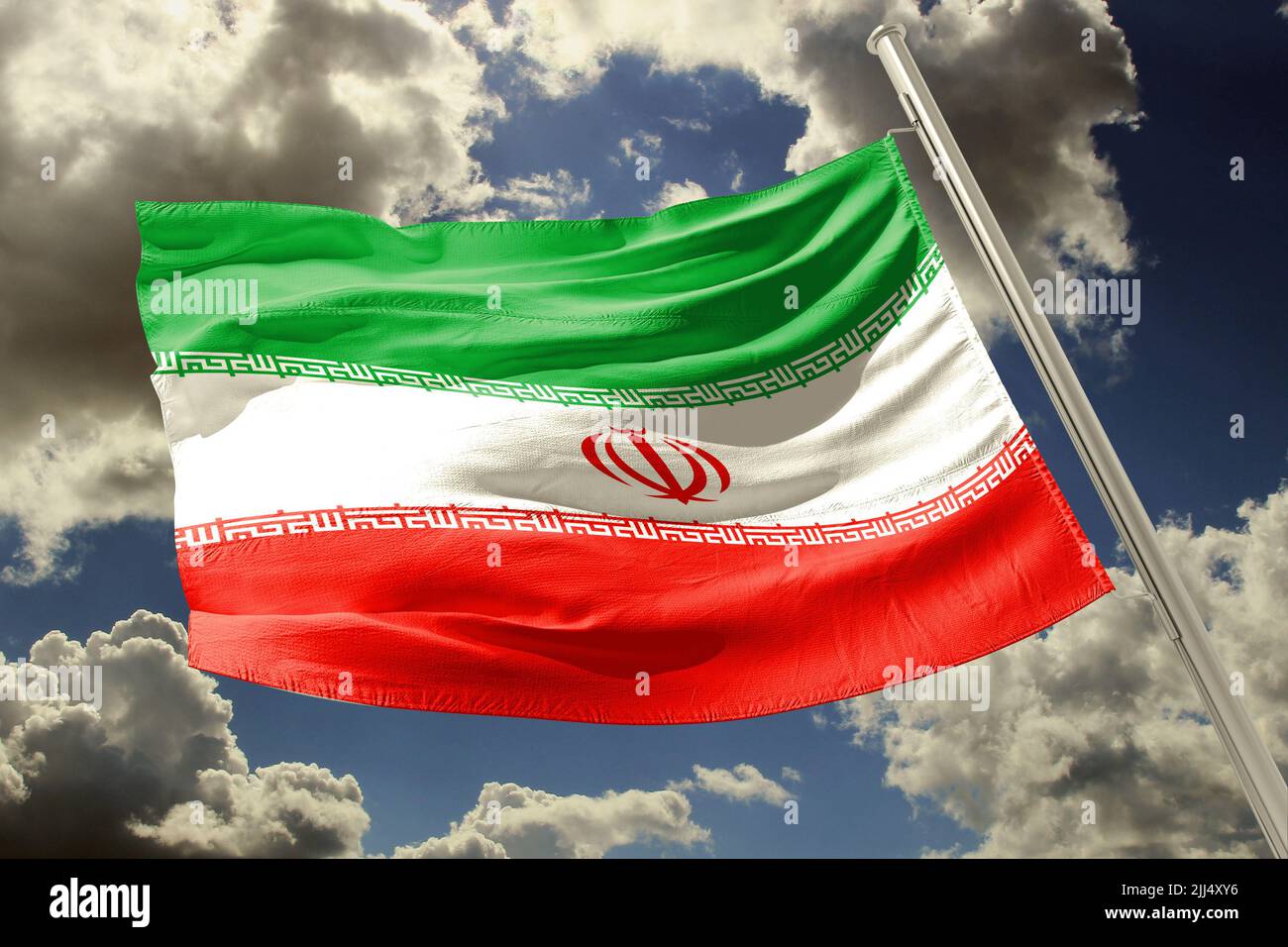
Economic analysts suggest that the memorandum may facilitate several key areas of relief for the Islamic Republic:
- Liquidity Access: The framework may provide channels for the movement of capital that were previously restricted by sanctions or conflict-related freezes.
- Regime Stability: By addressing immediate economic vulnerabilities, the agreement may bolster the internal stability of the Iranian government.
- Market Re-entry: The 14-point structure could serve as a precursor to broader reintegration into specific global economic sectors.
The timing of the electronic signing this Wednesday is seen by many as a strategic move to bolster the regime’s economic position. The transition from a state of near-economic collapse to a formalized memorandum of understanding represents a significant shift in the financial trajectory of the Islamic Republic.
How does the February conflict influence the terms of the deal?
The geopolitical context of the memorandum is inextricably linked to the military conflict initiated by the United States and Israel on February 28. The war has fundamentally altered the bargaining positions of all parties involved, with some analysts suggesting that the Islamic Republic has emerged as a practical winner in the aftermath of the hostilities.
The conflict created a high-pressure environment that necessitated a diplomatic exit strategy. For the United States, the memorandum represents an attempt to formalize a ceasefire or a period of de-escalation through economic terms. For Iran, the agreement provides a mechanism to recover from the economic shocks exacerbated by the war.
The relationship between the military outcomes and the economic terms of the MoU is a primary focus for regional security experts. The argument that the terms are “more favorable to Tehran than to Washington” stems from the view that the memorandum provides the regime with much-needed economic breathing room without requiring a complete overhaul of its domestic or regional policies.
What is the timeline for the Swiss ratification?
The memorandum is currently in a transitional phase between electronic signature and formal legal standing. Having been signed electronically this Wednesday, the document must now undergo a formal ratification process to become fully binding under international law.

The next major milestone is scheduled for this Friday, when representatives from both the United States and Iran are expected to meet in Switzerland to ratify the agreement. Switzerland’s role as a neutral intermediary is expected to provide the necessary diplomatic environment for the finalization of the 14-point framework.
The outcome of the Swiss meeting will determine whether the memorandum moves from a preliminary understanding to a formal treaty. Global markets and diplomatic corps are closely monitoring the proceedings in Switzerland, as the ratification will signal the official commencement of the new economic era between the two nations.
Comparison of Perspectives on the Memorandum
| Feature | Trump Administration View | Critic/Analyst View |
|---|---|---|
| Nature of Concessions | Tehran has made “great concessions.” | Terms are disproportionately favorable to Tehran. |
| Economic Impact | A tool for regional stability. | An economic “lifeline” for a weakened regime. |
| Conflict Outcome | A pathway to de-escalation. | Tehran is the practical winner of the war. |
The formal ratification process in Switzerland is the next confirmed checkpoint in this diplomatic development. Official updates regarding the final text and the specific outcomes of the Friday meeting are expected to follow the conclusion of the Swiss sessions.
What are your thoughts on the economic implications of this memorandum? Share this article and join the conversation in the comments below.