
Laser Engraving Inside Crystals: The Futuristic Art and Tech Transforming 3D Design
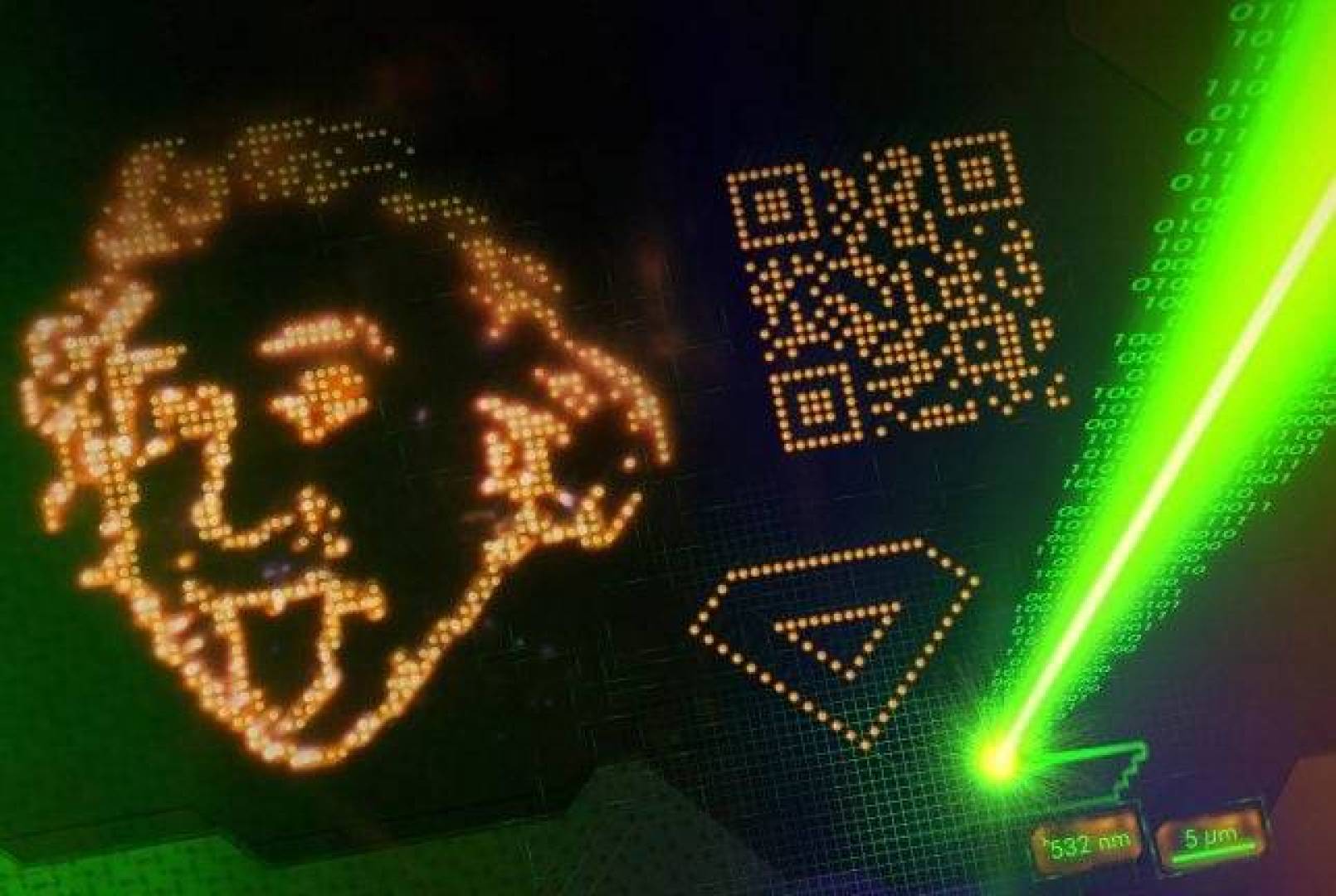
In a quiet revolution beneath the surface of glass and crystal, a cutting-edge laser technique is turning ordinary materials into breathtaking works of art and precision engineering. Known as subsurface laser engraving, this technology allows intricate designs, portraits and even three-dimensional sculptures to be permanently etched inside transparent crystals without damaging their outer surfaces. What was once a niche industrial process has now become a global phenomenon, captivating artists, engineers, and consumers alike with its blend of beauty, and innovation.
At its core, subsurface laser engraving uses high-energy lasers to create microscopic modifications deep within a crystal’s structure. Unlike traditional engraving, which scratches or carves the surface, this method focuses the laser’s energy a few millimeters below the material, causing localized heating and melting. When the material resolidifies, it leaves behind tiny, permanent alterations that scatter light in precise patterns, forming detailed images or text. The result is a stunning visual effect where designs appear to float inside the crystal, visible from every angle.
“This isn’t just about aesthetics—it’s about pushing the boundaries of what’s possible with light and matter,” says Dr. Elena Martinez, a materials scientist at Stanford University who has studied the technique. Whereas the technology has been around for years, recent advancements in laser precision and software have made it more accessible and versatile than ever before. From personalized gifts to high-tech industrial applications, subsurface laser engraving is redefining how we interact with transparent materials.
How Subsurface Laser Engraving Works: The Science Behind the Magic
Subsurface laser engraving relies on a delicate interplay of physics and engineering. The process begins with a high-power laser—typically a green laser with a wavelength of around 532 nanometers—focused through a series of mirrors and galvanometer scanners. These scanners direct the laser beam with pinpoint accuracy, allowing it to target specific points within the crystal. When the laser’s energy is absorbed by the material, it creates a tiny, localized area of heat, causing the crystal to melt momentarily. As the material cools and resolidifies, it forms a microscopic “bubble” or fracture that scatters light, making the engraved design visible.

The precision of this technique is staggering. According to MimoWork, a leading provider of laser engraving solutions, modern systems can achieve resolutions of up to 500 dots per inch (DPI), allowing for highly detailed images and text. This level of accuracy is made possible by advanced software that converts digital designs into a series of laser pulses, each carefully calibrated to create the desired effect without compromising the crystal’s structural integrity.
One of the most fascinating aspects of subsurface laser engraving is its ability to create true 3D designs. By adjusting the depth of the laser’s focus, artists and engineers can layer multiple engravings at different levels within the crystal, resulting in a multi-dimensional effect. For example, a single crystal block can contain a portrait on one plane, a company logo on another, and a hidden message on a third—all visible from different angles. This capability has opened up new possibilities in fields ranging from art and jewelry to aerospace and medical device manufacturing.
From Art to Industry: The Diverse Applications of Laser Engraving
While subsurface laser engraving is often associated with personalized gifts—such as crystal trophies, wedding keepsakes, or memorial pieces—its applications extend far beyond the realm of art. In the industrial sector, the technology is used to create tamper-proof identification marks on high-value components, such as aerospace parts or medical implants. These marks are invisible to the naked eye but can be read with specialized equipment, making them ideal for tracking and authentication purposes.
In the world of consumer electronics, companies like Apple and Samsung have explored subsurface laser engraving to add branding or serial numbers to glass components, such as smartphone screens or smartwatch faces. The technique allows for permanent markings that don’t compromise the material’s strength or aesthetics. Similarly, luxury watchmakers have adopted the technology to engrave intricate designs on sapphire crystal watch faces, adding a touch of exclusivity to their products.
For artists and designers, subsurface laser engraving offers a new medium for creativity. Unlike traditional engraving, which is limited to surface-level designs, this technique allows for the creation of immersive, three-dimensional artworks. Some artists have even used it to create “floating” sculptures inside crystal blocks, where the design appears to defy gravity. Galleries and exhibitions around the world have begun showcasing these works, highlighting the intersection of technology and art.
The Materials: Why Crystals Are the Perfect Canvas
Not all materials are suitable for subsurface laser engraving. The ideal medium is a transparent or translucent solid with a high refractive index, which allows the engraved designs to scatter light effectively. Crystals, particularly those made of glass or synthetic materials like K9 crystal (a type of optical glass), are the most commonly used substrates. These materials are not only durable but also allow for precise control over the laser’s focus, ensuring that the engraving is both permanent and visually striking.
According to Marefa, crystals are defined by their highly ordered atomic structure, which gives them their unique optical properties. This structure is what makes them ideal for laser engraving. When the laser’s energy is absorbed by the crystal, it disrupts the atomic arrangement in a controlled manner, creating the tiny fractures or bubbles that form the engraving. The process is carefully calibrated to avoid cracking or weakening the material, ensuring that the final product remains intact and visually stunning.
While natural crystals like quartz or diamond can also be engraved, they are less commonly used due to their higher cost and the challenges associated with their hardness. Synthetic crystals, offer a more affordable and consistent alternative, making them the preferred choice for most commercial and artistic applications.
The Future of Subsurface Laser Engraving: What’s Next?
As laser technology continues to advance, the possibilities for subsurface engraving are expanding. One of the most exciting developments is the integration of artificial intelligence (AI) into the design process. AI-powered software can now generate complex 3D models based on user inputs, such as photographs or sketches, and optimize them for laser engraving. This not only speeds up the design process but also allows for greater customization, enabling consumers to create truly unique pieces.
Another area of innovation is the leverage of ultrafast lasers, which can engrave materials with even greater precision and speed. These lasers, which operate at femtosecond (one quadrillionth of a second) or picosecond (one trillionth of a second) pulse durations, minimize heat damage to the material, allowing for engravings that are sharper and more detailed than ever before. Researchers are also exploring the use of these lasers to engrave materials that were previously considered too delicate or challenging to perform with, such as certain types of gemstones or even biological tissues.
In the consumer market, subsurface laser engraving is becoming increasingly accessible. Companies like Gravotech and Epilog Laser offer desktop laser engraving machines that can be used by hobbyists and modest businesses. These machines, while not as powerful as industrial systems, are capable of producing high-quality engravings on a variety of materials, making the technology more democratized than ever before.
Key Takeaways: What You Need to Know About Subsurface Laser Engraving
- Non-Destructive Precision: Subsurface laser engraving creates designs inside transparent materials without damaging their outer surfaces, making it ideal for delicate or high-value items.
- 3D Capabilities: The technique allows for true three-dimensional designs, with multiple layers of engravings visible from different angles.
- Versatile Applications: From personalized gifts to industrial authentication marks, subsurface laser engraving is used in a wide range of fields, including art, aerospace, and consumer electronics.
- Material Matters: Crystals and optical glass are the most commonly used materials due to their transparency and durability, though advancements are expanding the possibilities to other substrates.
- Future Innovations: AI integration and ultrafast lasers are poised to revolutionize the field, making the technology faster, more precise, and more accessible to consumers.
Frequently Asked Questions
How durable are subsurface laser engravings?
Subsurface laser engravings are highly durable since they are embedded within the material itself. Unlike surface engravings, which can wear away over time, subsurface designs are protected by the surrounding crystal and are resistant to scratches, fading, or environmental damage. But, the durability can vary depending on the material used and the quality of the engraving process.

Can subsurface laser engraving be used on colored crystals?
Yes, subsurface laser engraving can be used on colored crystals, but the visibility of the engraving may be affected by the material’s opacity. In highly transparent crystals, the engraving will appear as a bright, white design due to light scattering. In colored or translucent materials, the engraving may take on a different hue or be less visible from certain angles. Artists and manufacturers often experiment with different materials to achieve the desired effect.
Is subsurface laser engraving safe for use on medical devices?
Subsurface laser engraving is considered safe for use on medical devices, provided that the material being engraved is biocompatible and the engraving process does not compromise its structural integrity. For example, the technique is used to mark surgical instruments and implants with identification codes or serial numbers. However, regulatory approval is required for any medical application, and the engraving must meet strict safety and quality standards.
How much does a subsurface laser engraving machine cost?
The cost of a subsurface laser engraving machine varies widely depending on its capabilities and intended use. Industrial-grade machines, which are used for high-volume production, can cost tens of thousands of dollars. Desktop machines designed for hobbyists or small businesses are more affordable, with prices ranging from $5,000 to $20,000. The cost of materials, such as high-quality crystals, also adds to the overall expense.
Can I create my own subsurface laser engravings at home?
While subsurface laser engraving was once limited to industrial settings, the technology has become more accessible in recent years. Desktop laser engraving machines, such as those offered by Epilog Laser, allow hobbyists and small businesses to create their own engravings at home. However, achieving professional-quality results requires a significant investment in equipment and training. Working with high-power lasers can be dangerous, so proper safety precautions are essential.
What’s Next for Subsurface Laser Engraving?
The future of subsurface laser engraving is bright, with ongoing advancements in laser technology, software, and materials science driving innovation. In the coming years, we can expect to see even more precise and detailed engravings, as well as new applications in fields like augmented reality (AR) and virtual reality (VR). For example, researchers are exploring the use of subsurface engravings to create “smart” crystals that can display dynamic images or interact with digital devices.
For consumers, the technology is likely to become more affordable and user-friendly, with companies offering personalized engraving services online. Imagine uploading a photograph of a loved one and receiving a custom crystal block with their portrait etched inside—all from the comfort of your home. As the technology continues to evolve, subsurface laser engraving will undoubtedly play a larger role in both our personal and professional lives.
Have you encountered subsurface laser engraving in your daily life? Whether it’s a personalized gift, a piece of art, or an industrial component, we’d love to hear about your experiences. Share your thoughts in the comments below and join the conversation about this fascinating technology.