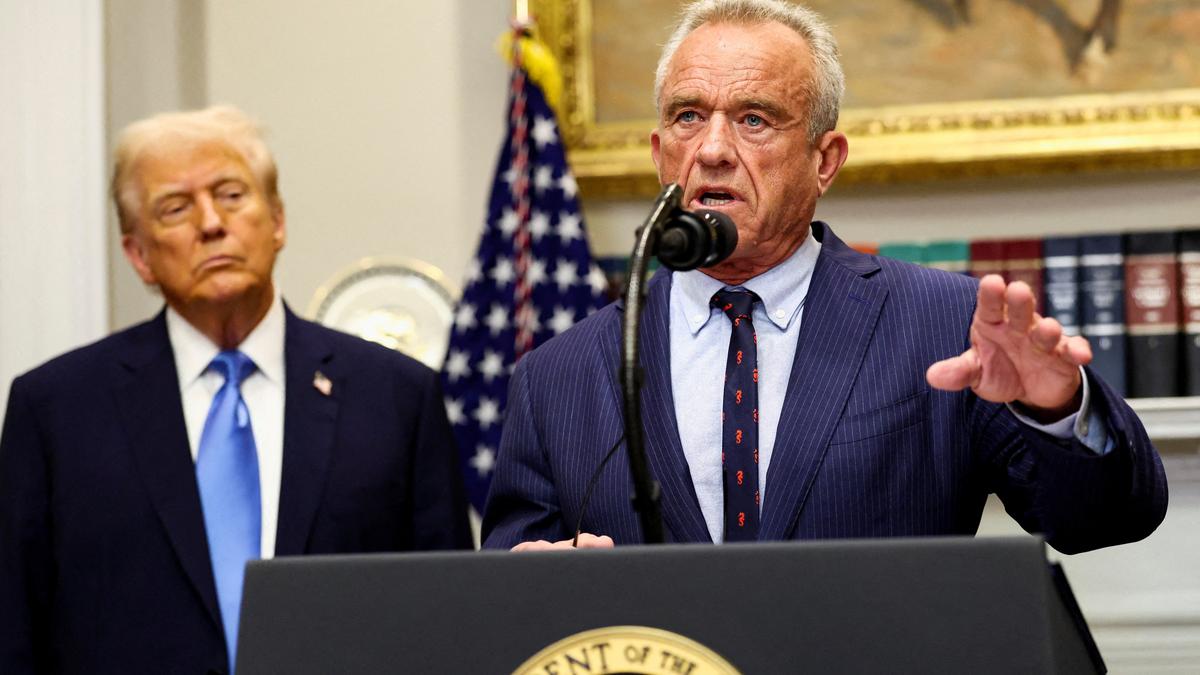
U.S.Rejects UN Declaration on Non-Communicable diseases, Citing Ideological Concerns
The United States, under Health secretary Robert F. Kennedy Jr., has rejected a United Nations political declaration aimed at tackling non-communicable diseases.Kennedy voiced concerns that the declaration promotes what he termed “destructive gender ideology” and overlooks critical health priorities. this decision has sparked debate as the World Health Organization (WHO) seeks approval from its 193 member states next month.
A Declaration Under Scrutiny
The WHO describes the declaration as an “aspiring and achievable” roadmap for preventing and controlling non-communicable diseases, while also promoting mental health and wellbeing through 2030. Though,Kennedy argues the declaration oversteps the UN’s authority and fails to address the moast pressing health challenges facing the world today.
Specifically, he stated the U.S. “cannot accept language that pushes destructive gender ideology” and opposes any claims suggesting a constitutional or international right to abortion. It’s notable to note that the 15-page text, as reviewed by AFP, does not explicitly mention either abortion rights or gender ideology.
U.S. Commitment Remains, But on Its Own Terms
Despite rejecting the declaration, Kennedy affirmed the United States’ commitment to combating chronic diseases. He emphasized that the U.S.”will walk away from the declaration, but we will never walk away from the world or our commitment to end chronic diseases.”
This stance echoes a previous move by former President Donald Trump, who initiated the U.S. withdrawal from the WHO during his second term. Trump criticized the organization’s handling of the COVID-19 pandemic.
Broader Health Policy Shifts
This rejection occurs alongside significant shifts in U.S. health policy under Kennedy’s leadership. You may recall recent actions including:
* Restricting access to COVID-19 vaccinations.
* Cutting federal funding for mRNA technology research, despite its proven life-saving potential.
* Initiating new research into debunked claims linking vaccines to autism.
* President Trump recently advised pregnant women to avoid Tylenol, citing an unproven link to autism, and suggested changes to standard infant vaccinations.
The WHO has directly refuted these claims, stating that neither Tylenol nor vaccines have been scientifically proven to cause autism.
What This Means for You
This situation highlights a growing tension between national sovereignty and international cooperation in public health. It also underscores the importance of relying on evidence-based medical information.As a concerned citizen, you should:
* Stay informed: Follow reputable sources for updates on global health initiatives.
* Consult your doctor: Discuss any health concerns with a qualified medical professional.
* Be critical of information: Evaluate the source and evidence behind health claims, especially those circulating online.
This decision by the U.S. signals a potential shift in its approach to global health governance, prioritizing national interests and ideological concerns over multilateral agreements.The long-term implications of this move remain to be seen, but it’s clear that the landscape of international health cooperation is evolving.
Published – September 27, 2025 01:23 am IST