
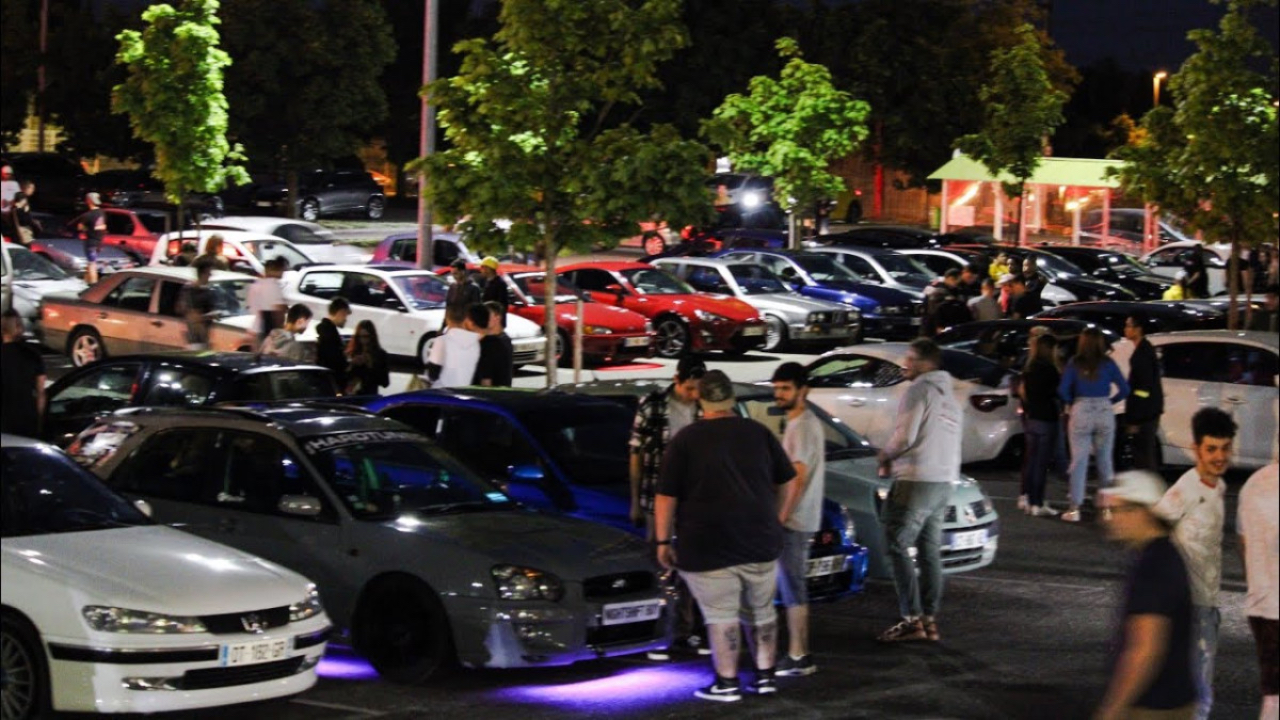
Authorities in the Rhône region of France have implemented strict security measures to prevent public disorder ahead of the May 1 long weekend. The Préfecture du Rhône has issued two separate administrative decrees to ban unauthorized musical gatherings, commonly known as free parties, and illegal automotive rallies, often referred to as “runs sauvages.”
The decision comes as a preemptive strike against activities that officials say frequently lead to significant public disturbance, noise pollution, and safety hazards. By targeting these specific types of gatherings, the prefecture aims to maintain order across the Lyon metropolitan area and the surrounding department during a period traditionally associated with increased social activity, and protests.
These bans are not isolated incidents but part of a broader trend of increased vigilance in the region. Recent weeks have seen a surge in illegal raves and automotive “rassos” (gatherings) shifting from neighboring departments into the Rhône, prompting the local government to tighten restrictions to avoid the chaos seen in previous months.
Combatting “Free Parties” and Illegal Raves
The first of the two decrees specifically targets undeclared musical gatherings. Free parties, which often involve high-powered sound systems and large crowds in secluded or industrial areas, have become a point of contention for local authorities. These events are frequently organized via encrypted messaging apps and social media, making them difficult for police to track until they are already underway.
The crackdown follows a pattern of volatility in the region. In mid-April, a wild rave party in the La Mouche district of Saint-Genis-Laval drew approximately 300 people, leading to the arrest of seven individuals according to reports from Lyon Capitale. That specific event occurred after the neighboring Isère department had already banned similar gatherings, effectively pushing the organizers toward the Rhône.
Beyond the noise, the Préfecture expresses concern over the environmental impact and the safety of participants. Illegal raves often occur in warehouses or forests without emergency access, creating dangerous conditions in the event of a fire or medical emergency. The current ban prohibits any such gathering that has not been officially declared and approved by the state.
The War on “Runs Sauvages” and Urban Rodeos
Simultaneously, the Préfecture du Rhône has moved to block illegal automotive gatherings. These “runs sauvages” often involve high-performance vehicles performing drifts, “rodeos” (stunt driving), and the use of pyrotechnics such as mortars in public spaces.
According to official directives, these gatherings are prohibited because they usually bring together a significant number of vehicles and people
, which frequently results in traffic paralysis and endangers pedestrians. The ban applies to all undeclared automotive gatherings on public roads throughout the department.
This measure follows a series of similar bans earlier in the year. For instance, the prefecture previously prohibited non-declared automotive gatherings from March 6 to March 8, 2026, specifically to prevent urban rodeos as reported by Lyon Mag. The recurring nature of these events suggests that organizers are persistently seeking “secret” locations to bypass law enforcement.
Impact and Enforcement
The enforcement of these decrees involves a coordinated effort between the National Police and the Gendarmerie. Officers have been instructed to monitor social media and intelligence channels to intercept organizers before events can be established. In March 2026, this proactive approach successfully thwarted an attempt to organize a rave party in warehouses in Oullins-Pierre-Bénite, preventing approximately 200 people from gathering per Le Progrès.
For those who violate these orders, the consequences can be severe. Organizers of illegal parties can face heavy fines and potential criminal charges for endangering others or organizing an unauthorized public event. Drivers caught in “runs sauvages” risk the immediate impounding of their vehicles and the suspension of their driver’s licenses.
Why This Matters for the May 1st Weekend
The timing of these bans is critical. May 1, Labor Day, is a public holiday in France and is traditionally a day of large-scale demonstrations and strikes. With the city of Lyon often serving as a focal point for these protests, the Préfecture cannot afford the additional strain on police resources caused by managing illegal raves or street racing.

By eliminating these “wild” gatherings, the state can concentrate its security forces on managing official protests and ensuring the safety of the general public. The intersection of holiday travel, political unrest, and the tendency for youth gatherings to escalate into violence has created a “high-tension” environment that the government is determined to mitigate.
Residents of the Rhône are advised to report any suspicious gatherings or the arrival of large numbers of vehicles in industrial or rural areas to the local authorities immediately. The Préfecture has emphasized that these measures are temporary and specifically tied to the risks associated with the holiday weekend.
Summary of Restrictions
| Activity | Status | Primary Concern |
|---|---|---|
| Undeclared Free Parties | Prohibited | Public disorder, noise, safety risks |
| Illegal Car Meets (Runs) | Prohibited | Traffic hazards, urban rodeos, noise |
| Declared Events | Permitted | Subject to prefecture approval/permits |
The next official update regarding the security posture for the May 1st holiday is expected following the weekend’s conclusion, as the Préfecture assesses the effectiveness of these preventive decrees. Residents and visitors are encouraged to follow the official social media channels of the Préfecture du Rhône for real-time traffic alerts and safety advisories.
Do you believe these preemptive bans are necessary for public safety, or do they infringe on social freedoms? Share your thoughts in the comments below.