
Surge in Respiratory Viruses Hits Infants and Toddlers: What Parents Need to Know
BERLIN — Health authorities worldwide are raising alarms over a sharp rise in respiratory infections among infants and children under four, with human parainfluenza viruses (HPIVs), rhinoviruses, and influenza A driving hospitalizations and clinic visits. While these viruses typically circulate seasonally, pediatricians and public health officials report an earlier and more intense wave this year, straining healthcare systems already grappling with post-pandemic immunity gaps.
“We’re seeing a perfect storm of factors,” said Dr. Maria Chen, a pediatric infectious disease specialist at Boston Children’s Hospital, in a recent briefing. “Young children have had less exposure to common viruses over the past few years, and their immune systems are still catching up. When you combine that with the return of pre-pandemic social mixing, the result is a surge in severe cases, particularly croup and bronchiolitis.”

The uptick is not confined to any single region. In the United States, the Centers for Disease Control and Prevention (CDC) reported a 28% increase in HPIV-associated hospitalizations among children under five during the first three months of 2026 compared to the same period in 2025. Similar trends have emerged in Europe, where the European Centre for Disease Prevention and Control (ECDC) noted a 35% rise in pediatric respiratory admissions in early 2026, with HPIVs and rhinoviruses accounting for nearly half of all cases in some countries.
For parents, the surge has translated into longer waits in emergency departments, canceled elective procedures, and a scramble for pediatric beds. “It’s not just the numbers—it’s the severity,” said Dr. Chen. “We’re seeing more children requiring oxygen support, especially those with underlying conditions like asthma or prematurity.”
Why Are These Viruses So Dangerous for Young Children?
Human parainfluenza viruses, rhinoviruses, and influenza A are all common respiratory pathogens, but their impact varies by age and immune status. For infants and toddlers, whose airways are narrower and immune systems less developed, even a “mild” infection can quickly escalate.
HPIVs, in particular, are a leading cause of croup, a condition characterized by a distinctive “barking” cough, hoarseness, and difficulty breathing. According to the CDC, HPIVs account for up to 20% of all hospitalizations for respiratory illness in children under five. The virus can also trigger bronchiolitis (inflammation of the compact airways in the lungs) and pneumonia, both of which can be life-threatening in very young patients.
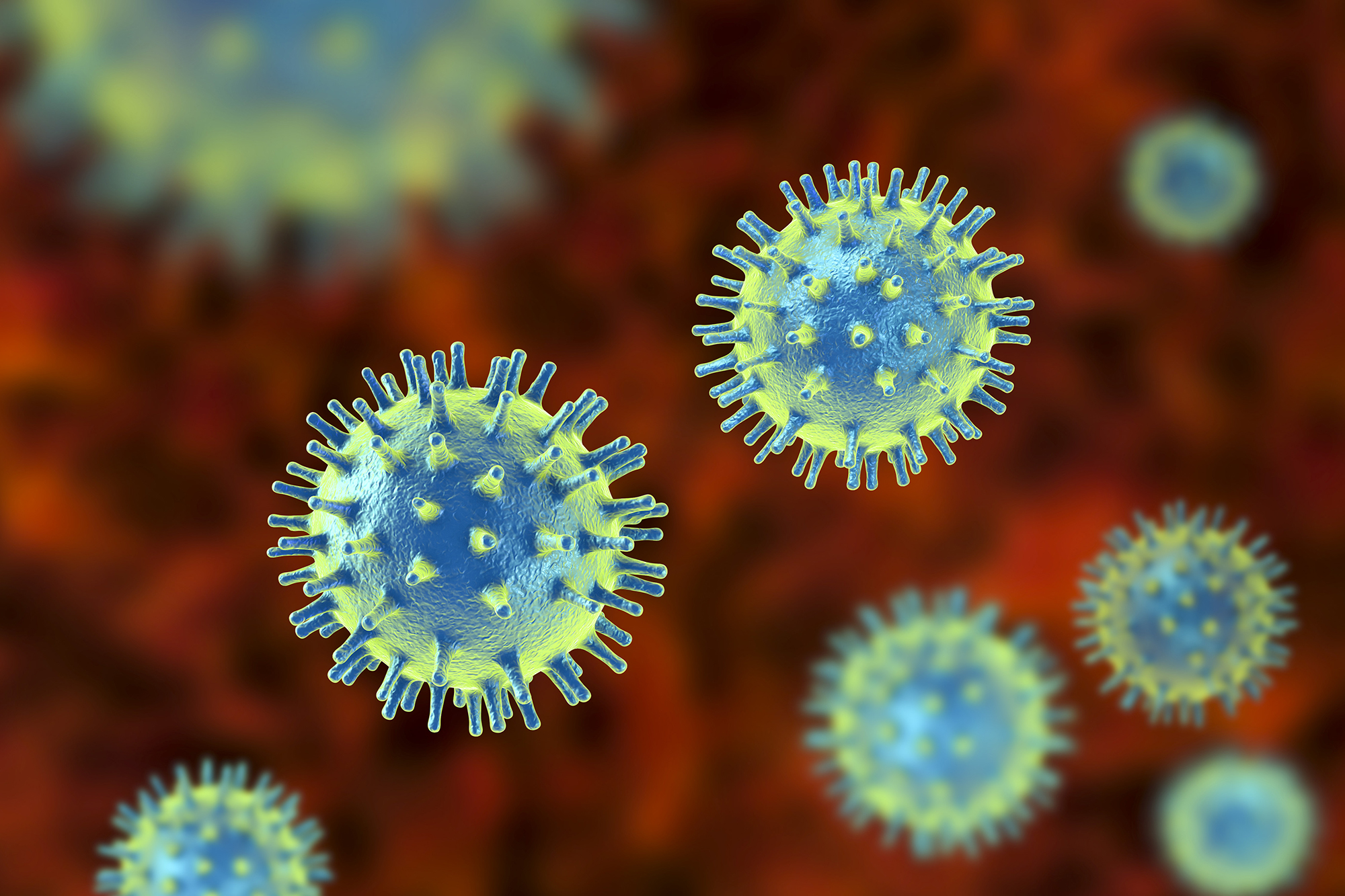
Rhinoviruses, often dismissed as the “common cold,” are the most frequent cause of upper respiratory infections in children. While usually mild, they can exacerbate asthma and lead to secondary bacterial infections like ear infections or sinusitis. Influenza A, meanwhile, is notorious for its ability to mutate rapidly, making it a persistent threat to vulnerable populations.
Symptoms to watch for in young children include:
- Persistent cough, especially a “barking” cough (a hallmark of croup)
- Wheezing or difficulty breathing
- High fever (above 38.5°C or 101.3°F) lasting more than 48 hours
- Dehydration (fewer wet diapers, dry mouth, lethargy)
- Bluish tint to the lips or skin (a sign of low oxygen levels)
Dr. Chen emphasized that parents should seek medical attention immediately if their child exhibits any of these signs, particularly if they have a history of asthma, prematurity, or other chronic conditions.
The Role of Immunity Debt
Public health experts attribute part of the current surge to what’s known as “immunity debt”—a term describing the reduced population-level immunity that results from prolonged exposure to fewer pathogens. During the COVID-19 pandemic, widespread masking, social distancing, and school closures drastically reduced the circulation of common respiratory viruses. While these measures were effective in slowing the spread of SARS-CoV-2, they also meant that many children missed out on exposure to HPIVs, rhinoviruses, and other seasonal viruses.
“Children born during or just before the pandemic are now encountering these viruses for the first time, often without the partial immunity that older siblings or peers might have built up,” explained Dr. Elena Vasquez, a pediatrician and epidemiologist at the University of Barcelona. “This is why we’re seeing such a pronounced impact in the under-four age group.”
A study published in The Lancet Respiratory Medicine in late 2025 found that children under two who had limited exposure to respiratory viruses during the pandemic were twice as likely to develop severe illness when infected post-pandemic. The study’s authors warned that the effects of immunity debt could persist for years, particularly in regions where vaccination rates for influenza and other preventable diseases have declined.
How to Protect Your Child
While We find no vaccines for HPIVs or rhinoviruses, health authorities stress that simple preventive measures can significantly reduce the risk of infection. The CDC and World Health Organization (WHO) recommend the following steps for families with young children:
- Hand hygiene: Wash hands frequently with soap and water for at least 20 seconds, especially before feeding or touching a child’s face. Alcohol-based hand sanitizers are a solid alternative when soap and water aren’t available.
- Avoid close contact: Keep infants and toddlers away from people who are sick, and teach older children to cover their coughs and sneezes with their elbow or a tissue.
- Clean and disinfect: Regularly clean high-touch surfaces like doorknobs, toys, and crib rails with a disinfectant effective against respiratory viruses.
- Vaccination: Ensure that all eligible family members are up to date on their influenza and COVID-19 vaccines. While these vaccines don’t protect against HPIVs or rhinoviruses, they can reduce the overall burden of respiratory illness and prevent co-infections that can worsen outcomes.
- Breastfeeding: For infants, breastfeeding can provide some protection against respiratory infections through the transfer of antibodies.
- Humidifiers: Using a cool-mist humidifier in a child’s room can aid ease congestion and coughing, particularly in cases of croup.
For children with asthma or other chronic conditions, Dr. Vasquez advised parents to review their child’s asthma action plan with their healthcare provider and ensure they have access to prescribed medications like inhalers or nebulizers. “Preventive care is critical,” she said. “A child with well-controlled asthma is far less likely to experience severe complications from a respiratory virus.”
What’s Next? Monitoring and Preparedness
Public health agencies are closely monitoring the situation, with many expanding surveillance systems to track the spread of respiratory viruses in real time. In the U.S., the CDC’s National Respiratory and Enteric Virus Surveillance System (NREVSS) provides weekly updates on virus activity, while the ECDC’s Respiratory Virus Dashboard offers similar data for Europe.

Hospitals in several countries have already implemented surge protocols, including opening additional pediatric units, redeploying staff, and postponing non-urgent procedures. In the U.K., the National Health Service (NHS) has issued guidance to general practitioners to prioritize same-day appointments for children under five with respiratory symptoms, while in Australia, some states have reintroduced mask mandates in healthcare settings.
For parents, the message from health authorities is clear: stay vigilant, but don’t panic. “Most children with these viruses will recover at home with supportive care,” said Dr. Chen. “The key is to recognize the warning signs early and seek help if symptoms worsen. This surge is concerning, but it’s also a reminder of how important basic preventive measures are—handwashing, vaccination, and staying home when sick can make a real difference.”
Key Takeaways for Parents
- Who’s most at risk? Infants and children under four, particularly those with asthma, prematurity, or other chronic conditions, are most vulnerable to severe illness from HPIVs, rhinoviruses, and influenza A.
- What are the red flags? Seek medical attention if your child has a barking cough, wheezing, difficulty breathing, high fever lasting more than 48 hours, or signs of dehydration.
- How can I protect my child? Practice good hand hygiene, avoid close contact with sick individuals, clean high-touch surfaces, and ensure your family is up to date on vaccinations.
- Is there a vaccine? While there are no vaccines for HPIVs or rhinoviruses, influenza and COVID-19 vaccines can help reduce the overall burden of respiratory illness.
- What’s causing the surge? A combination of immunity debt (reduced exposure during the pandemic), increased social mixing, and the natural seasonality of respiratory viruses is driving the current wave.
- Where can I find updates? Check your local health department’s website or trusted sources like the CDC or ECDC for the latest information.
The Road Ahead
As the northern hemisphere moves into late spring, health officials are cautiously optimistic that the current wave of respiratory infections may initiate to subside. However, they warn that the situation could worsen again in the fall and winter, when respiratory viruses typically peak.
“This isn’t a one-time event,” said Dr. Vasquez. “We’re likely to see recurring surges in pediatric respiratory infections over the next few years as immunity levels stabilize. The good news is that we know how to respond—vigilance, vaccination, and basic hygiene can go a long way in protecting our most vulnerable.”
The next official update from the CDC on respiratory virus activity is expected on May 1, 2026. In the meantime, parents are encouraged to stay informed through trusted health sources and to consult their pediatrician if they have concerns about their child’s symptoms.
Have you or your family been affected by the recent surge in respiratory viruses? Share your experiences in the comments below, and don’t forget to share this article with other parents who may find it helpful.
Keep reading
- Podcast: How women’s health hubs can help improve care
- Cette compote à boire est l’une des rares à être validée par un gastro-entérologue – Yahoo Life France
- Canadian Households Concerned Over Rising Broadband and Streaming Costs (newsdirectory3.com)
- Surya Bonaly’s Mother Battling Triple Cancer Amid Personal Health Struggles (archynewsy.com)