South Korea Grapples with Unprecedented Outbreak of Major Livestock Diseases
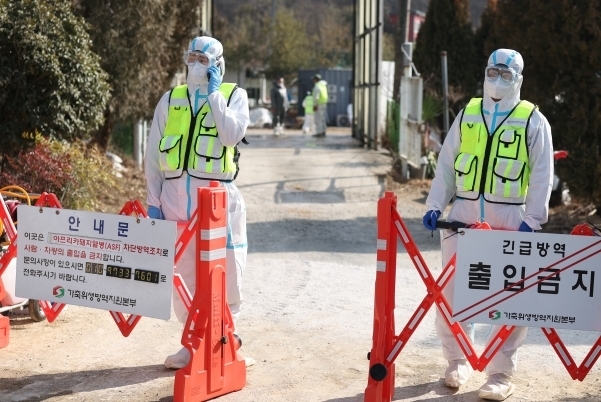
Seoul – South Korea is facing a critical situation as outbreaks of highly pathogenic avian influenza (HPAI), African swine fever (ASF), and foot-and-mouth disease (FMD) – collectively known as the “three major livestock diseases” – are occurring simultaneously, triggering a surge in culling and raising concerns about escalating agricultural prices. The concurrent spread of these diseases is unprecedented in the nation’s recent history, prompting scrutiny of the country’s animal disease prevention and control systems. The situation is particularly alarming given the already strained economic conditions and rising food costs impacting consumers.
The current crisis marks the first time in over five years that all three diseases have been actively circulating at the same time. Even as ASF was first detected in South Korea in 2019, the period between 2020 and 2023 saw no simultaneous outbreaks of all three. However, 2024 and 2025 have witnessed a resurgence, with all three diseases impacting livestock populations across the country. Experts within the veterinary science community have stated that South Korea is the only member of the Organisation for Economic Co-operation and Development (OECD) currently experiencing this simultaneous outbreak, highlighting a unique and concerning vulnerability in its animal health security.
Rising Prices and Increased Culling
The outbreaks are directly impacting the availability of key agricultural products and driving up prices for consumers. According to recent reports, the price of eggs has increased by 17% over the past year, driven by the ongoing HPAI outbreaks.
The escalating number of animals culled to contain the spread of the diseases is further exacerbating supply shortages and contributing to price increases. The Ministry of Agriculture, Food and Rural Affairs (MAFRA) reports that culling numbers have risen dramatically as authorities attempt to control the outbreaks.
The scale of the culling is significant. Reports indicate that approximately 10 million poultry and livestock have been culled in response to the outbreaks. This mass culling not only impacts the immediate supply of meat and eggs but also disrupts the livelihoods of farmers and related industries. The economic consequences are expected to be substantial, with potential ripple effects throughout the agricultural sector.
Concerns Over Biosecurity and Oversight
The simultaneous outbreaks have raised serious questions about the effectiveness of South Korea’s animal disease prevention and control measures. Critics point to potential weaknesses in biosecurity protocols, particularly regarding the monitoring and enforcement of preventative measures on farms. There have been reports of lapses in vaccination programs, such as instances where foot-and-mouth disease vaccinations were not properly administered, and concerns about insufficient blood testing for African swine fever. These failures have created vulnerabilities that have allowed the diseases to spread rapidly.
In March 2025, the Minister of Agriculture, Food and Rural Affairs, Song Mi-ryeong, unveiled a long-term plan for improving livestock disease prevention, stating the government’s commitment to minimizing outbreaks and mitigating their impact. However, the situation has worsened in the following year, with the scale of the outbreaks exceeding previous levels. This has led to renewed calls for a comprehensive review of the country’s biosecurity infrastructure and a more robust enforcement of existing regulations.
The Three Major Livestock Diseases: A Closer Gaze
Highly Pathogenic Avian Influenza (HPAI): HPAI, commonly known as bird flu, is a highly contagious viral disease that affects poultry and wild birds. The current outbreaks are primarily caused by the H5N8 strain, which is particularly virulent. The virus spreads easily through direct contact with infected birds, contaminated feed, and equipment. The World Organisation for Animal Health (WOAH) provides detailed information on HPAI, including its global distribution and prevention strategies.
African Swine Fever (ASF): ASF is a highly contagious and deadly viral disease affecting domestic and wild pigs. Unlike HPAI, there is currently no vaccine available for ASF. The virus is incredibly resilient and can survive for extended periods in the environment, making it difficult to eradicate. ASF spreads through direct contact with infected pigs, contaminated feed, and ticks. The United States Department of Agriculture (USDA) offers comprehensive resources on ASF, including its symptoms, diagnosis, and control measures.
Foot-and-Mouth Disease (FMD): FMD is a highly contagious viral disease affecting cloven-hoofed animals, including cattle, pigs, sheep, and goats. While FMD is not typically fatal to adult animals, it causes significant economic losses due to reduced productivity, trade restrictions, and the cost of control measures. The virus spreads rapidly through direct contact with infected animals, contaminated equipment, and airborne droplets.
Impact on Trade and Export
The ongoing outbreaks are also impacting South Korea’s ability to export livestock products. The country has faced restrictions on exports to several key markets due to the presence of these diseases. This is particularly concerning for the pork industry, as ASF outbreaks have led to significant disruptions in trade. The two consecutive years of outbreaks are creating significant challenges for South Korean exporters, potentially leading to long-term economic consequences.
The situation is further complicated by the fact that South Korea has been striving to increase its agricultural exports in recent years. The outbreaks threaten to undermine these efforts and damage the country’s reputation as a reliable supplier of safe and high-quality agricultural products.
Looking Ahead
The South Korean government is under increasing pressure to address the root causes of these outbreaks and strengthen its animal disease prevention and control systems. This includes investing in improved biosecurity measures, enhancing surveillance and monitoring programs, and developing more effective vaccination strategies. The government is also exploring options for providing financial assistance to farmers affected by the outbreaks.
The current crisis underscores the importance of international cooperation in addressing animal disease threats. South Korea is working with international organizations, such as the WOAH, to share information and coordinate efforts to prevent the further spread of these diseases. The long-term success of these efforts will depend on a sustained commitment to biosecurity, surveillance, and international collaboration.
The next key development to watch is the upcoming review of the national animal health strategy, scheduled for late April 2026. This review is expected to outline new measures to strengthen biosecurity protocols and improve outbreak response capabilities. We encourage readers to share their thoughts and experiences in the comments below. Please also share this article with your networks to raise awareness of this critical issue.
Keep reading